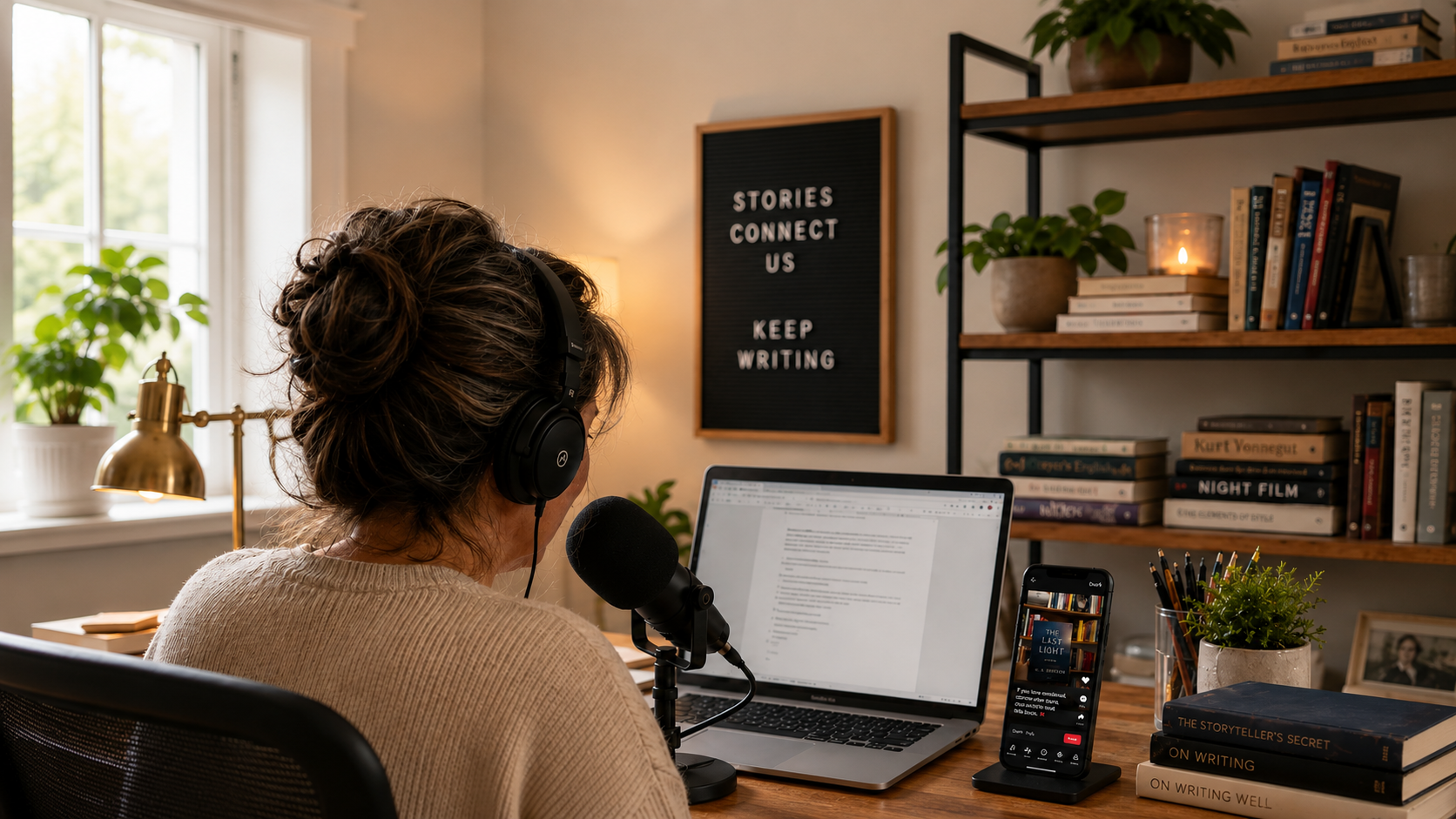
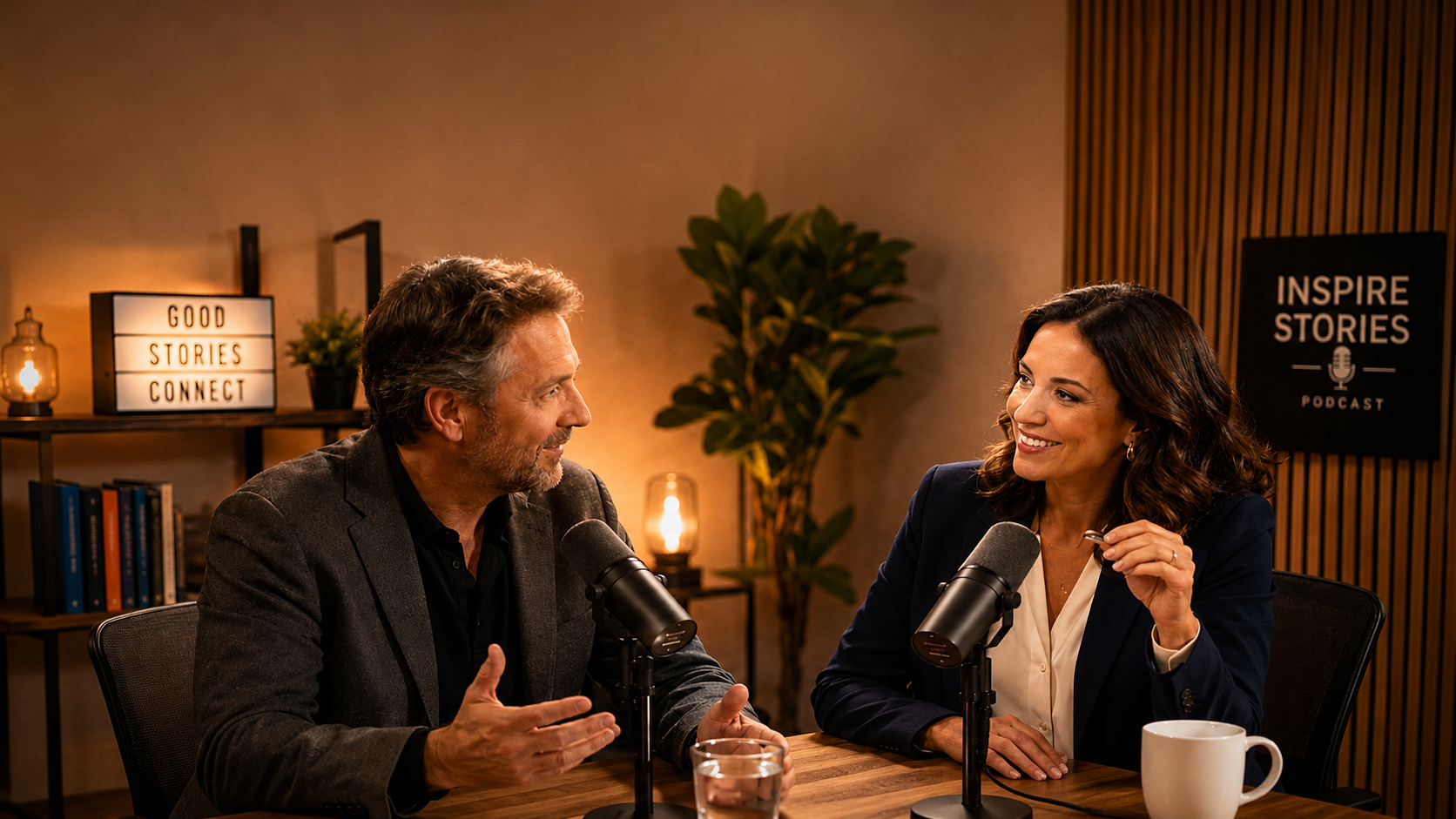
A podcast interview can put your ideas in front of a new audience, but showing up with a book and hoping for a good conversation is not preparation. If you're figuring out how to prepare for a podcast as a guest, the goal is simple: know what you want listeners to remember, make the host's job easier, and remove technical distractions before recording starts.
Key Takeaways
- Choose one clear message you want listeners to remember.
- Prepare short stories and examples instead of memorized answers.
- Study the host, audience, format, and recent episodes.
- Test your microphone, internet, camera, and room before recording.
- Plan your follow-up so the interview keeps working after it airs.
The checklist below is built for authors, but the same habits work for consultants, founders, and experts. Good preparation should make you sound more natural, not rehearsed, because you already know your core points and can focus on the conversation.
How to Prepare for a Podcast as a Guest
1. Decide What You Want the Audience to Remember
Pick one central idea connected to your book, expertise, or current work. That keeps your answers from turning into a tour of everything you know. Strong podcast guesting usually starts with a clear listener takeaway, because a focused message is easier for the host to explore and easier for the audience to remember.
2. Review the Show Before You Record
Listen to at least one recent episode and skim several titles or descriptions. Notice the host's pace, recurring themes, interview length, and whether conversations lean tactical, personal, or story-driven. If your appearance came from a podcast guest pitch, revisit what you promised so your interview matches the angle that got you booked.
3. Define Three Talking Points
Write down three points that support your main message, then give each one a concrete example. These aren't scripts. They're guardrails that help you answer different questions without wandering. Your broader podcast marketing strategy can shape which points deserve emphasis, especially if the interview supports a book launch, newsletter, or speaking goal.
Related: How to Build an Author Platform From Zero Using Podcast Guesting as Your Foundation

4. Prepare Stories, Numbers, and Examples
Part of how to prepare for a podcast as a guest is deciding which proof points make your ideas concrete. Prepare two or three short stories, useful numbers you can verify, and examples you can explain without extra context. The American Psychological Association's guidance on interview preparation also emphasizes planning for the format and communicating clearly with media audiences.
5. Anticipate the Questions You Are Likely to Get
Make a list of likely interview questions, including one or two uncomfortable ones. You don't need polished speeches for each answer. A few notes on your strongest response, example, or boundary are enough. University of Illinois interviewing tips can also help you think through question structure and follow-up before the conversation begins.
6. Prepare a Short Introduction for Yourself
Hosts often ask for a bio, but a long author biography can slow the opening. Prepare a two-sentence version that explains what you do and why it matters to this audience. Send the full bio separately if requested, while keeping the spoken version easy to understand.
If you want a practical system for turning interviews into business opportunities, Mic to Money is a no-fluff playbook for founders, consultants, and creators who want to convert podcast appearances into qualified leads and signed clients on repeat.

7. Test Your Recording Setup
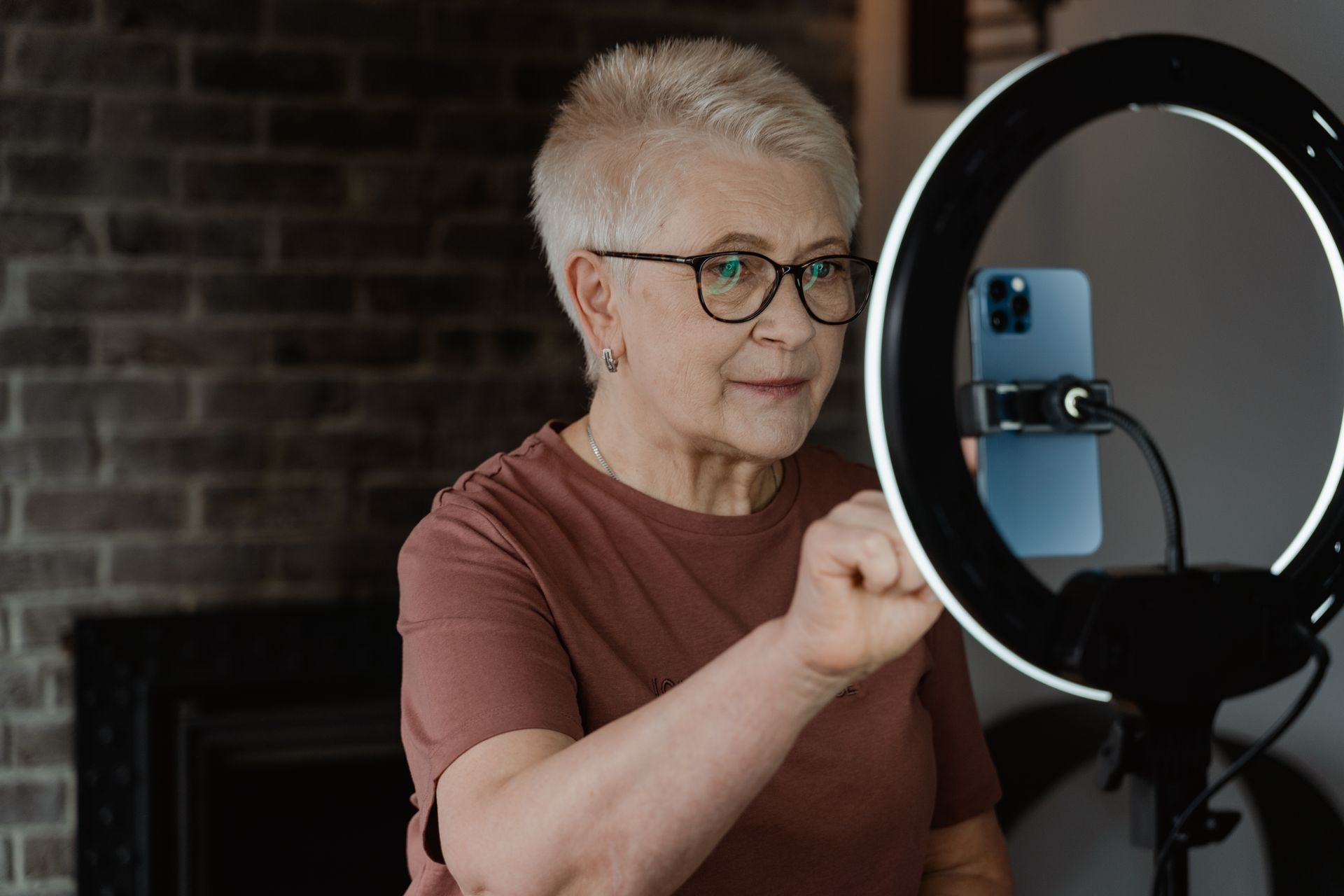
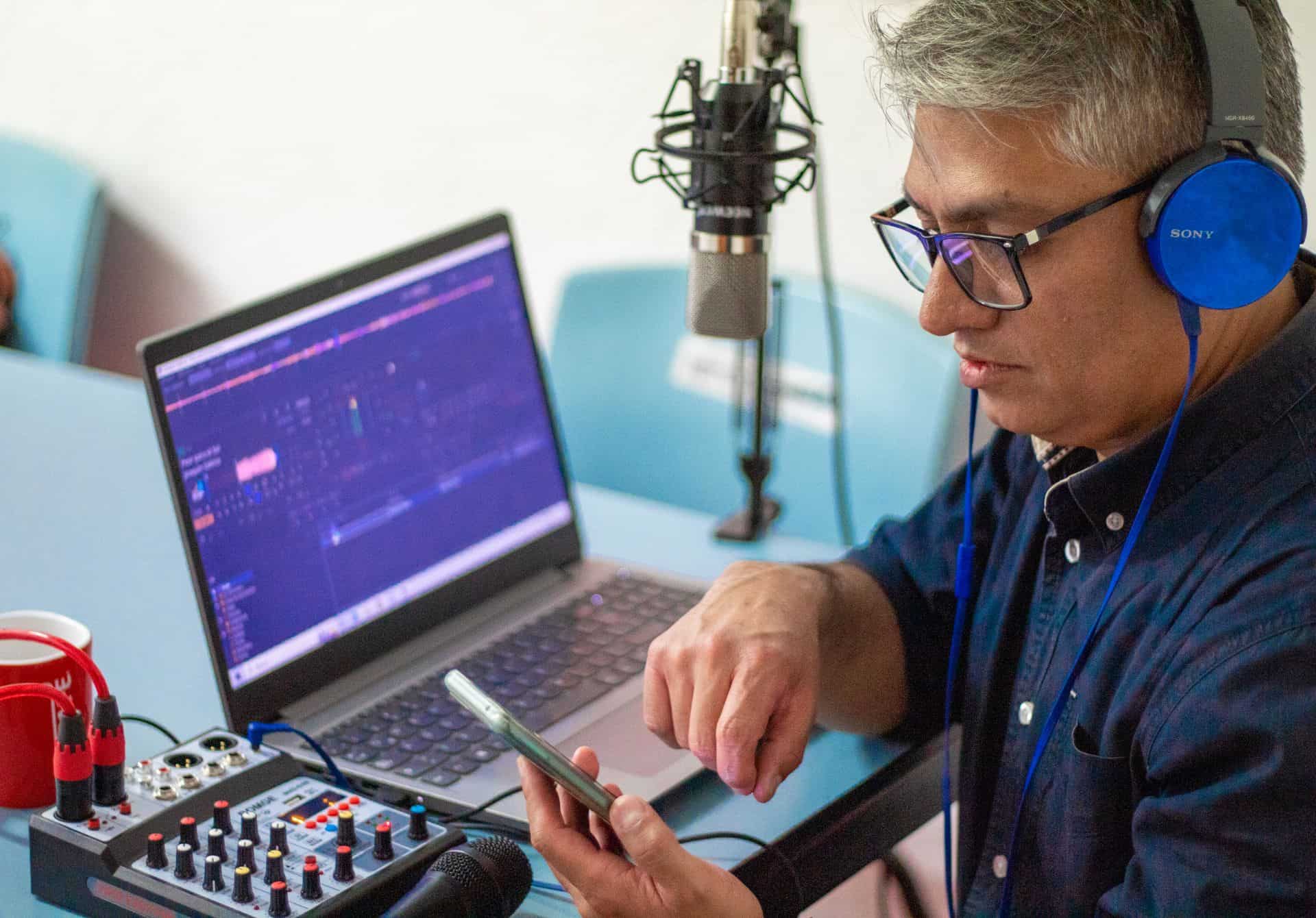
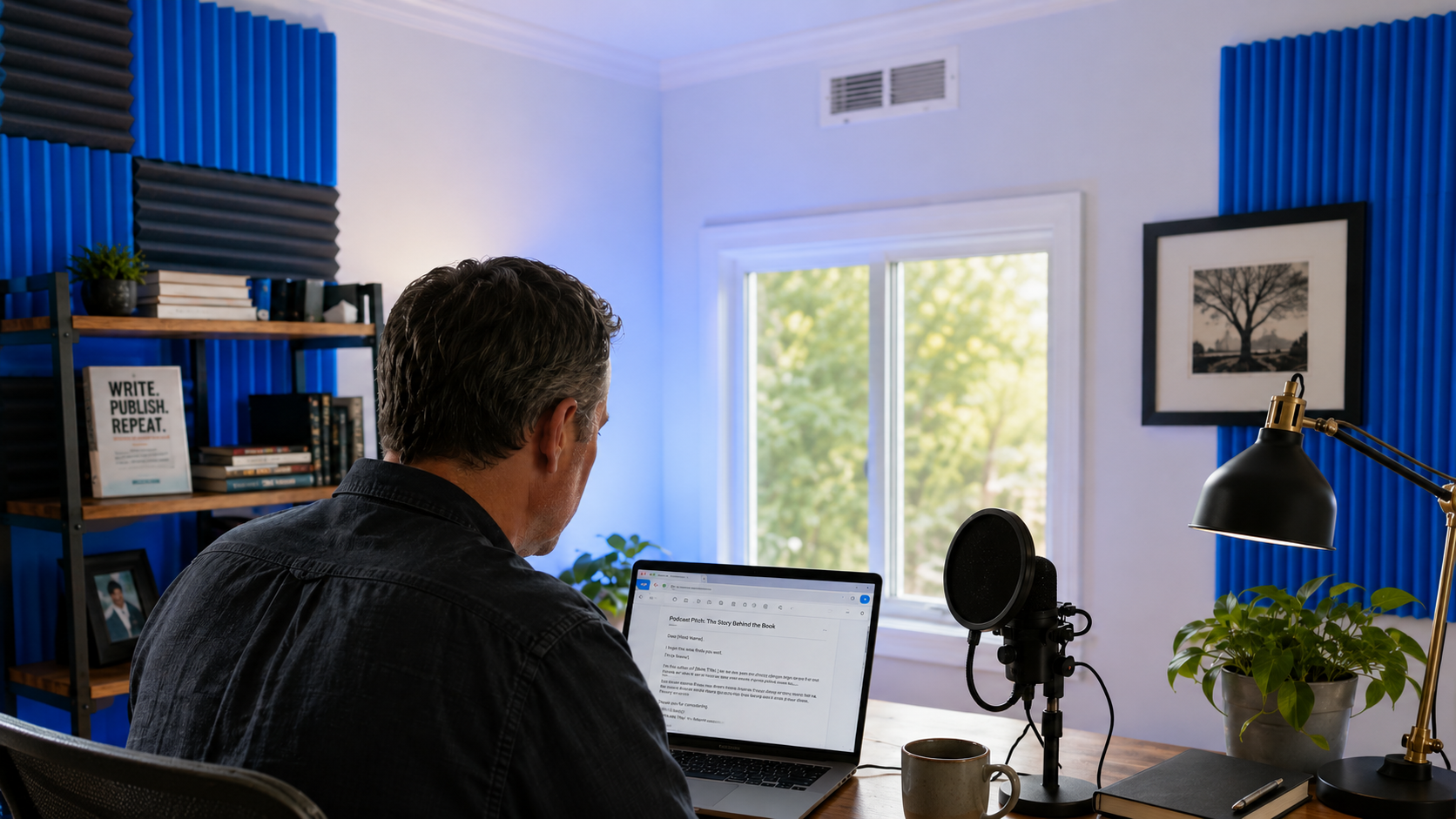
Check your microphone, headphones, camera, browser permissions, internet connection, and backup power if you use it. Your recording environment matters too. A quiet room with soft furnishings can reduce echo, while the University of Toronto's recording guidance offers practical setup considerations for better audio.
8. Remove Visual and Audio Distractions
Silence notifications, close unnecessary tabs, move your phone away from the microphone, and tell people nearby when you'll be recording. If video is included, check the frame and background before the call. Small distractions can pull attention away from a strong answer.
Related: What Authors Actually Gain From Podcast Appearances (Beyond Book Sales)
9. Keep Your Book and Key Details Within Reach
Have the book, title spelling, website, social handle, and any dates you may mention nearby. Keep notes short enough to scan without sounding like you're reading. A one-page reference sheet is usually more useful than several pages of prepared copy.
10. Practice Out Loud, Not Just in Your Head
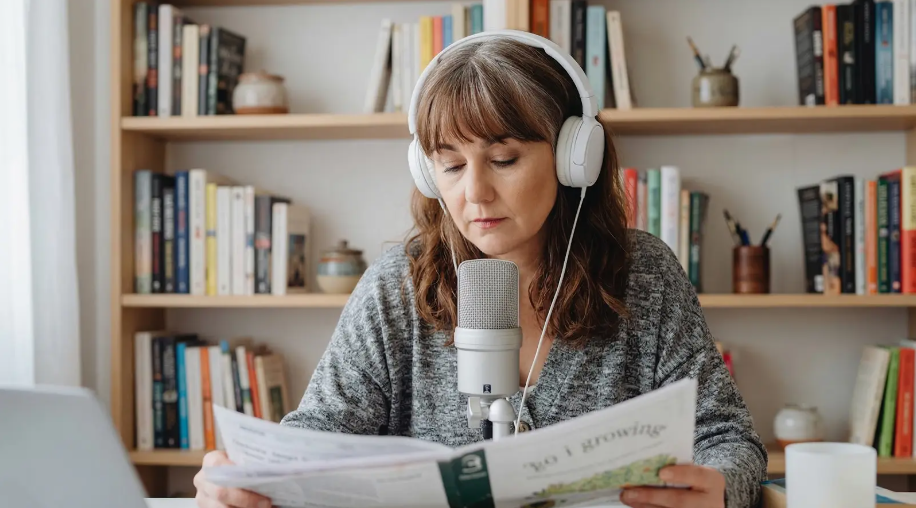
Another useful part of how to prepare for a podcast as a guest is hearing your answers before the real interview. Say your introduction and main stories out loud once or twice. You'll quickly notice where sentences are too long, explanations need context, or a story takes five minutes to reach the point.
11. Decide on One Natural Call to Action
Choose one next step for interested listeners, such as your book page, newsletter, or website. Avoid stacking several URLs and offers at the end. A single destination is easier to say, remember, and include in show notes.
12. Plan What You Will Do After Recording
Thank the host, send any promised links promptly, and note the expected publication date if one is provided. When the episode goes live, share it in a way that adds context instead of posting the link alone. A short takeaway, quote, or lesson gives your existing audience a reason to listen.
If you would rather hand off the operational side, FTS podcast management can support the full process from guest sourcing and production to editing and publishing, so the interview workflow doesn't depend on you managing every step yourself.
Conclusion
Knowing how to prepare for a podcast as a guest comes down to clarity, evidence, and a clean recording setup. Know your message, prepare a few stories, test the technology, and keep the listener in mind. When those pieces are handled before the call, you can spend the interview responding to the host instead of searching for your next point.