

Most author newsletters die quietly within a few months. Not from a lack of subscribers, but from a handful of decisions the author never made deliberately before hitting send the first time: what format to use, how often to write, and what the newsletter is actually supposed to do for the reader. Getting those decisions right before your first issue matters more than any subject line trick or growth hack you add later.

Pick a Cadence You Can Actually Sustain
The single biggest predictor of whether a newsletter survives is not how good the first few issues are. It is whether the format matches a pace the author can actually keep up. BJ Fogg's behavior model, developed at Stanford's Behavior Design Lab, found that consistency matters more than scale when building any lasting habit. Fogg's research is about behavior change broadly rather than newsletters specifically, but the same logic applies well to one: a format you can repeat indefinitely beats an ambitious one that quietly stops arriving after two months.
James Clear's 3-2-1 Thursday newsletter is a real example of this in practice. He has sent the same three-idea, two-quote, one-question format every single Thursday for years, and the newsletter now reaches over three million subscribers. Ryan Holiday's Daily Stoic runs at an even higher frequency, a roughly 500-word email every morning, and reporting on the newsletter's growth has documented a 40 percent open rate and 3 percent click rate held steady for six consecutive years, a sign that a narrow, sustainable format can hold an audience's attention indefinitely rather than fading after the initial novelty wears off. Neither format is inherently better. What both share is a shape simple enough for the author to keep producing without burning out.
Before writing a single issue, decide honestly how much time you can give this every week or month, and build the format around that number rather than the other way around. If that means ten curated links instead of an original essay, that is a completely legitimate choice as long as it is one you can repeat indefinitely.
What Your First Email Actually Needs to Do
The welcome email is the one message nearly every subscriber actually reads, since it arrives while their interest is at its peak. It has one job: set expectations. Tell a new subscriber what they are going to get, how often, and why it is worth their attention, in plain language rather than a long introduction about your writing career. First impressions form fast, and Nielsen Norman Group's research on how quickly users form judgments applies just as much to an inbox as it does to a webpage: a subscriber decides whether this newsletter is worth their time within the first few seconds of opening it, which means your welcome email is doing more work than any issue that follows.

Building the List Without Waiting for a Big Following
You do not need an existing audience to start collecting subscribers. A dedicated signup page with a single, specific offer, a free chapter, a short story, or early access to your next release, converts far better than a generic "join my newsletter" link buried on a homepage. If you are building this signup around traffic from podcast appearances specifically, our post on the author website template for converting podcast listeners into subscribers covers exactly how to build a page for that purpose.
Making It a Habit, Not Just a Send
A newsletter that shows up sporadically never becomes something readers look forward to, because there is no rhythm for them to anticipate. The Ehrenberg-Bass Institute for Marketing Science has studied what happens when a brand's presence goes quiet, and found that recognition and recall tend to fade without continued reinforcement. That research is about advertising and brand presence broadly, not newsletters specifically, but the same basic mechanism plausibly applies here too: a reader who gets your email every Thursday for six months starts to expect it, and that expectation is part of what turns an ordinary email into something a reader notices when it stops arriving. For real examples of what that consistency looks like in practice, our post on author newsletter examples worth stealing from breaks down three newsletters that built exactly this kind of habit.
Where Podcast Appearances Fit Into List Growth
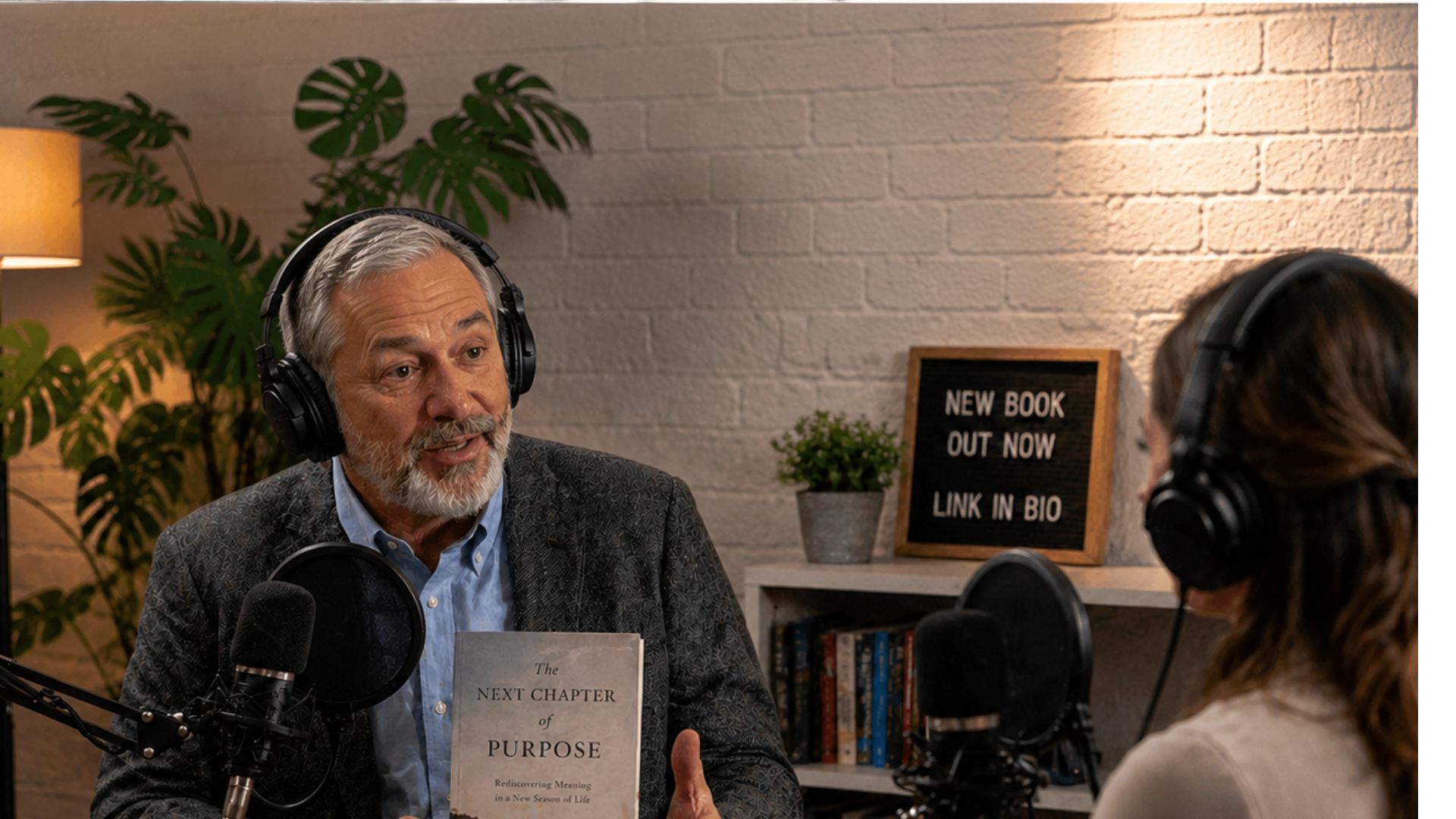
Podcast guesting is one of the more reliable ways to grow a newsletter list, since a listener who just spent an hour hearing you talk already has more context and trust than someone finding your signup cold. If podcast guesting is part of your marketing, download the free Mic to Money ebook to learn how to turn appearances into a repeatable pipeline of subscribers, not just a one-time bump in traffic.
Keep It You
None of this works if the newsletter reads like it was written by nobody in particular. Whatever format and cadence you settle on, the voice inside it should sound like the person readers signed up to hear from. Want your newsletter to sound like you instead of another generic author update? Creating Authentic Content in the Age of AI shows you how to build a consistent voice across your content. For the fuller picture of how a newsletter fits into a complete marketing plan, our book marketing ideas guide covers the rest.
FAQ
How often should I send my author newsletter? Whatever cadence you can sustain for at least six months without burning out. Weekly is common, but monthly is a legitimate choice if that is what you can realistically keep up.
Do I need a lead magnet to start collecting subscribers? It helps, but it is not required. A clear, specific reason to sign up, even something as simple as "get notified when my next book releases," works better than no offer at all.
What should my very first issue say? Set expectations. Explain what subscribers will get, how often, and why it is worth reading, without spending the whole email on your background or credentials.
Is it too late to start a newsletter if I already have a backlist? No. A newsletter built now still benefits existing books, since it gives you a direct channel to remind readers those books exist, not just future releases.
Ready to start a newsletter readers actually notice when it lands in their inbox? Pick the cadence you can sustain for six months, then write your first welcome email around exactly that promise.






















.jpg)

.jpg)
.jpg)
.jpg)
.jpg)
.jpg)












.webp)
.webp)

.webp)





.webp)



.jpg)
.webp)