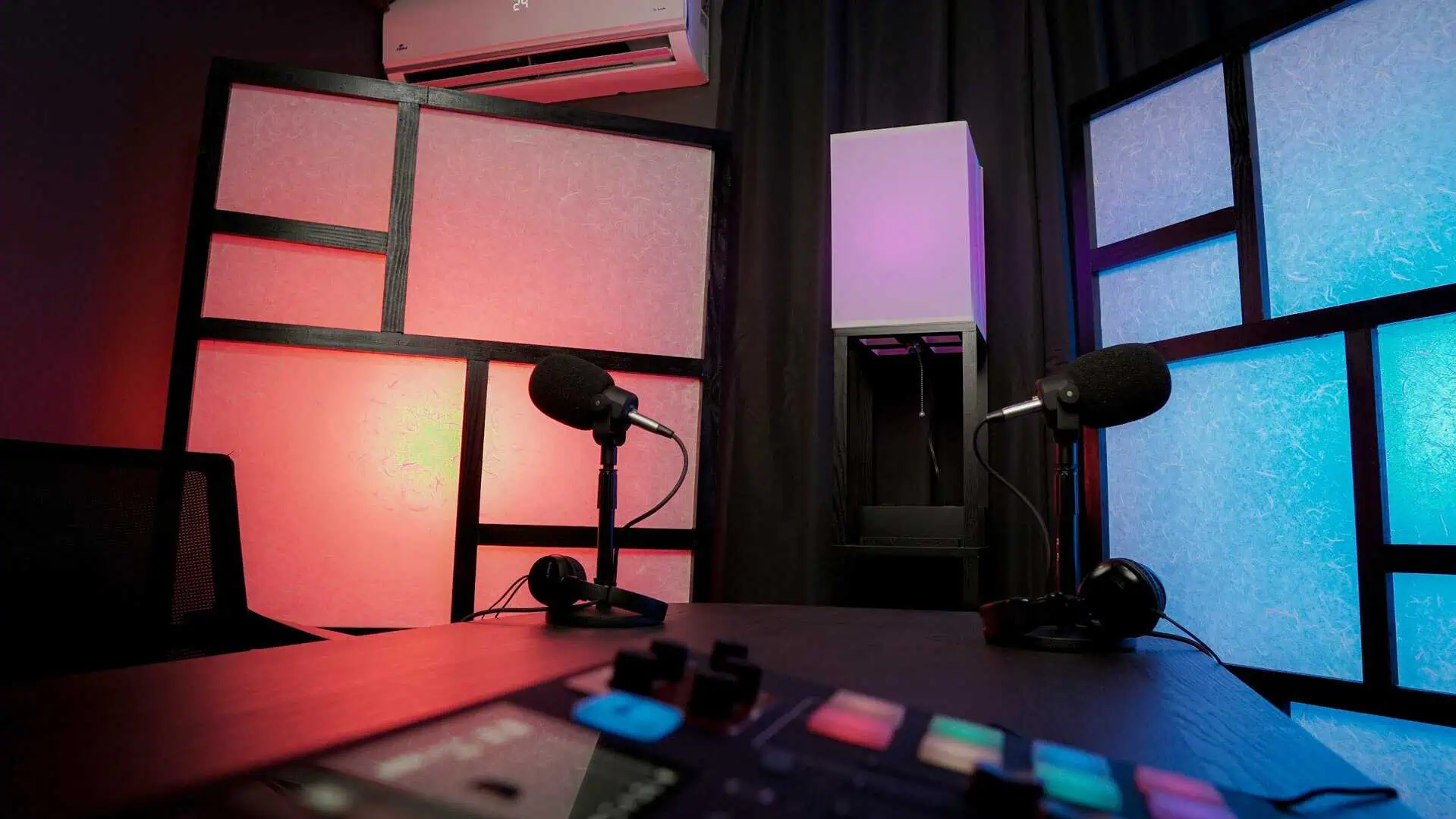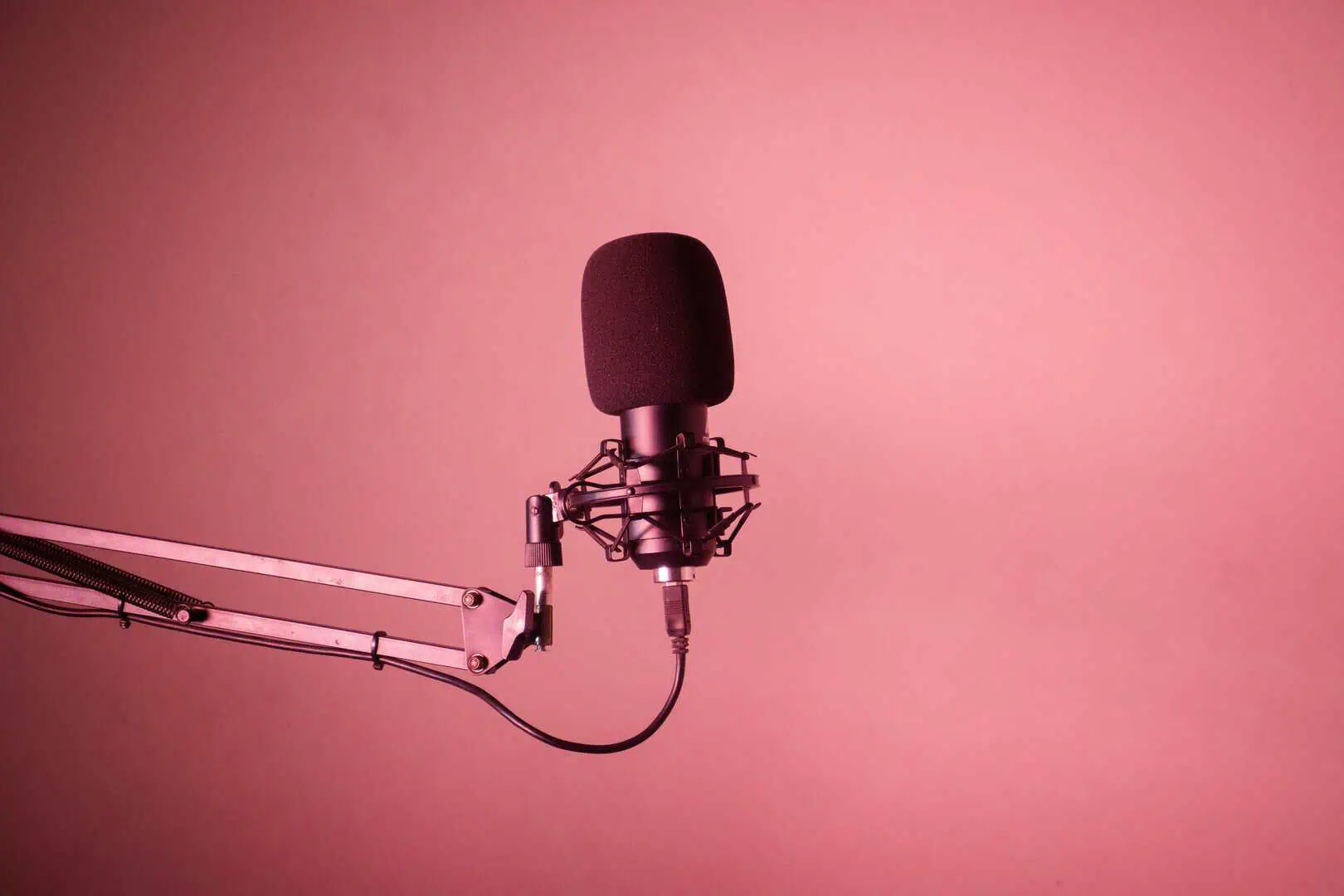

Starting a podcast doesn't have to feel overwhelming. Whether you're building a brand, sharing your expertise, or telling stories that connect with people, recording your first episode is the biggest step. The process is simpler than most beginners expect, and with the right setup, you can produce quality audio without a professional studio. This guide breaks down exactly what you need to get started, from choosing your gear to publishing your first episode.
Key Takeaways
- Good podcast audio starts with choosing the right microphone and keeping your recording environment quiet.
- Free and affordable recording software can deliver professional results without a steep learning curve.
- A quiet room with soft furnishings works just as well as a treated studio for most podcasters.
- Remote recording tools make it easy to bring on guests from anywhere in the world.
- Editing, publishing, and promoting your episodes are all part of a repeatable workflow you can build over time.
Start With the Right Equipment
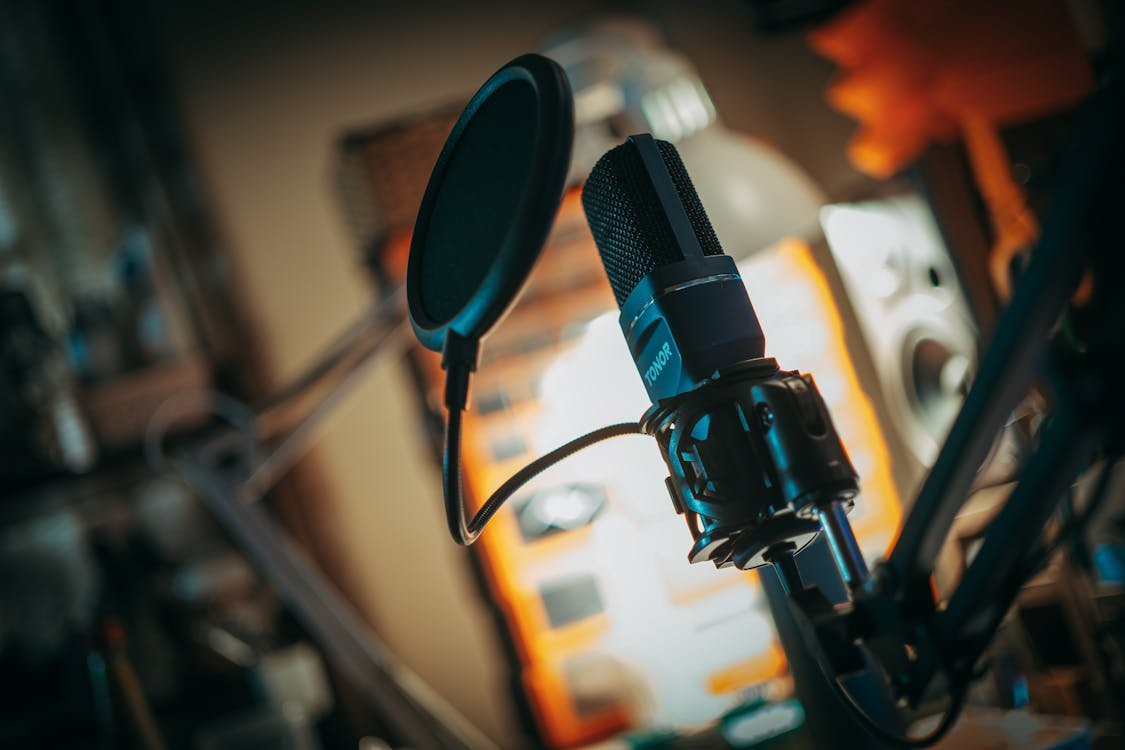
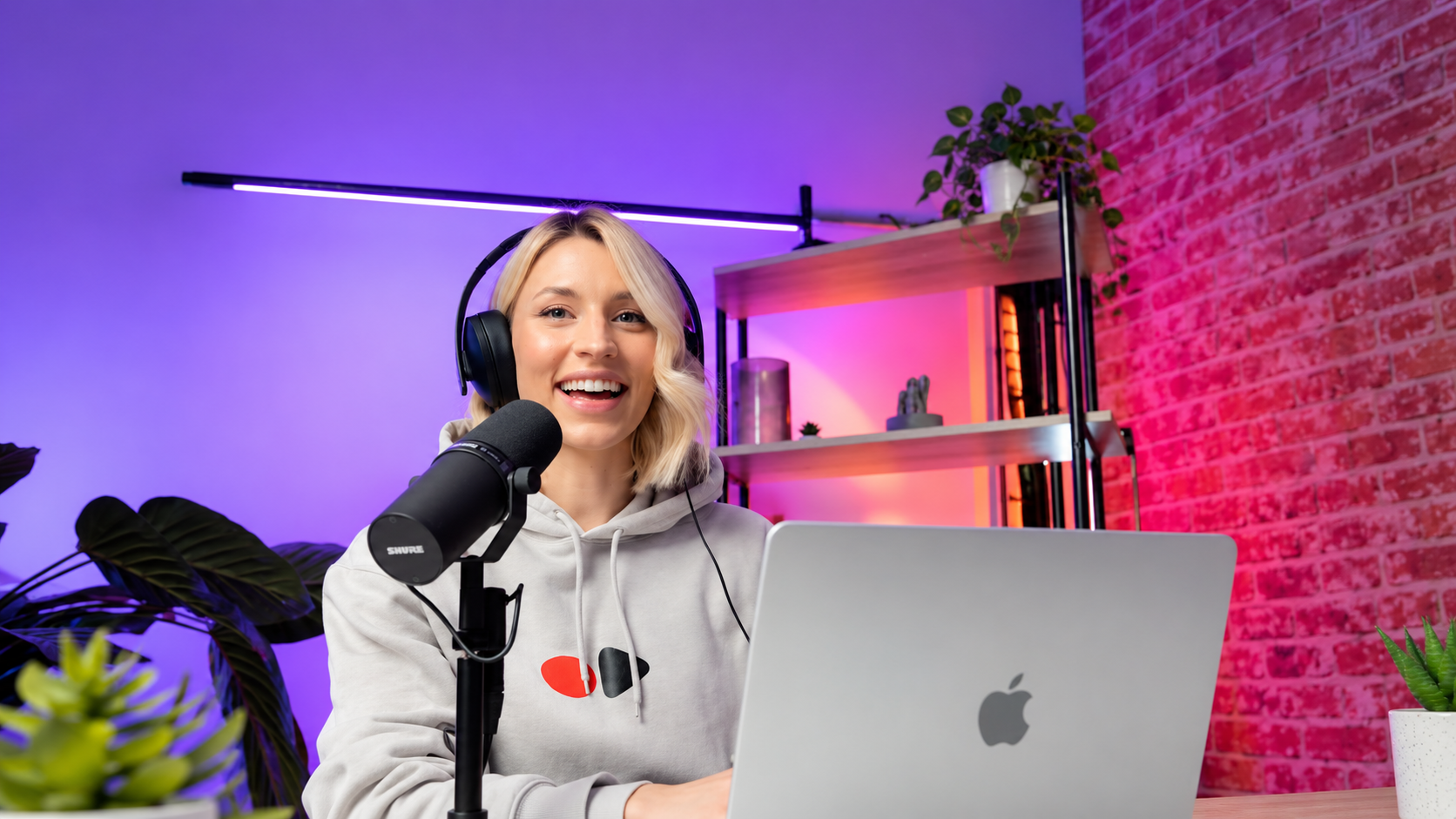
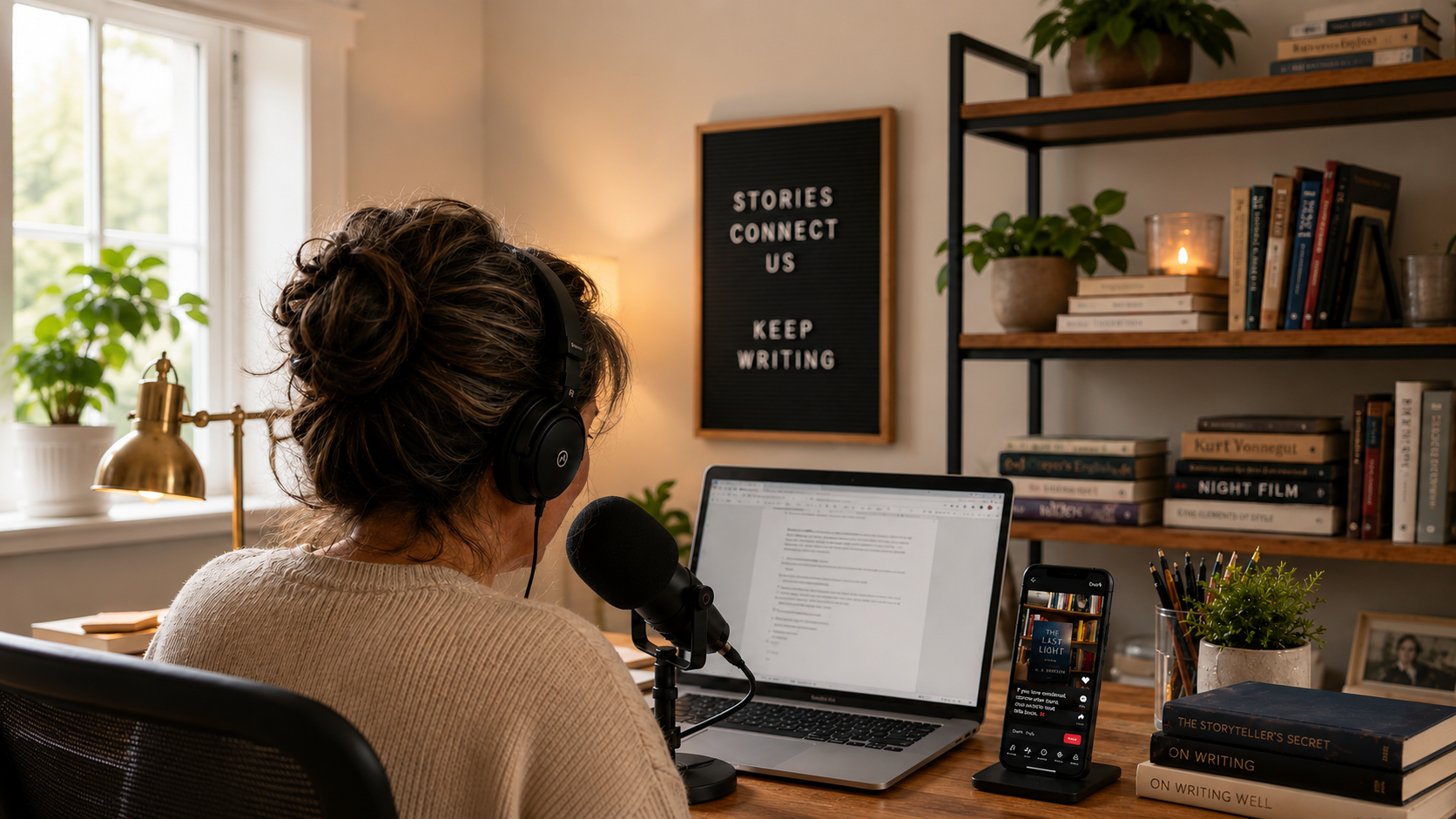
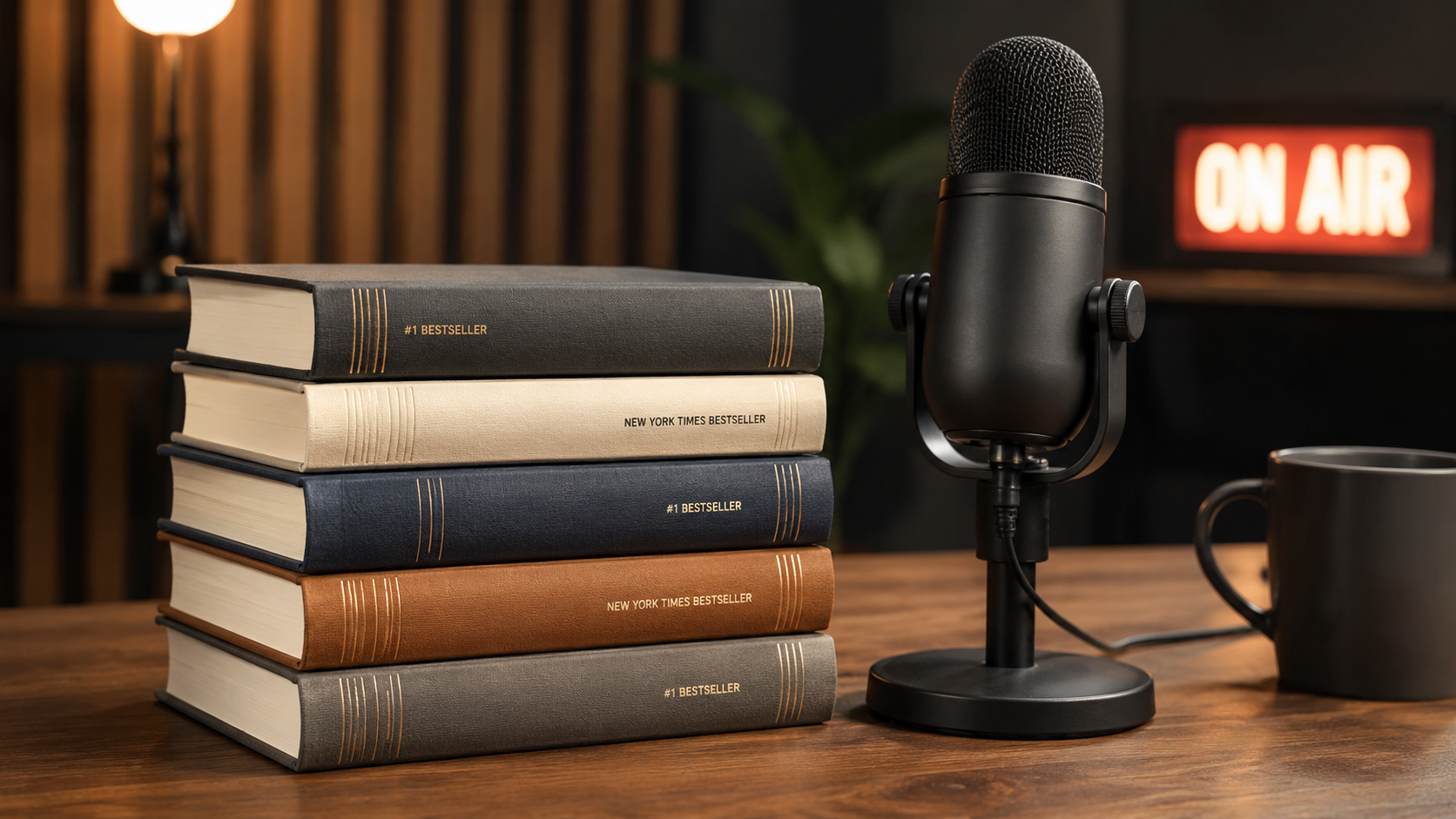
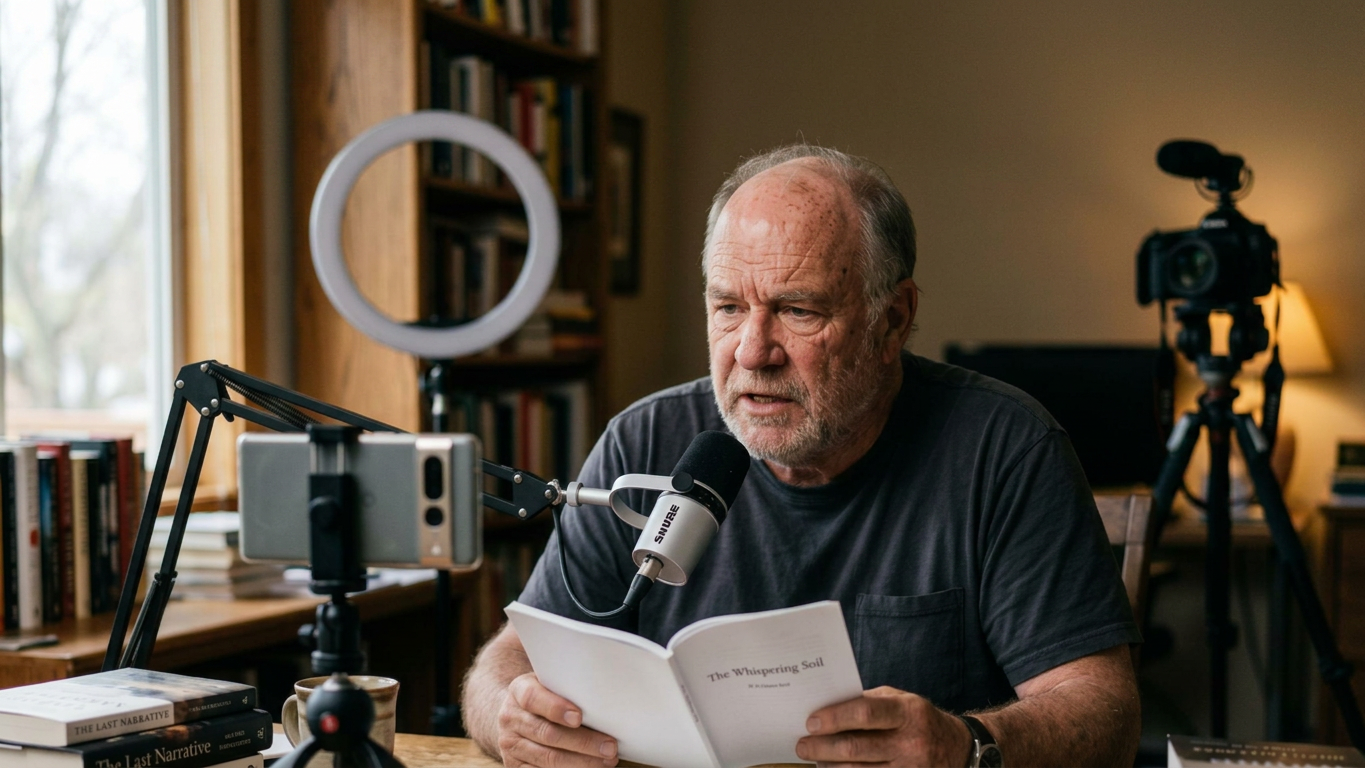
Skip expensive gear; a solid USB microphone is best for beginners, plugging straight into your computer. Brands like Audio-Technica, Rode, and Blue offer quality, affordable options. Also, use closed-back headphones to monitor audio and catch issues instantly.
Pop filters and boom arms are nice additions, but they're not required right away. If you want a deeper look at what to buy first, reviewing podcast recording equipment basics can help you figure out what fits your budget and goals. Start lean, upgrade when your show grows.
Pick Your Recording Software
Your DAW (digital audio workstation) integrates recording, editing, music, and export. Beginners can use free options like Audacity or GarageBand; professionals may prefer paid tools like Hindenburg or Adobe Audition for greater control. Choose and master comfortable software to streamline your workflow.
Podcast Management Services for Business Owners
Set Up Your Recording Space
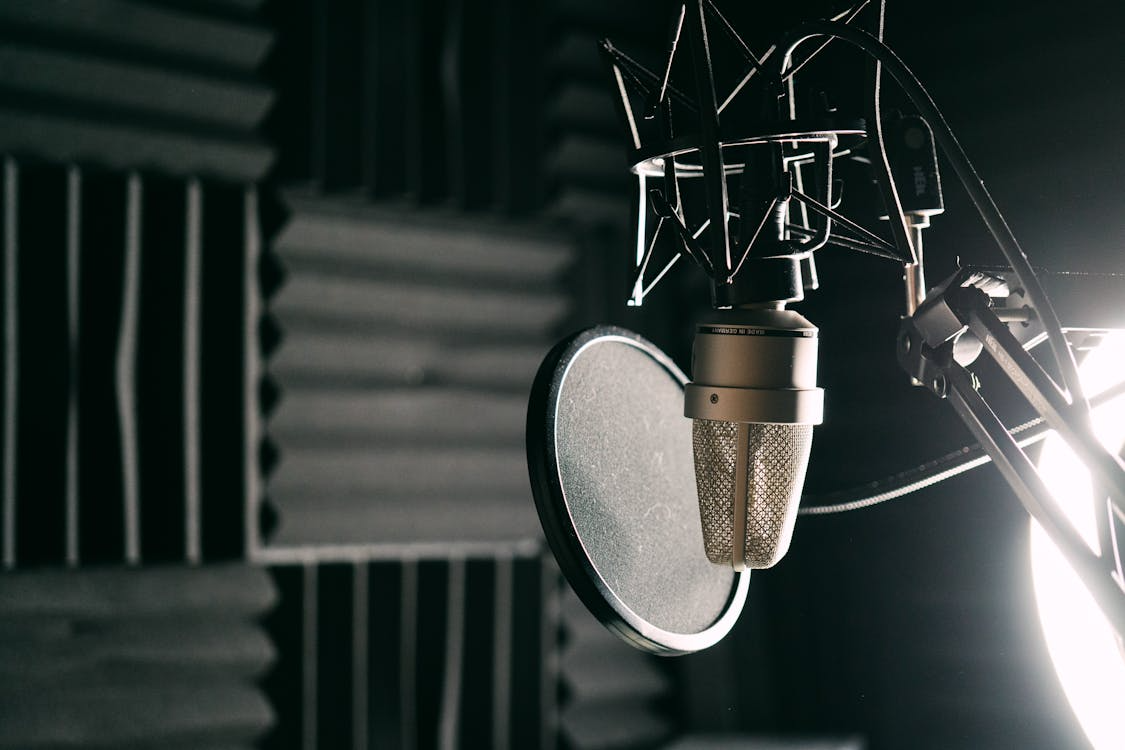
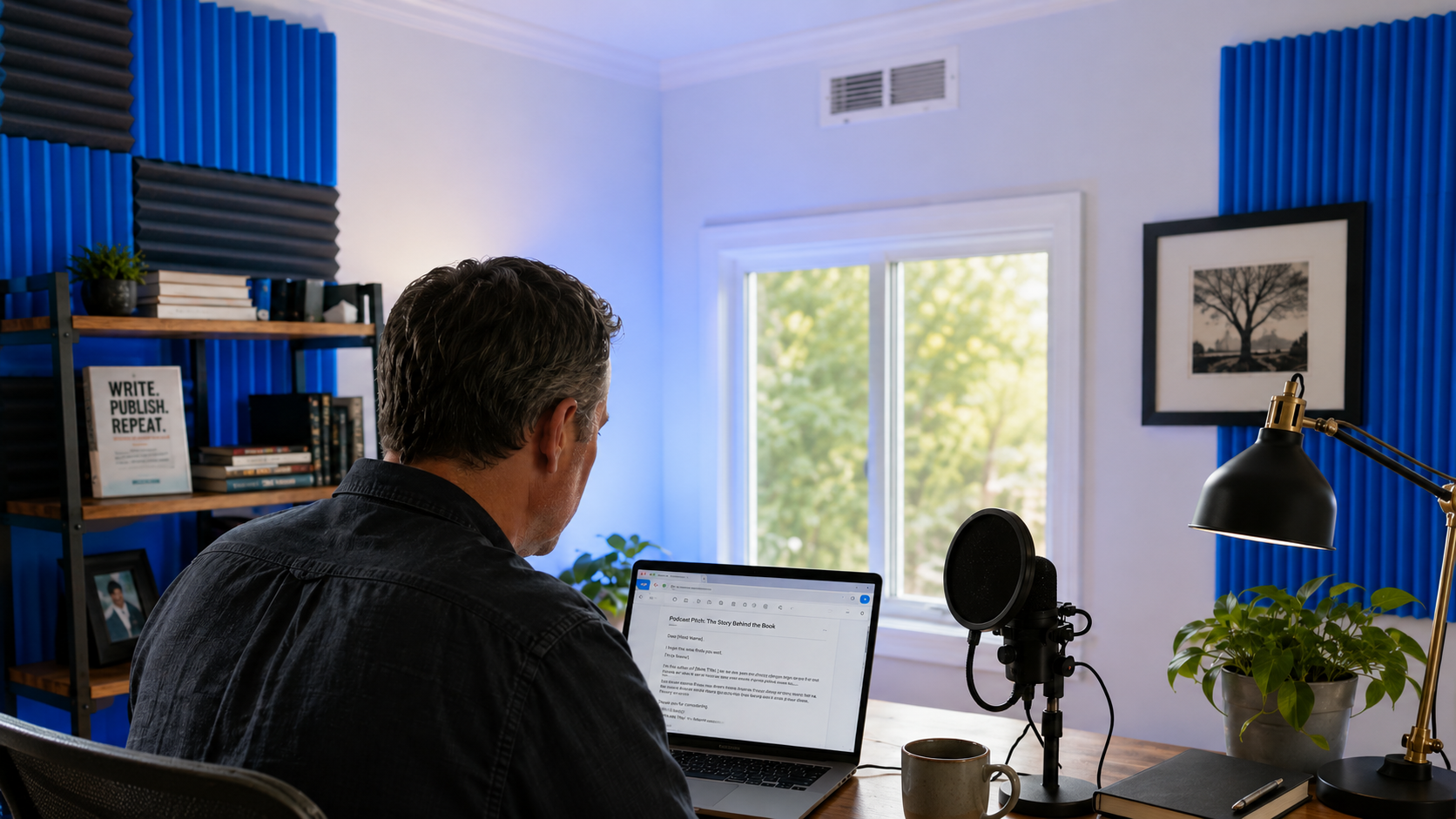
Room acoustics are often more crucial than the mic. Avoid hard surfaces, open windows, and echo. Opt for small, carpeted rooms with soft furniture, or a clothes-filled closet, as fabric absorbs sound. If room control is limited, aim the mic away from walls/windows and record when it's quiet. Hanging a blanket behind the mic also significantly helps sound quality.
Recording Solo Episodes
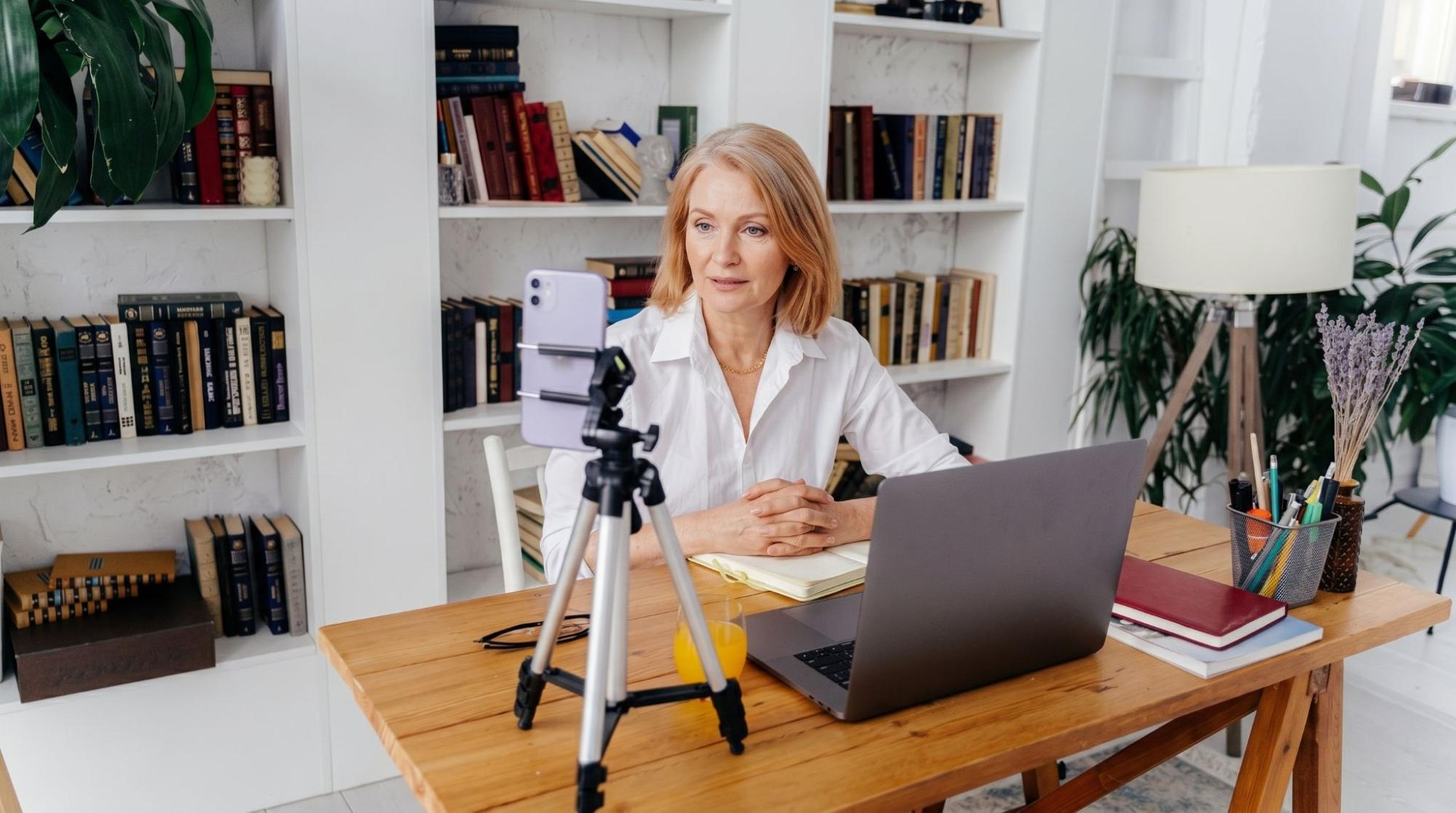
Solo recording is the easiest format to start with because you only need to worry about your own voice. Hit record, talk through your outline, and don't stress about getting it perfect on the first take. Most podcasters record in sections and stitch them together during editing, which takes the pressure off.
If you're not sure where to begin with your format or flow, reading up on how to record a podcast from an experienced source can give you a framework to build on. The most important thing is consistency. Pick a structure, practice it, and your delivery will improve with every episode.
Recording With Remote Guests
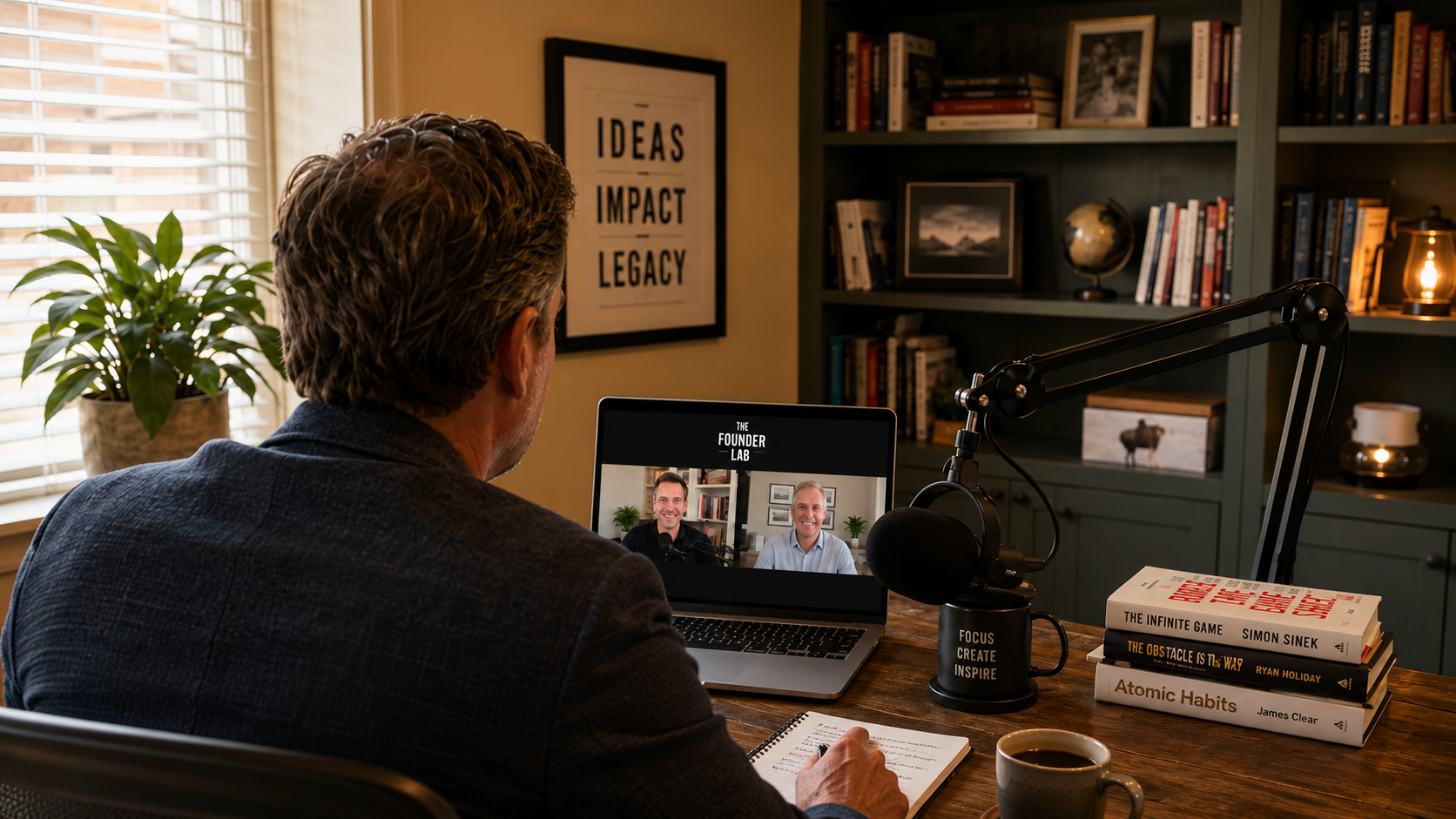
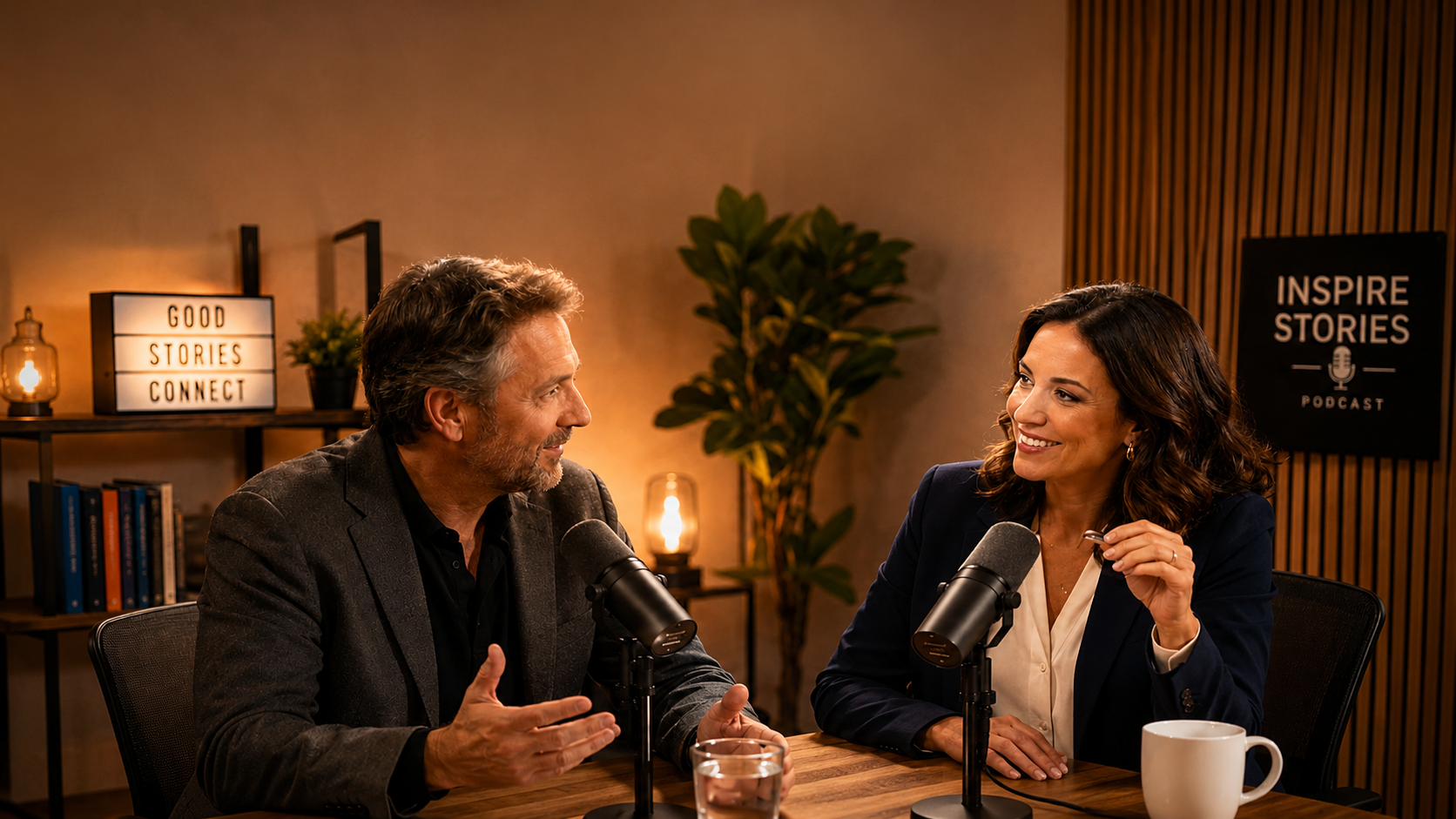
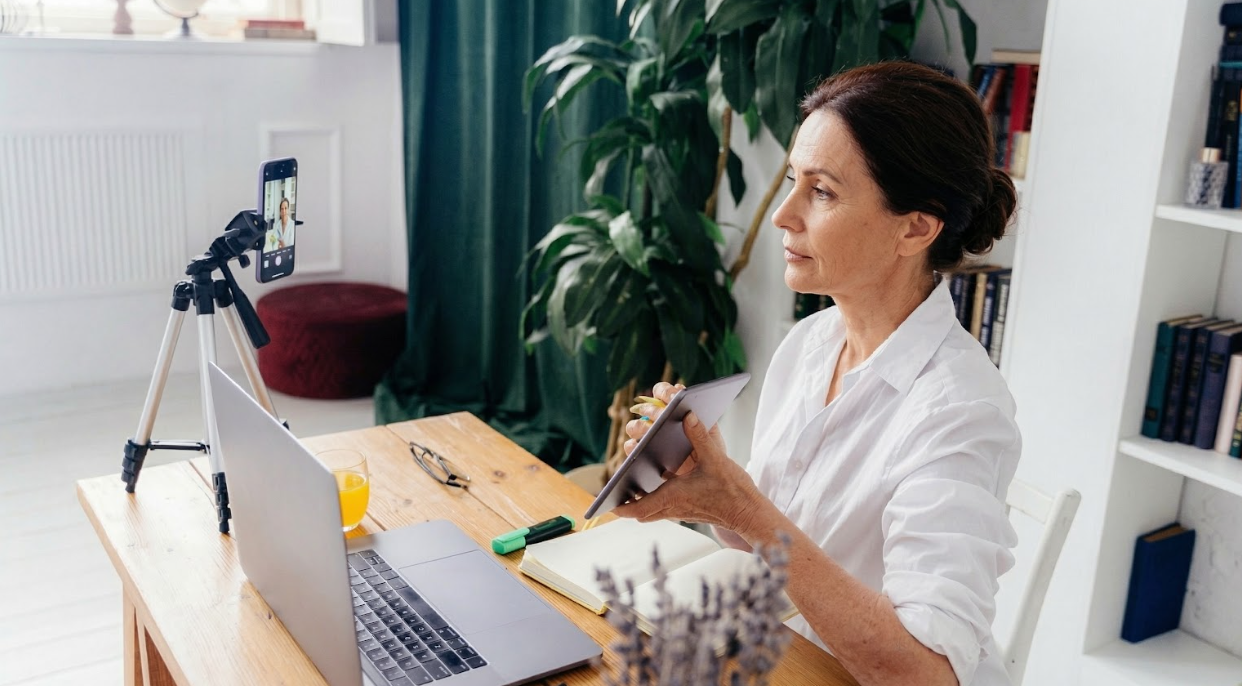
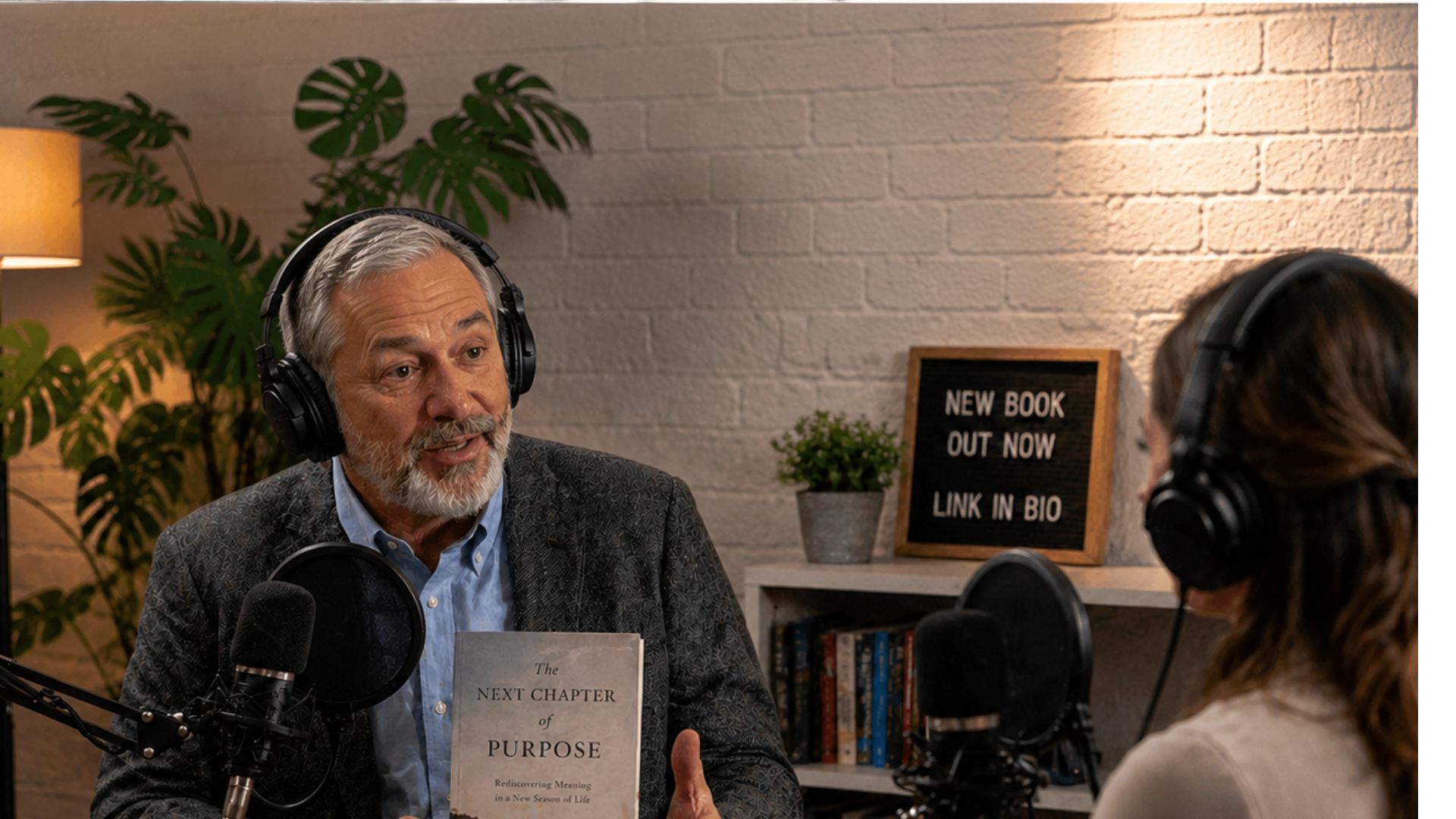
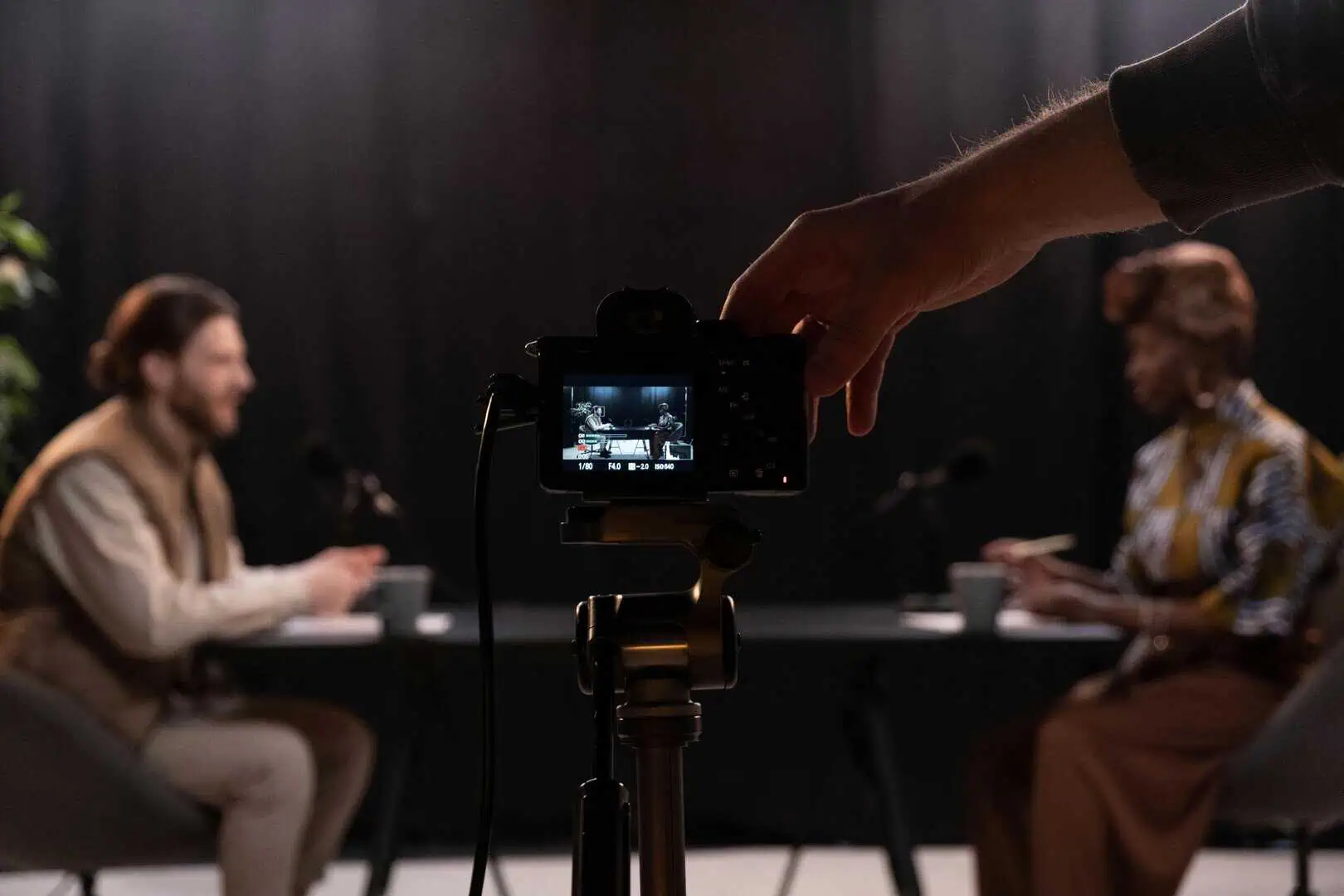
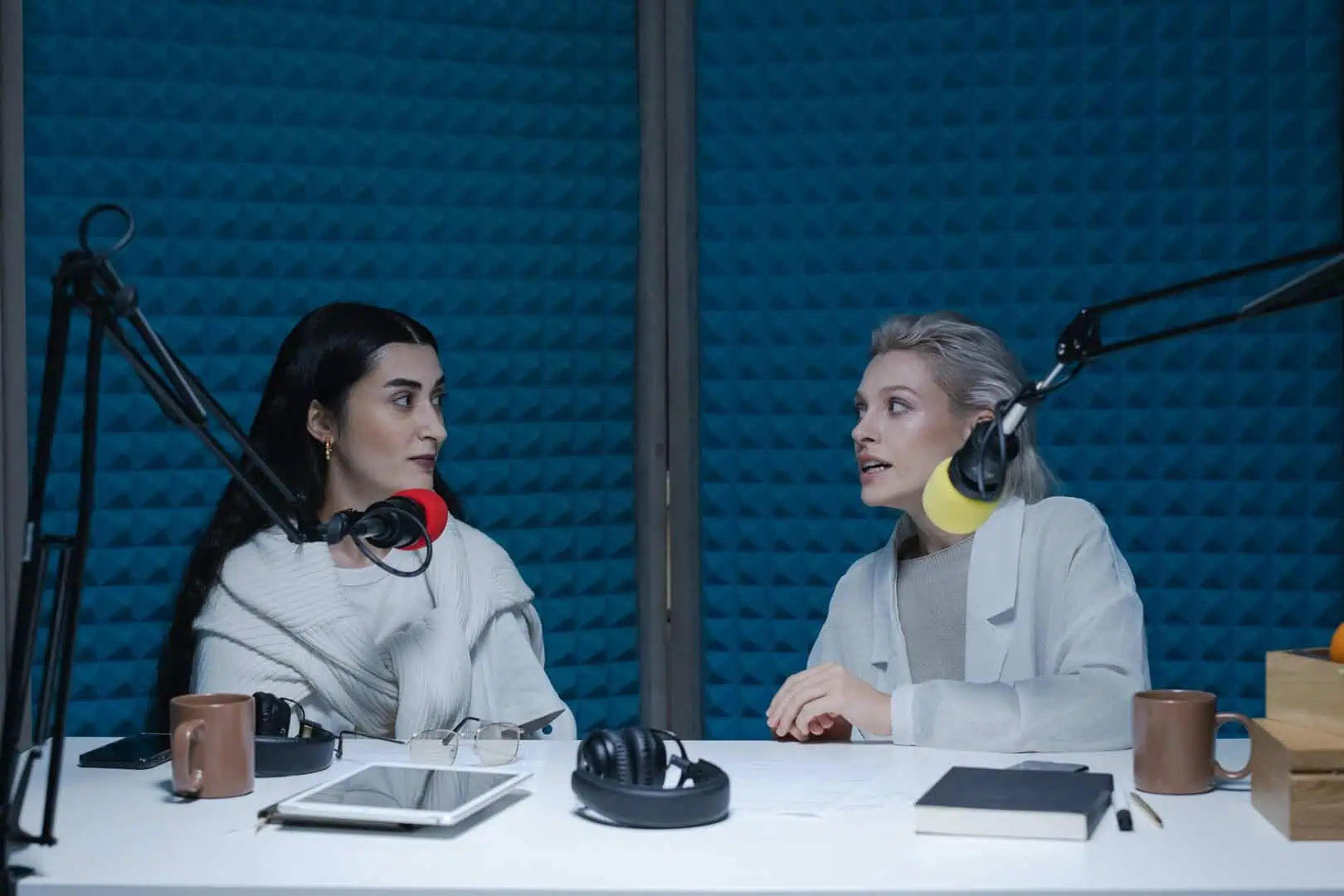
Bringing on guests adds depth to your show, but recording remotely comes with its own challenges. Tools like Riverside, SquadCast, and Zencastr record each person's audio locally, which means you get studio-quality sound even if someone has a weak internet connection.
Before hitting record, send your guest a short checklist covering mic placement, background noise, and headphone use. A five-minute prep call goes a long way toward avoiding technical issues during the actual conversation. For practical advice on setup and execution, remote podcast recording tips from experienced creators cover the most common mistakes and how to avoid them. If you're looking for inspiration on interview-style formats, listening to business podcast episodes from established shows can help you develop your own style.
Business and Entrepreneurship Podcast Episodes
Edit and Polish Your Audio
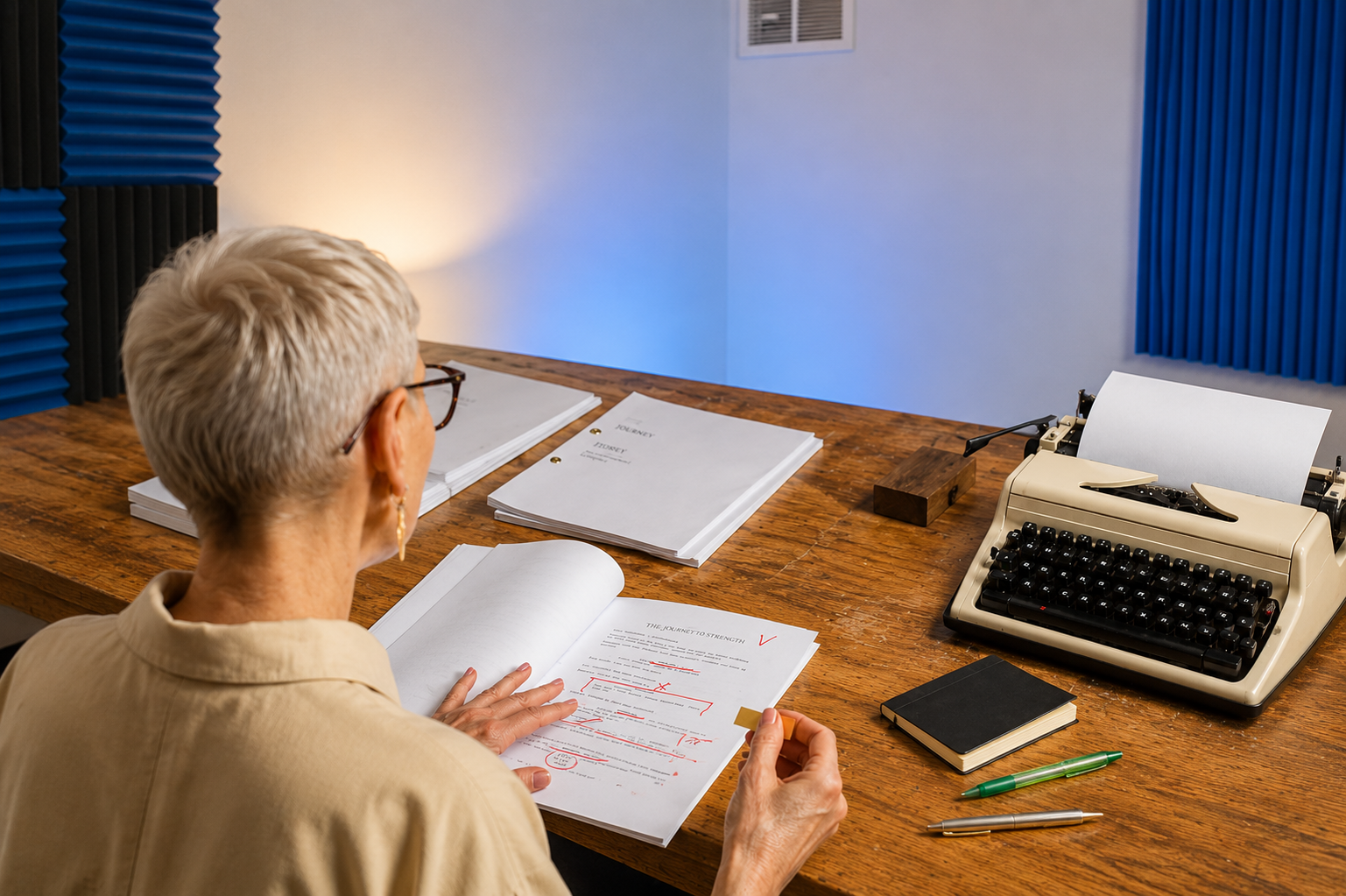
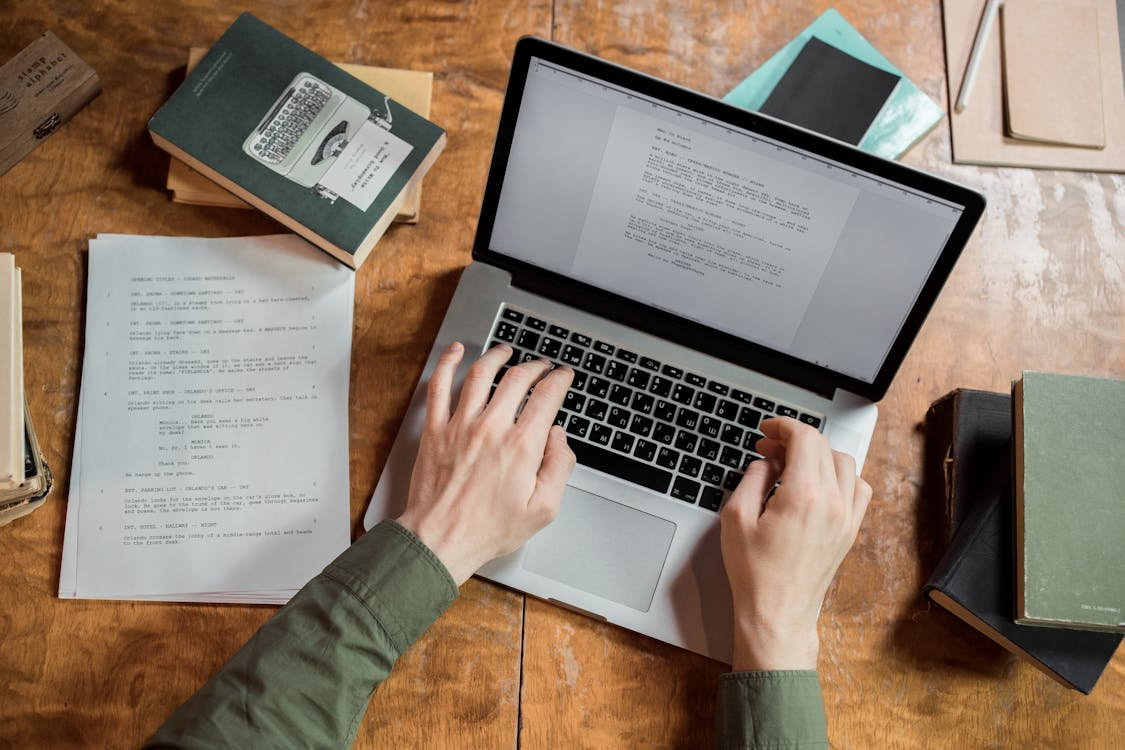
Editing is where your raw recording turns into a finished episode. At a minimum, you'll want to trim dead air, remove long pauses, and cut any sections that don't add value. Most editing software lets you normalize your audio levels so everything sounds consistent from start to finish.
Adding an intro, outro, and light background music can give your show a polished feel without a ton of extra work. If you plan to repurpose your episodes into short clips for social media, working with viral video production services can help you turn your best moments into content that reaches a wider audience.
Publish and Promote Your Show
Once your episode is edited and exported as an MP3, you'll need a podcast hosting platform to distribute it. Services like Buzzsprout, Libsyn, and Podbean handle the technical side, pushing your show to Apple Podcasts, Spotify, and other directories automatically.
Promotion is the piece many new podcasters overlook. Share each episode on social media, email your network, and ask guests to share with their audiences too. If managing the full production and distribution process feels like a lot, professional podcast management services can handle everything from editing to publishing so you can focus on creating great content.
Ready to take your podcast from idea to reality? Explore podcast production and growth services with FTS Pod and let a team of experts handle the heavy lifting while you focus on what you do best.
Final Thoughts
Recording a podcast is one of the most accessible ways to build an audience and share your message. You don't need expensive gear, a treated studio, or years of experience to get started. What you need is a clear topic, a decent microphone, and the willingness to hit record. Every successful podcast started with a first episode that wasn't perfect, and yours will be no different. The best time to start is right now.











.jpg)

.jpg)
.jpg)
.jpg)
.jpg)
.jpg)




.webp)
.webp)
.webp)

.webp)

.jpg)
.webp)