
Starting a YouTube channel sounds simple enough, but there's more to it than hitting "create" and uploading your first video. The platform has over 2 billion logged-in users every month, and the channels that grow consistently are the ones that launch with a clear plan. Whether you're building a personal brand, promoting a business, or sharing expertise with a specific audience, the steps below will walk you through exactly what to do and what to avoid. Getting this foundation right from the start saves you a lot of frustration down the road.
Key Takeaways
- You need a Google account before you can set up a YouTube channel.
- Defining your niche early helps you attract the right audience from day one.
- Channel art, keywords, and descriptions all influence how YouTube surfaces your content.
- Consistency in posting is one of the biggest factors in long-term channel growth.
- Good audio quality matters more than camera specs when you're just starting out.
Step 1: Set Up Your Google Account and Channel
To start, you must have a Google account. If you already use Google for services like Gmail or Drive, that account will work. If you don't have one, setting it up is quick, taking under five minutes.
Once signed in to Google, navigate to YouTube. Click your profile icon, which is located in the top-right corner, and then select "Create a channel." Follow the subsequent instructions that appear on your screen.
YouTube gives you the option to create a personal channel or a brand channel. If you're building for a business, go with the brand channel. It lets you add managers and admins, which is useful if you plan to work with a team. The official process for creating a YouTube channel is fairly straightforward once you know where to look, but choosing the right channel type from the start avoids headaches later.
Step 2: Define Your Niche and Plan Your Content
This is where most new creators rush ahead. Before you upload anything, get clear on what your channel is actually about. Who are you talking to? What problem are you solving, or what value are you consistently offering? A channel without a clear focus attracts scattered viewers and struggles to build a loyal subscriber base. It also makes it harder for YouTube's algorithm to recommend your content to the right people.
Think about topics you can realistically cover for the next six to twelve months. Quantity matters for growth, but so does sustainability. Look at what's already working in your space and find the angle that's genuinely yours. A strong YouTube content strategy considers not just what to post, but how often, in what format, and what the viewer walks away with after every single video.
Podcast Management Services for Business Owners
Step 3: Optimize Your Channel Profile
Once your channel is live, fill out every section. Upload a profile photo and a channel banner that reflects your brand. Write a compelling channel description, and add links to your website and social accounts. These details aren't optional extras. They're the first things a new visitor sees, and they help YouTube understand what kind of content your channel produces. A well-filled profile also makes you look credible to viewers who don't know you yet.
Your channel description should include the keywords people would use to find your type of content. Don't force them in, but don't leave the field blank either. Add a short channel trailer, because YouTube shows it to non-subscribers who visit your page. That one video is often your best shot at turning a casual visitor into a subscriber, so spend some time making it clear and engaging.
Step 4: Create and Upload Your First Videos
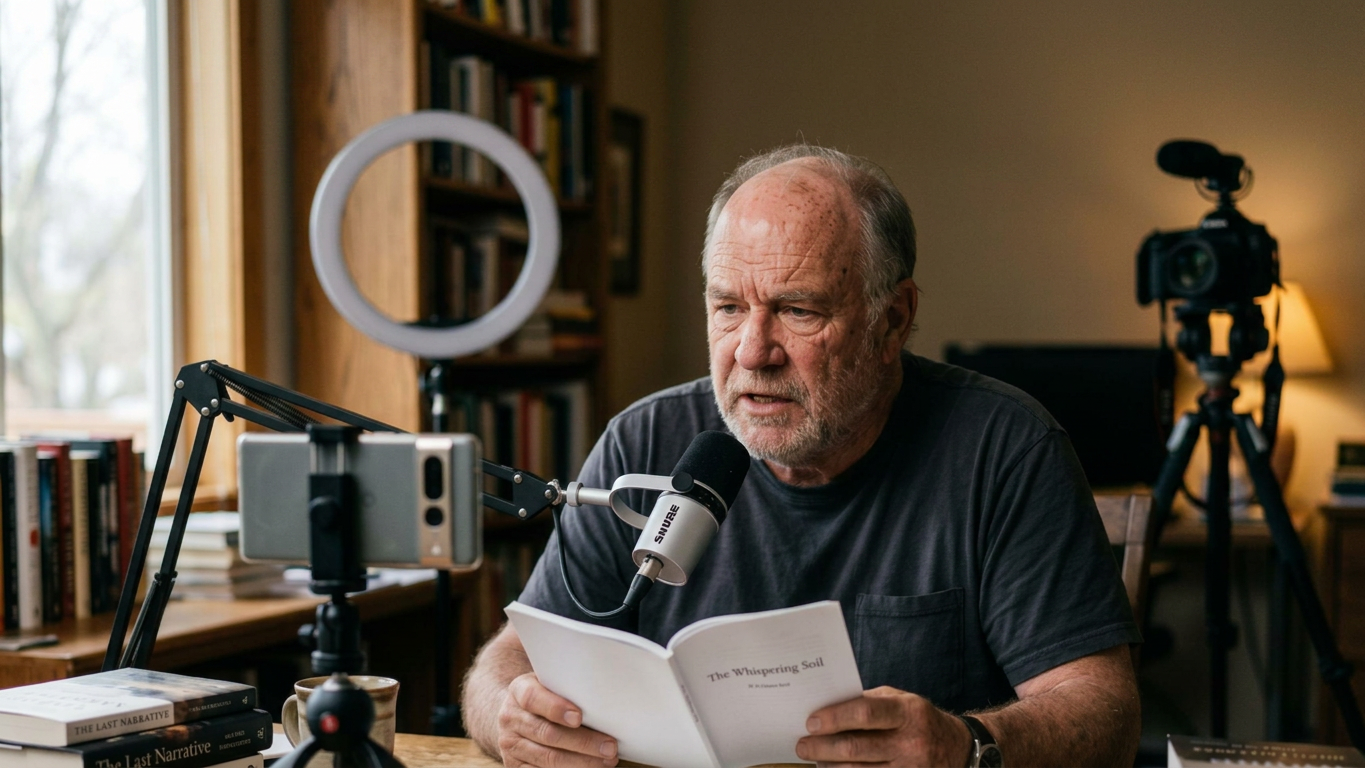
You don't need a high-end camera to get started. A smartphone with decent lighting and a good external microphone will get you far. Audio quality is the real priority in early videos. Viewers will tolerate slightly soft visuals, but they'll click away fast if the audio is hard to follow. Many creators invest in professional viral video production services when they're ready to scale, but for your first few uploads, a clear setup and good natural light can work well enough.
When you upload a video, fill in the title, description, and tags with intention. Your title should be specific and searchable, not vague or overly clever. Your description should give viewers context and include relevant keywords naturally. Add chapter timestamps if your video runs longer than a few minutes. And always upload a custom thumbnail. Auto-generated thumbnails rarely perform as well as one you've designed to catch the eye in a crowded feed.

Business and Entrepreneurship Podcast Episodes
Step 5: Build Your Audience Consistently
Growing a YouTube channel takes real time, and there's no shortcut around that. But there are things you can do to speed the process up. Post on a consistent schedule so your audience knows when to expect new content. Engage with every comment, especially in the early days. Cross-promote your videos on other platforms, and consider using LinkedIn marketing services if your target audience is made up of professionals and business owners.
Study your YouTube Analytics regularly. Watch time, click-through rate, and audience retention all tell you what's working and what needs adjusting. Growing a YouTube channel comes down to testing, learning, and iterating with each video you publish. Channels that treat their viewers as real people rather than just a metric tend to build stronger communities and retain subscribers over time.
If you're looking for examples of how consistent content builds real audience trust, the business podcast episodes from FTS Pod are a good reference point. They combine regular publishing with honest storytelling, which is exactly the kind of approach that holds attention on YouTube too.
Want to produce videos that actually get seen? Work with our video team to create content built for growth, from strategy to production to publishing.
Final Thoughts
Making a YouTube channel doesn't require perfection, but it does require intention. Set up your account properly, know your audience, post consistently, and keep refining your approach with each video. Channels that last aren't always the ones that go viral overnight. They're the ones that show up for their audience week after week and treat every upload as a chance to get a little better. Start with a solid plan, keep it simple, and build from there.































.jpg)

.jpg)
.jpg)
.jpg)
.jpg)
.jpg)
















.webp)
.webp)

.webp)






.webp)



.jpg)

.webp)