

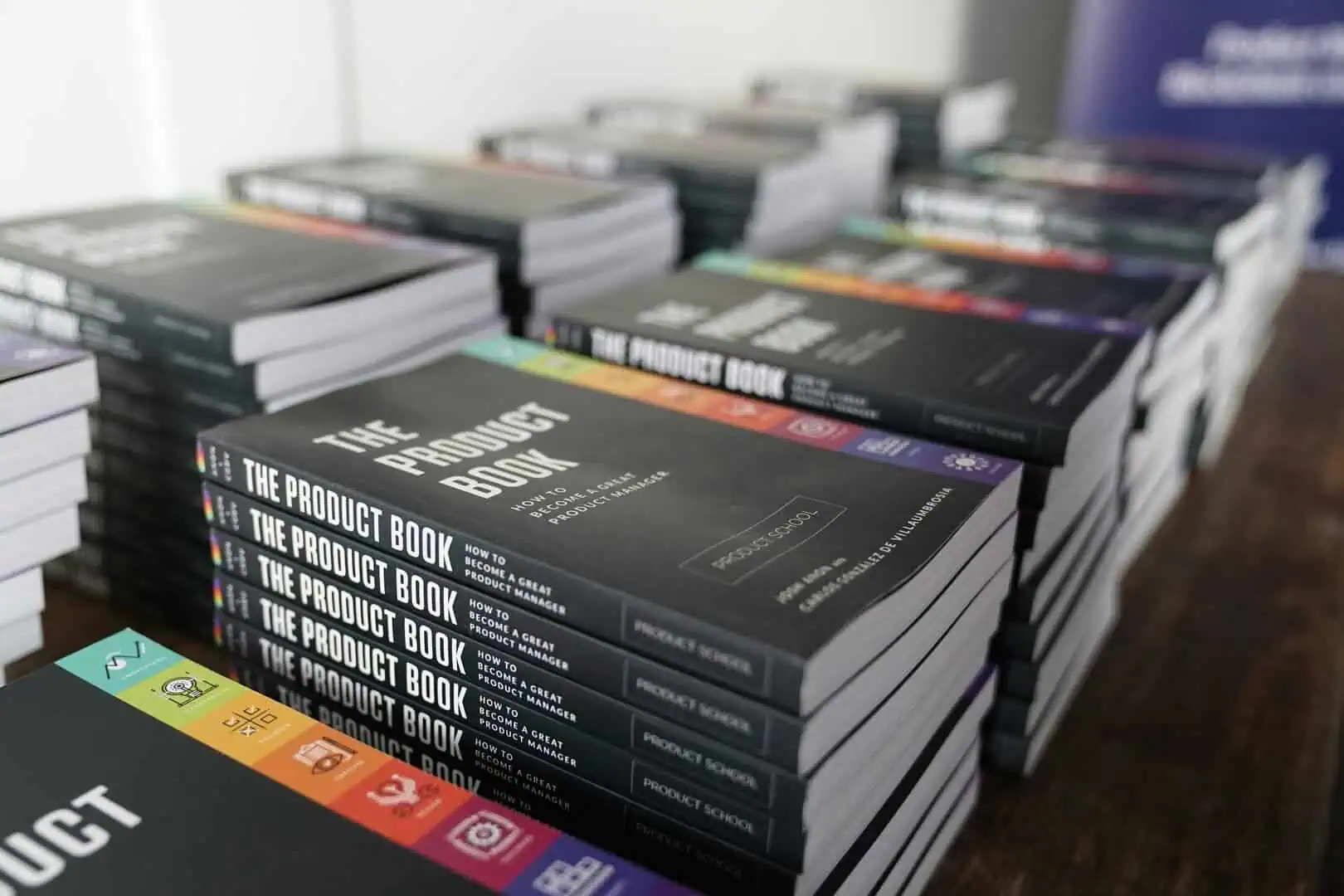
Writing a book is only half the job. The other half is getting it in front of the right readers, and that part is harder than most authors expect. You can spend a year crafting something you're proud of, then watch it sit quietly with a handful of sales because marketing wasn't part of the plan. That's not a writing problem.
It's a visibility problem. The good news is that effective book marketing doesn't require a massive budget or a PR team. What it does take is a clear strategy and the consistency to keep showing up.
Key Takeaways
- Building your author platform before launch gives you an audience ready to buy on day one.
- Social media works best when you focus on one or two platforms where your readers actually spend time.
- Podcast appearances are one of the most effective ways to reach new readers organically.
- Email lists give you direct access to your audience without depending on changing algorithms.
- Video content boosts discoverability and introduces your book to readers who wouldn't find it otherwise.
- A coordinated book launch campaign builds momentum before, during, and after your release date.
Start With Your Author Platform
Before you start talking about your book, you need a home base. Your author platform is the combination of your website, your social media presence, and any audience you've already built around your name or your writing. Readers today don't just buy books. They buy into the person behind the book, so giving them somewhere to find you matters more than most first-time authors realize.
Your book marketing website should have a clear bio, an easy way to subscribe to your email list, and a dedicated page for your book with links to purchase it. It doesn't need to be elaborate. It just needs to work and be easy to navigate. Start building this crucial book marketing tool before your book launches, not after it's already out.
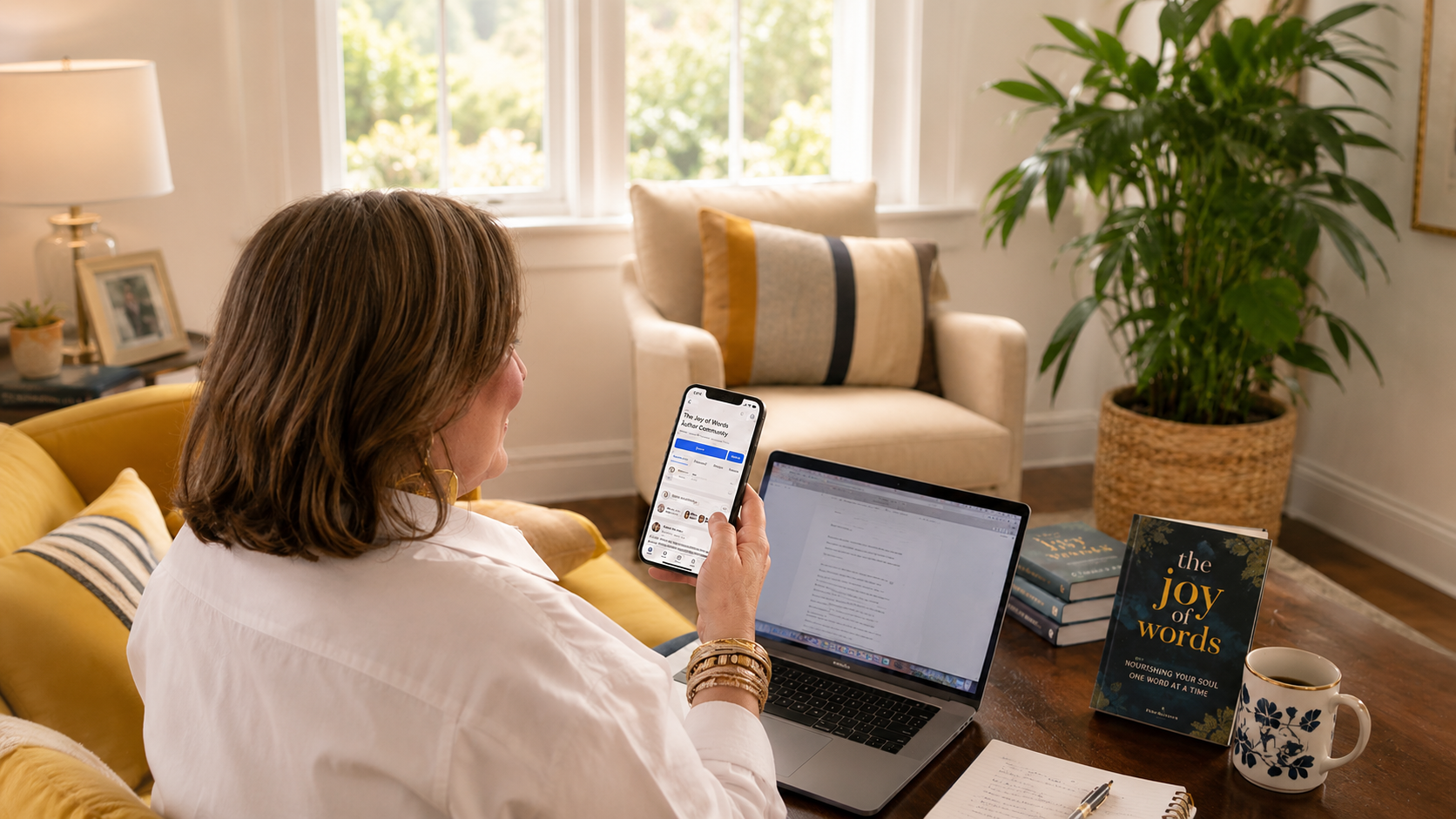
Use Social Media Strategically
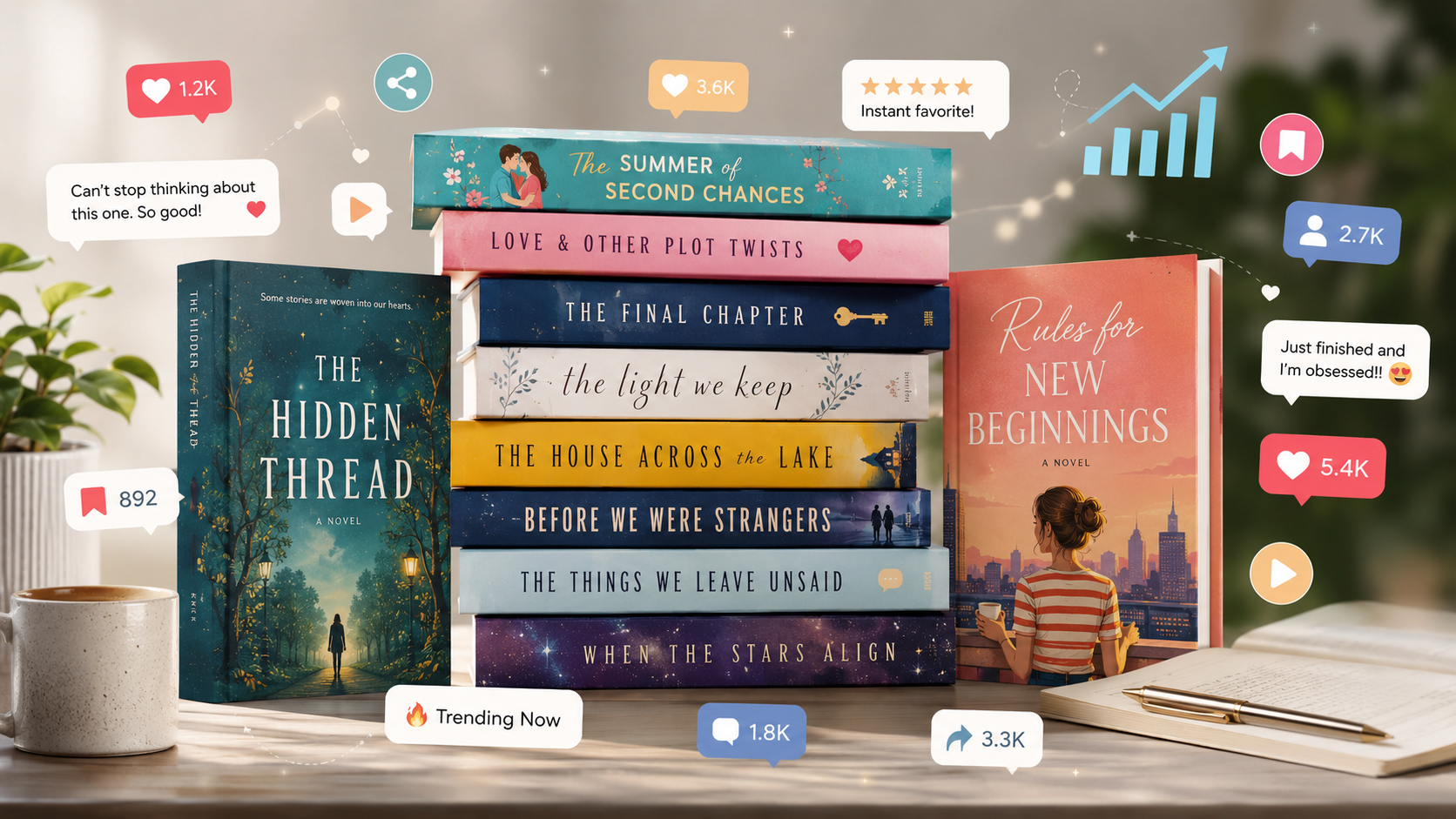
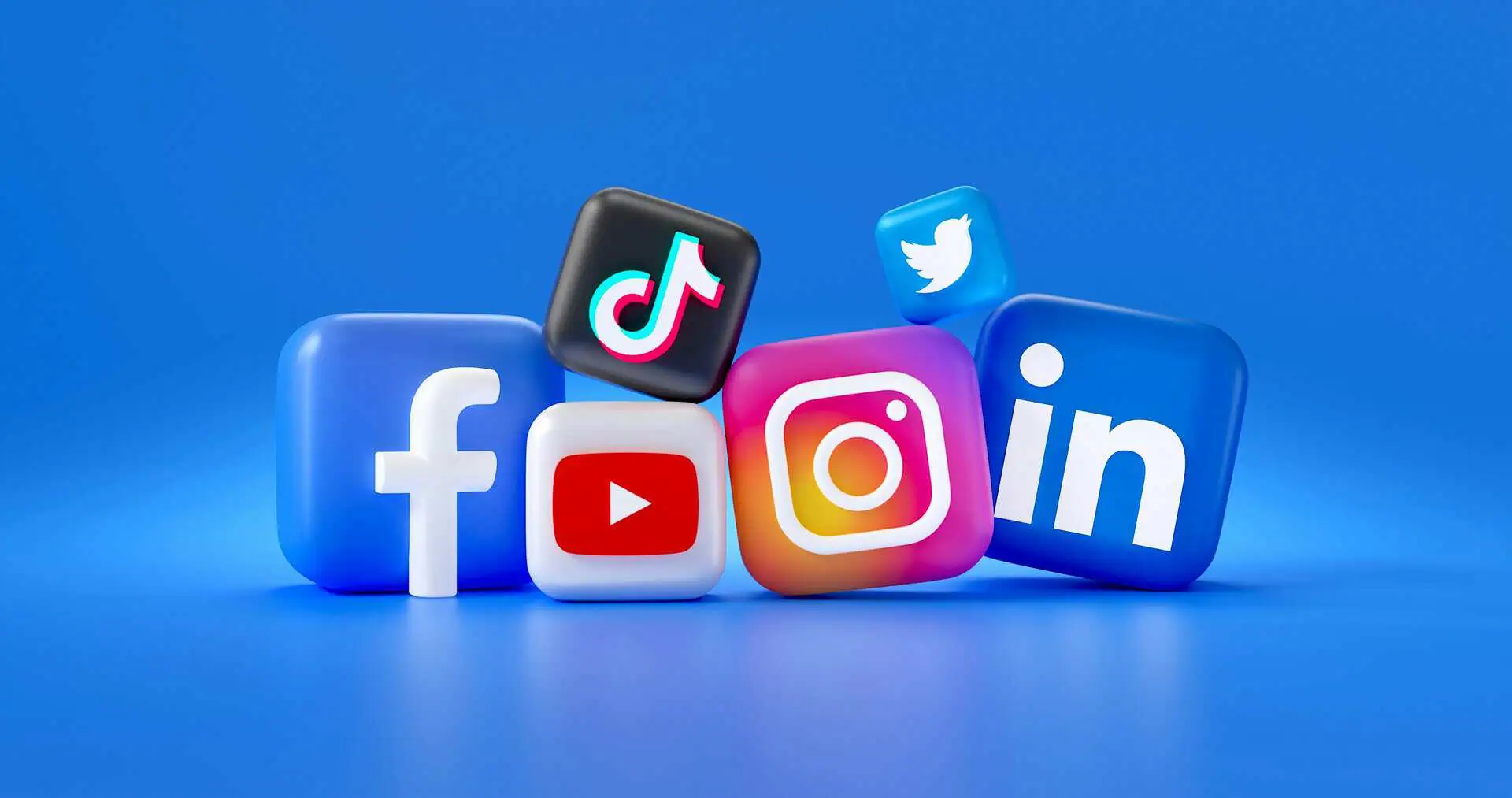
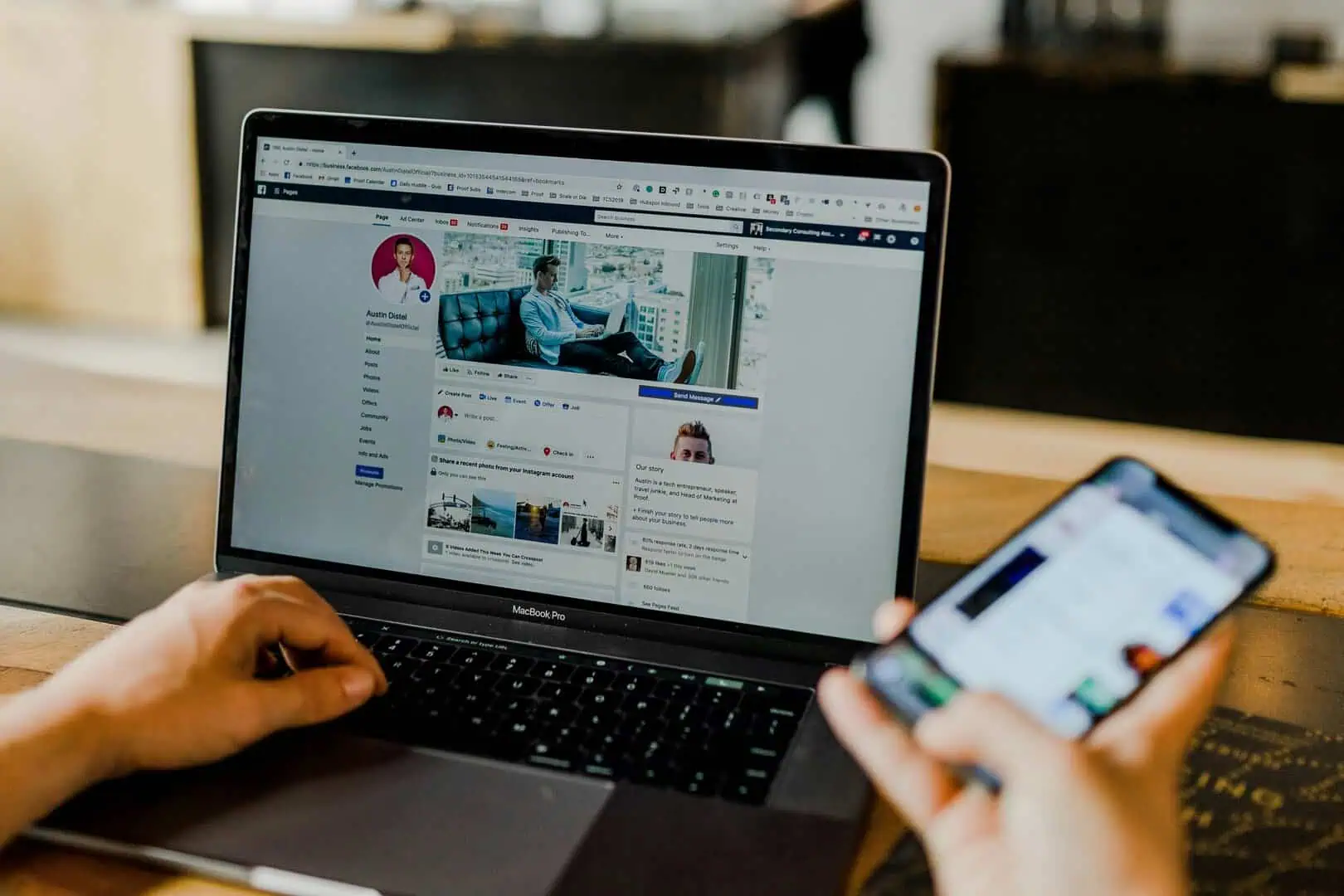
Authors shouldn't overcommit to social media. Focus on one or two platforms where your target readers are. TikTok/Instagram suit fiction (romance, fantasy, thriller); LinkedIn is better for nonfiction/business. Don't just promote your book. Share your writing process, discuss book topics, and engage with the community. This builds trust, making followers more likely to buy your book at launch.
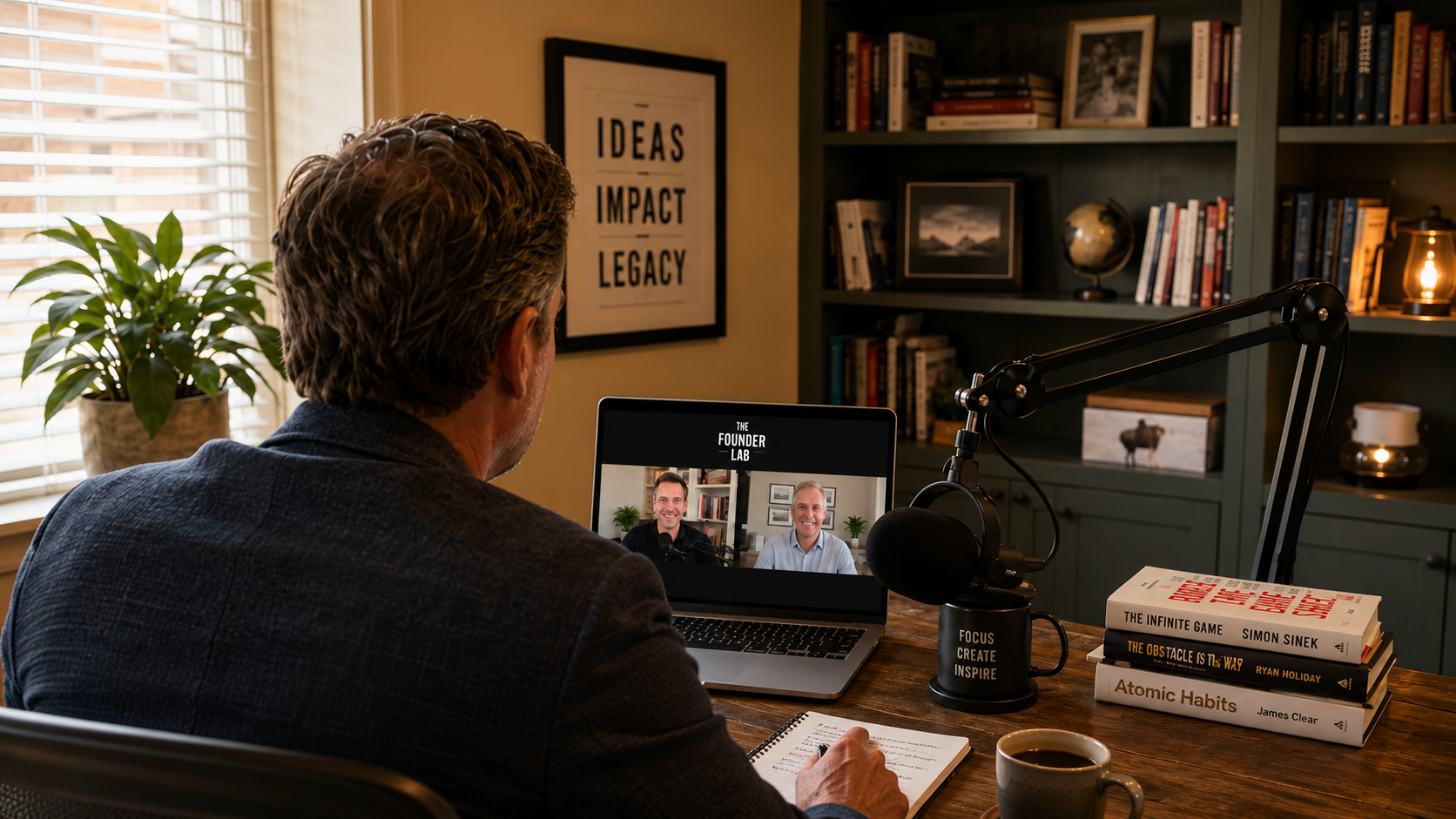
Get on Podcasts
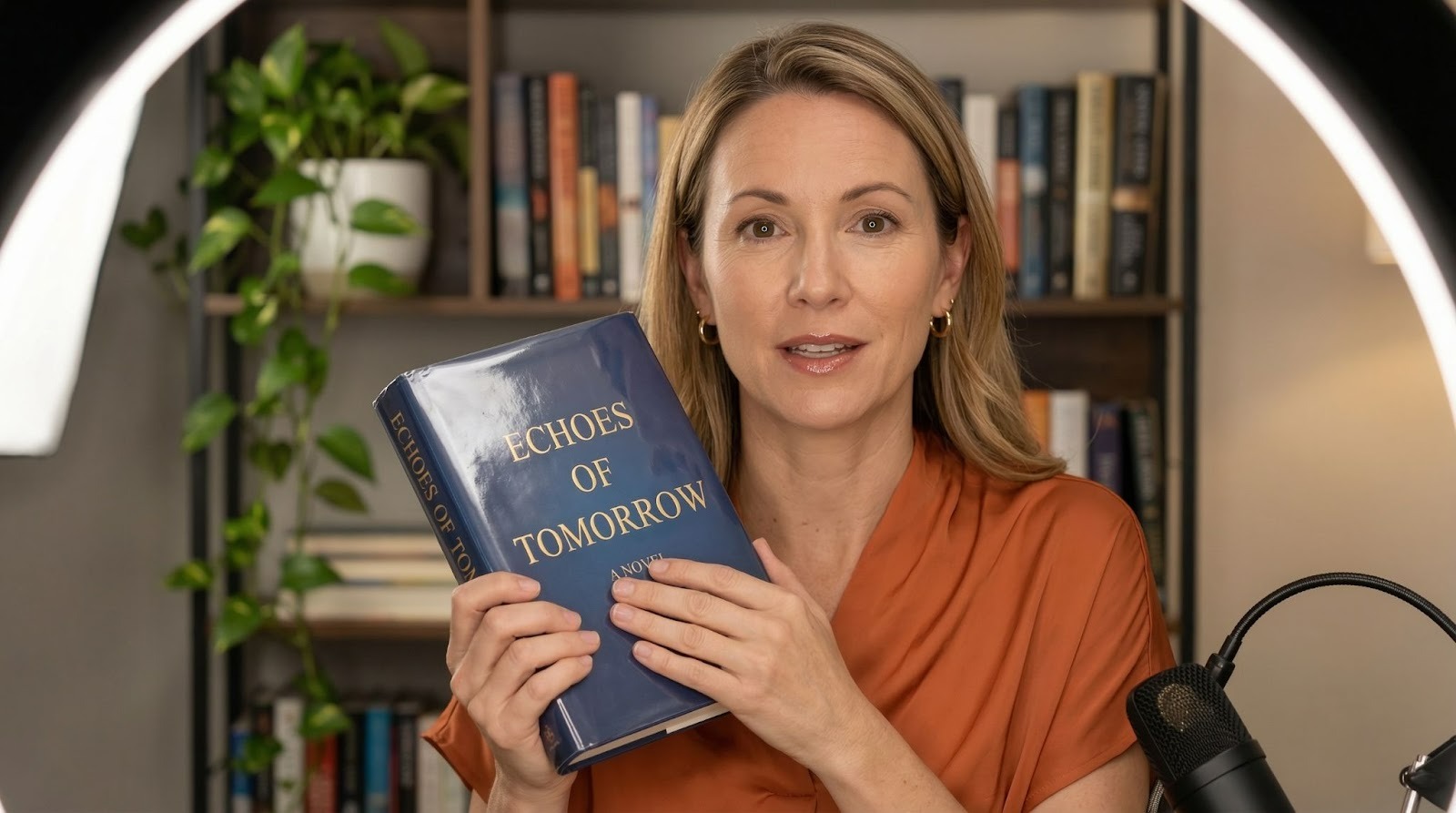
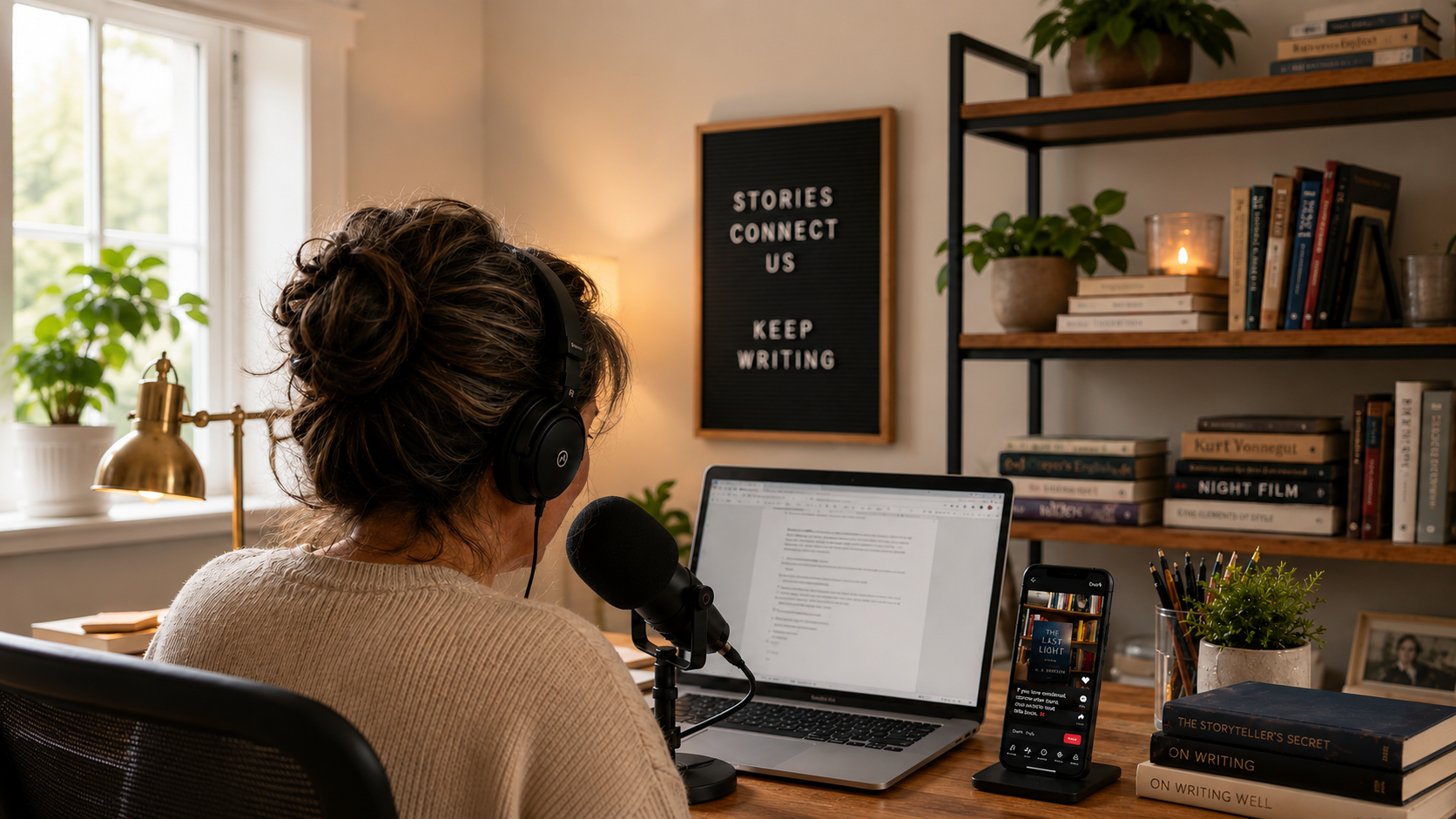
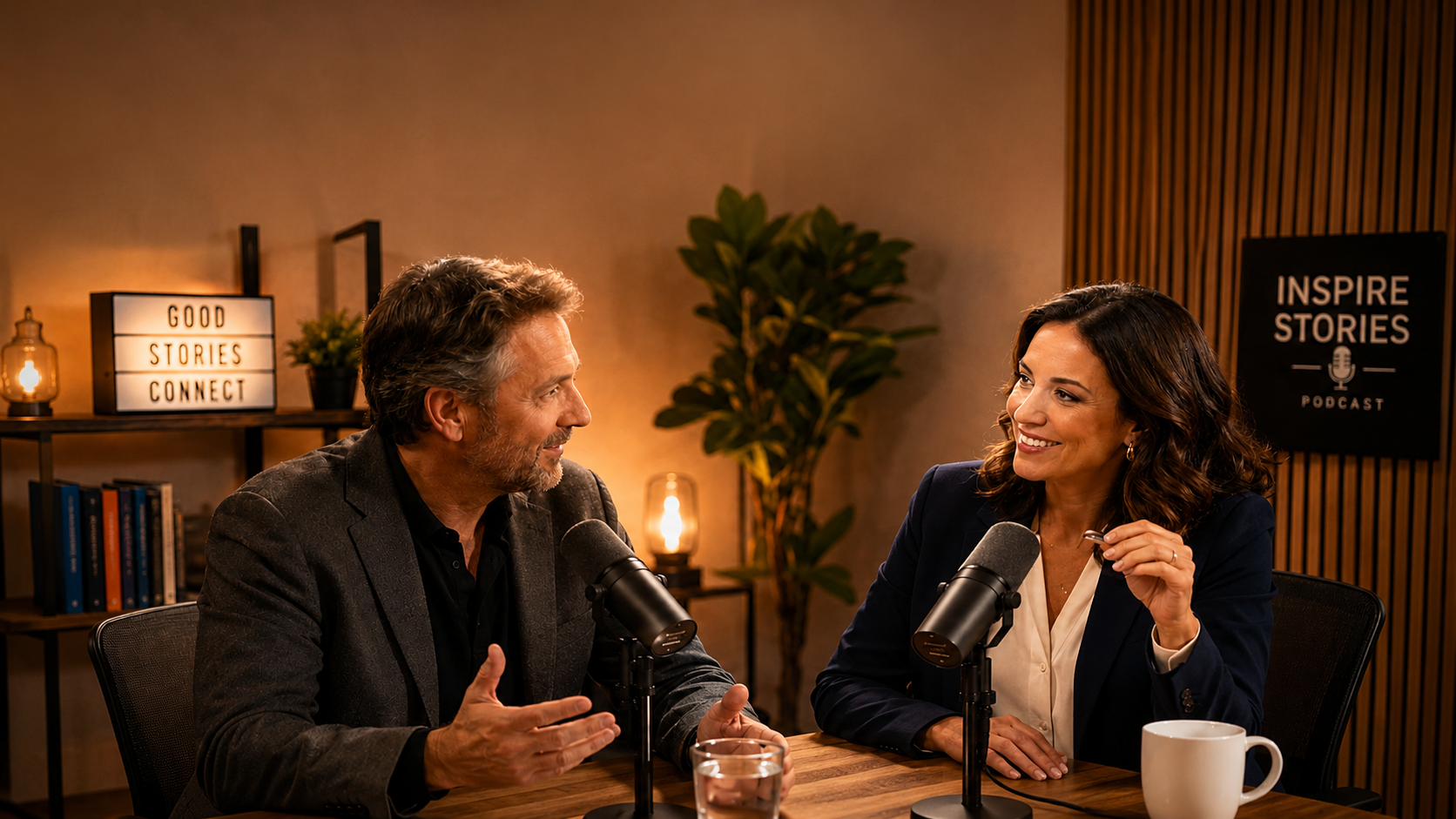
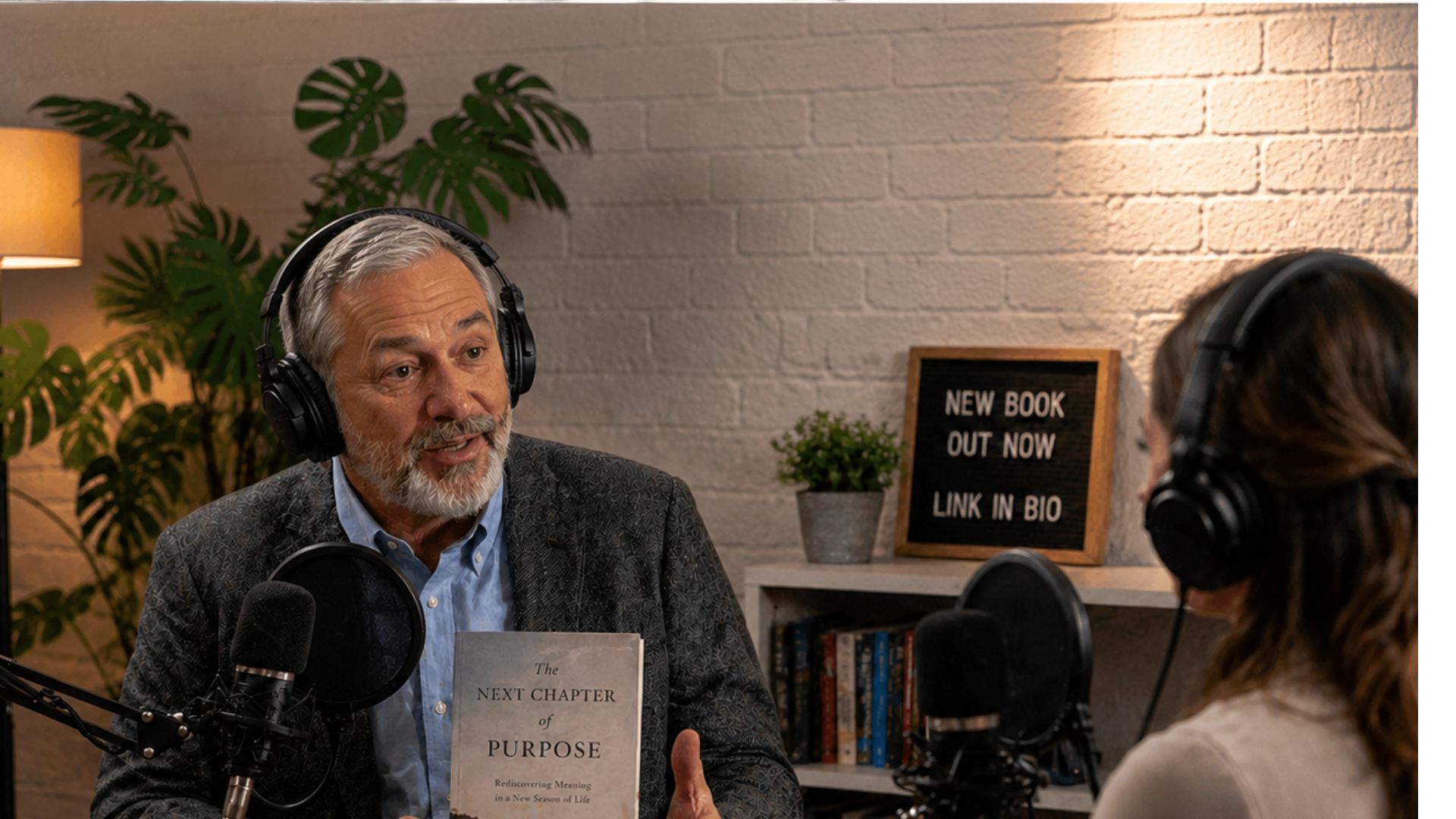
Podcast appearances are an overlooked book marketing tool. Appearing on a relevant podcast connects you directly with an interested audience. Send hosts a brief, personalized pitch focusing on listener value, not book marketing promotion. Listeners who connect with you are much more likely to seek out your book.
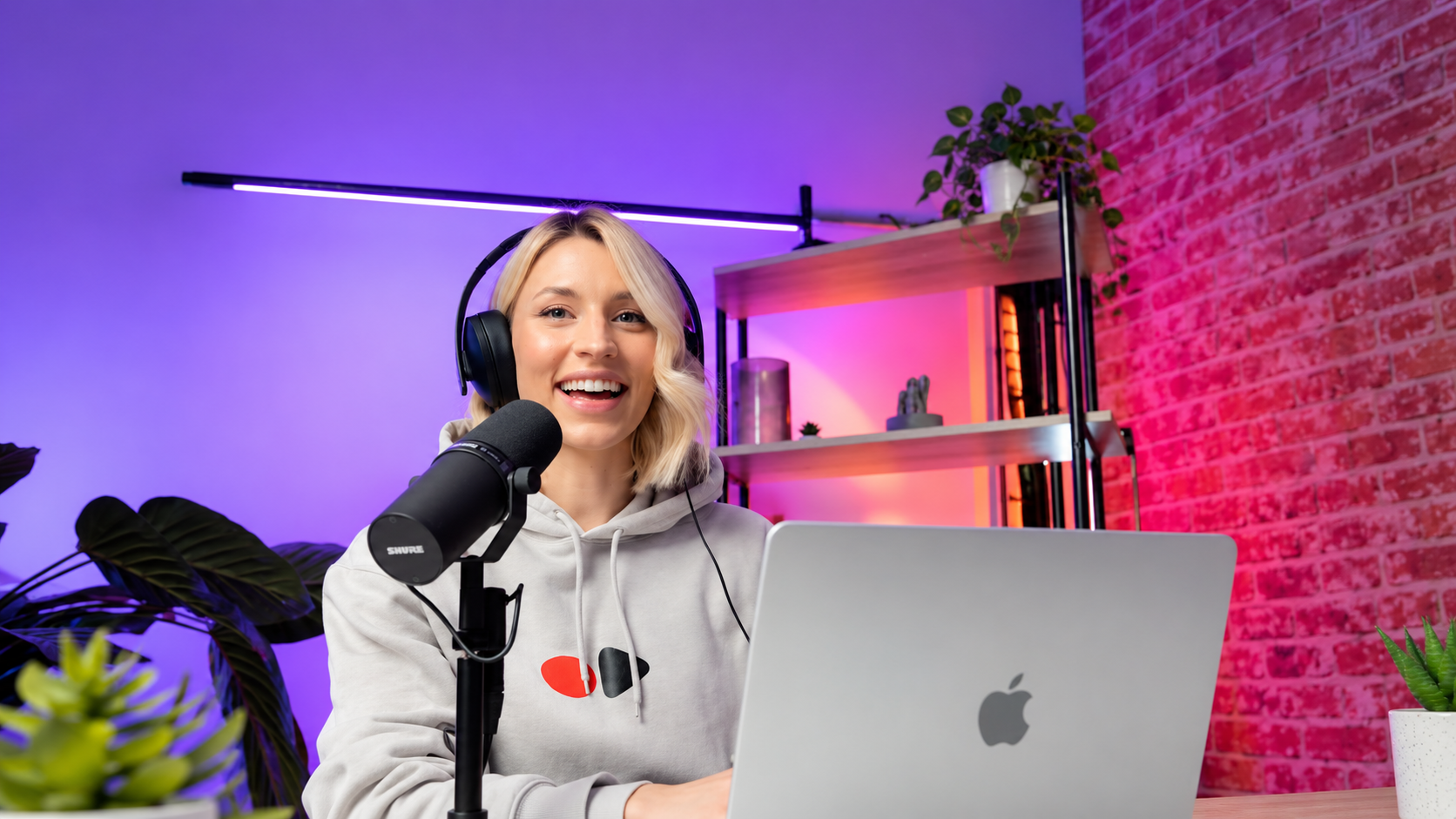
If you're thinking about launching your own show to support your author brand, professional podcast management can handle everything from guest sourcing to editing and episode publishing, so you can stay focused on writing.
Build and Protect Your Email List
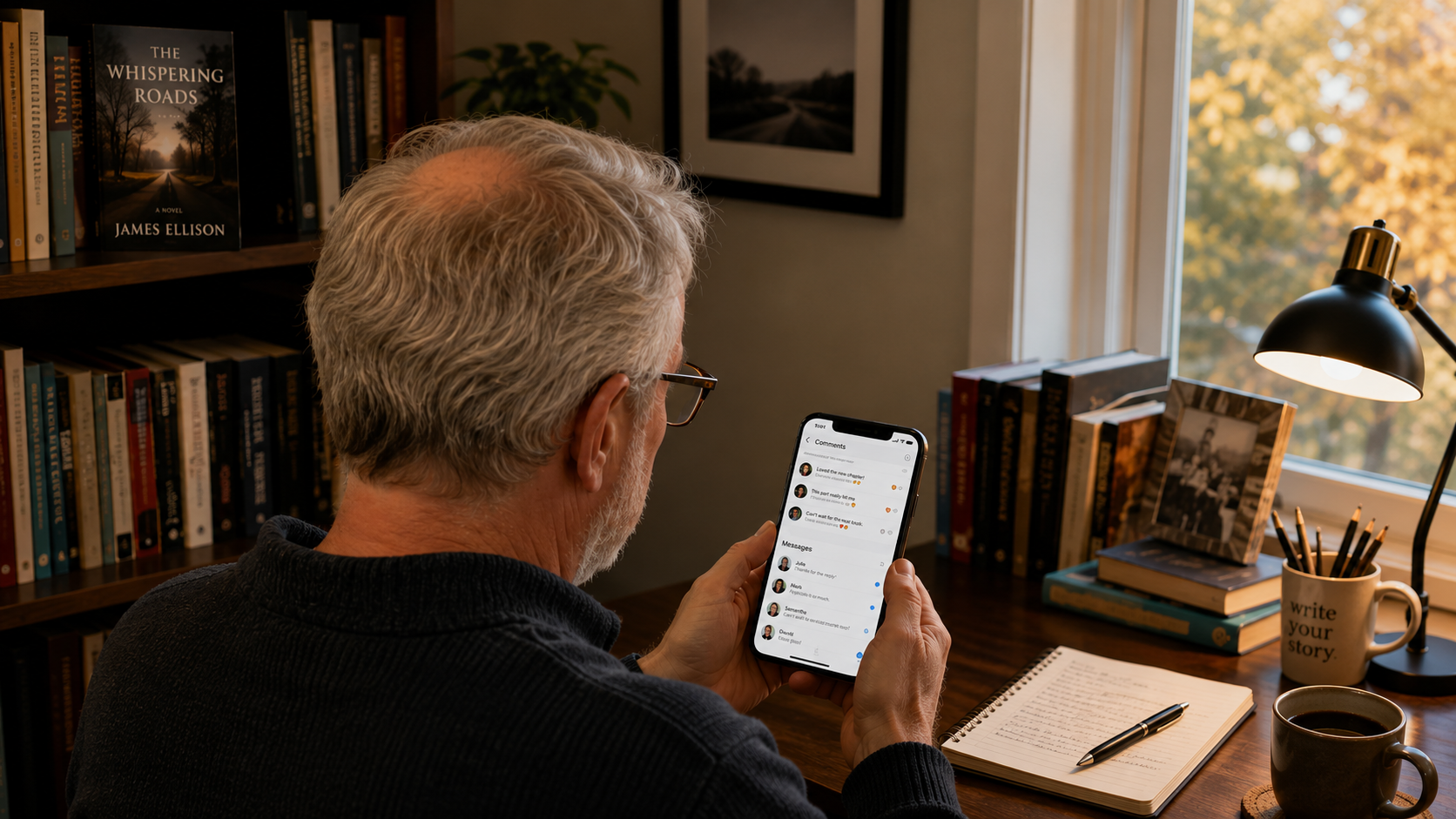
Social media algorithms change constantly, and your follower count can drop without warning. Your email list is the one asset you own outright. Email marketing for authors consistently outperforms social media for converting readers into buyers, especially during a launch.
Build your email list pre-launch by offering a free incentive (like a sample or guide). Email consistently, not just for sales, to keep subscribers engaged and more likely to open your launch announcement.
Make Video Work for You
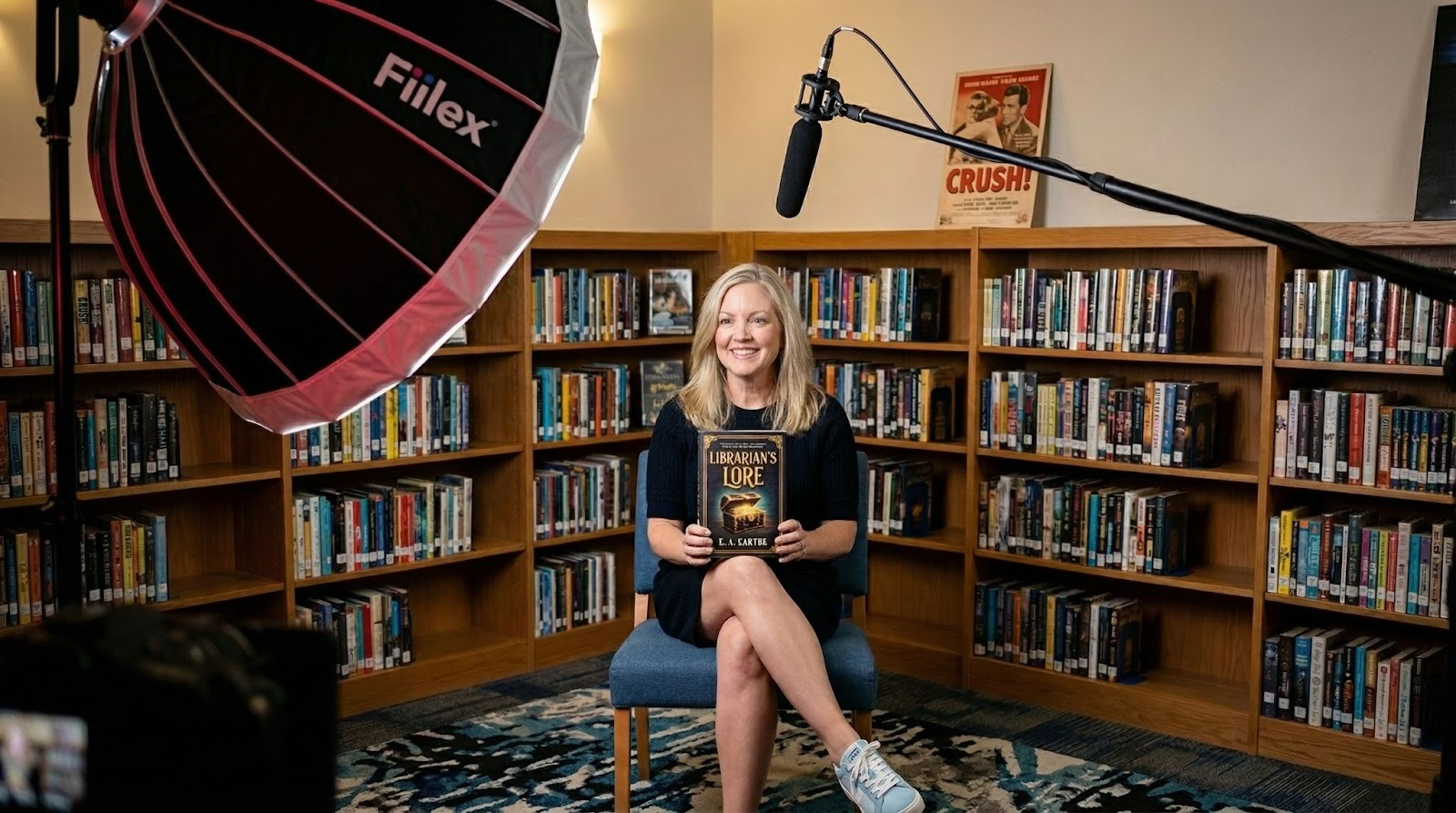
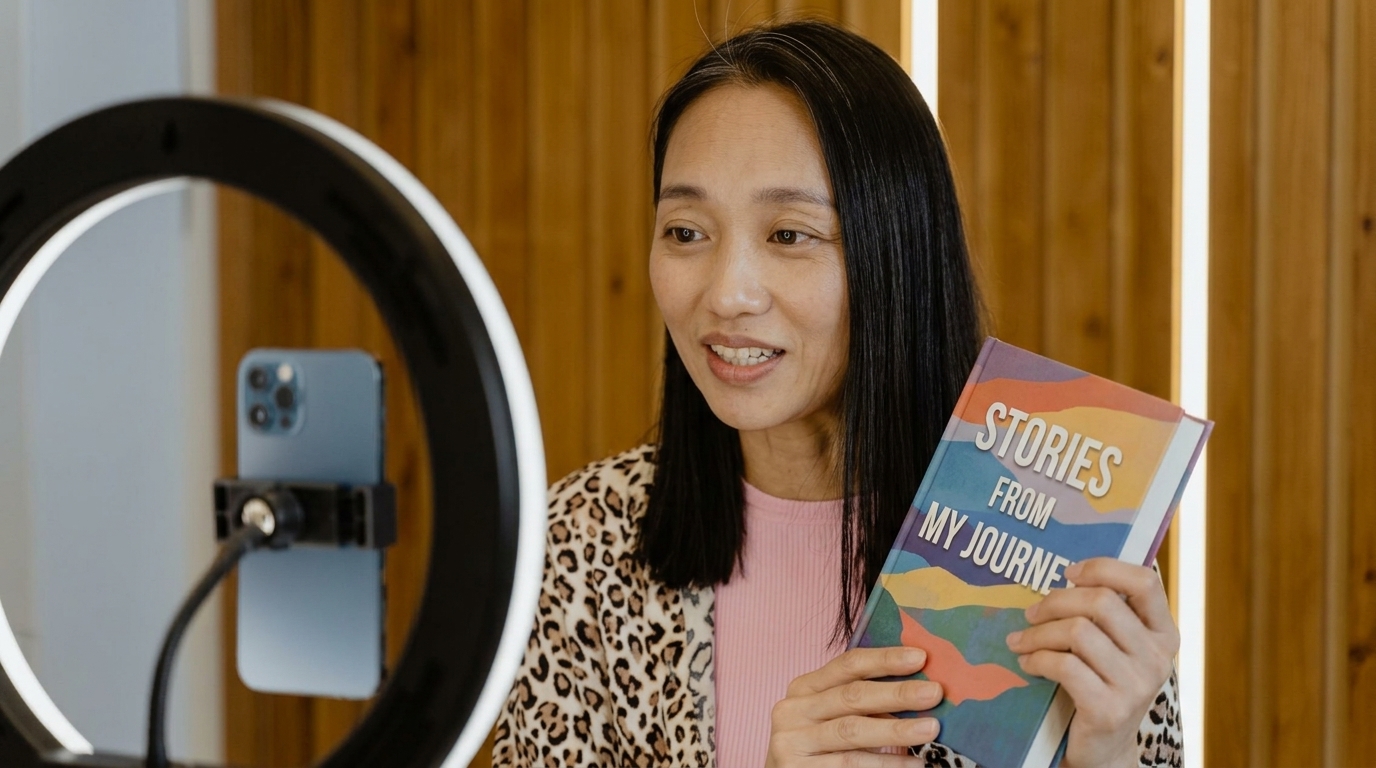
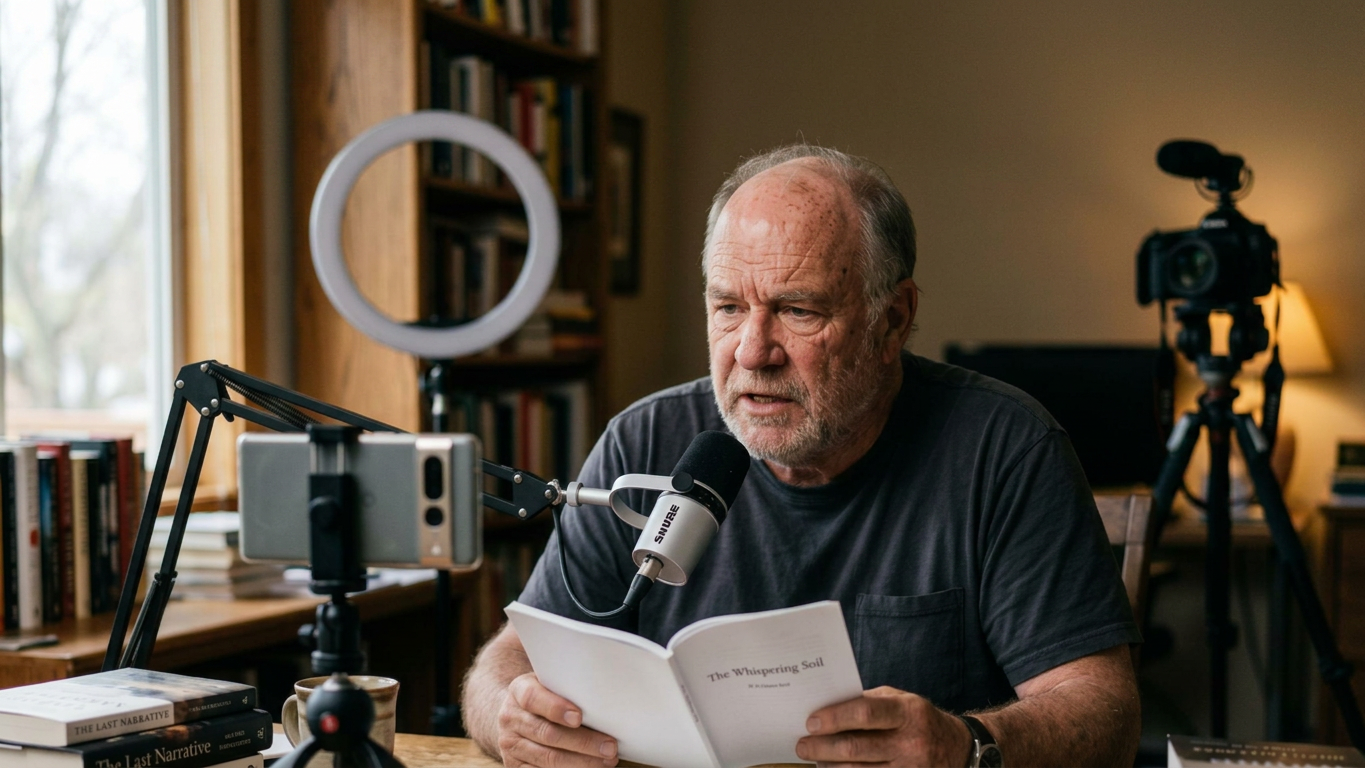
Video quickly boosts author visibility for book marketing. Platforms like BookTok and Instagram Reels connect readers to books outside traditional channels. You only need a phone, good lighting, and engaging content no expensive equipment. Share your routine, discuss themes, or read a compelling passage as part of your book marketing efforts.
If you want to produce content that actually travels and reaches new audiences consistently, viral video production done by people who understand platform trends can save you months of trial and error.
Plan Your Book Launch Like a Campaign
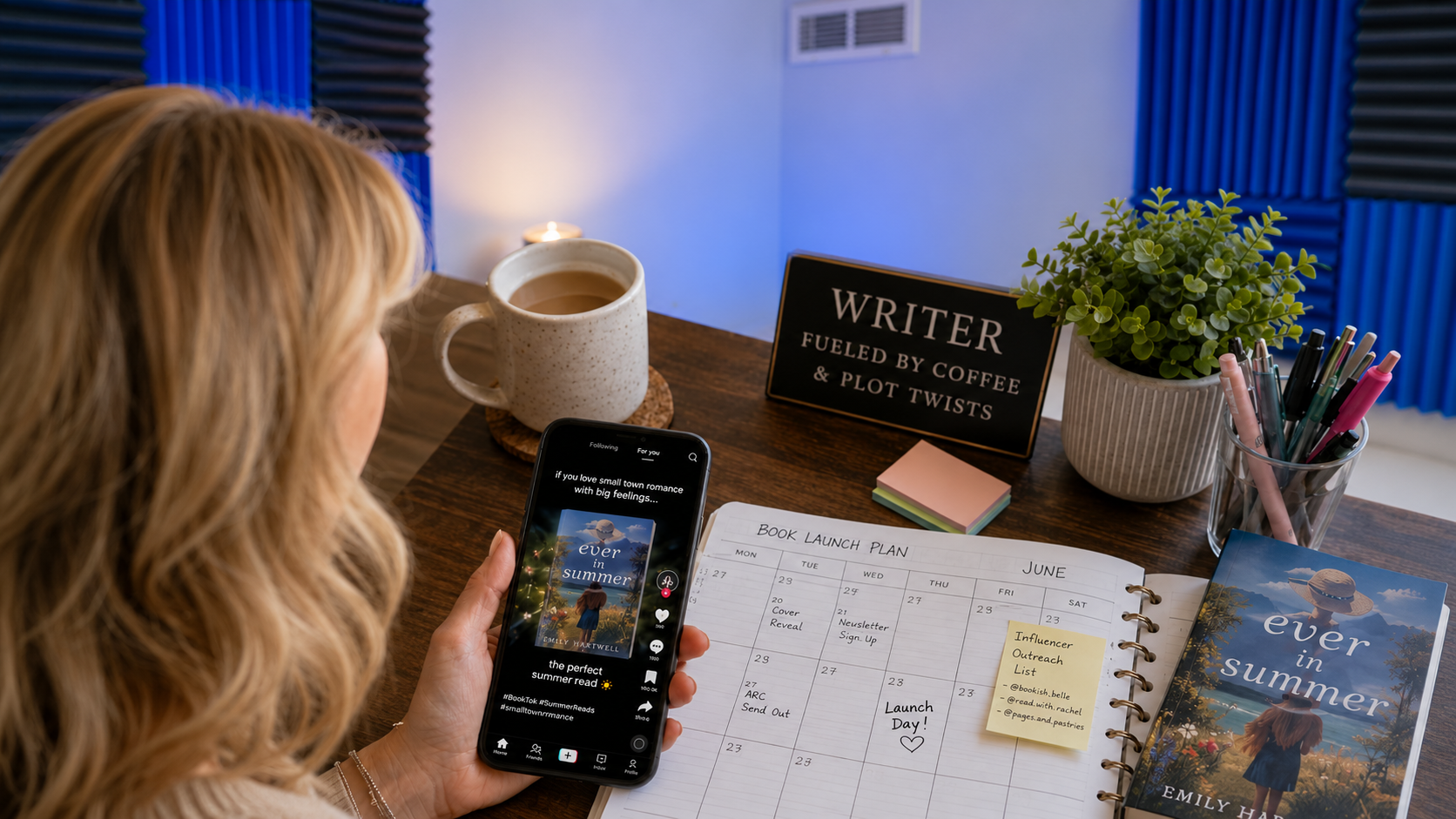
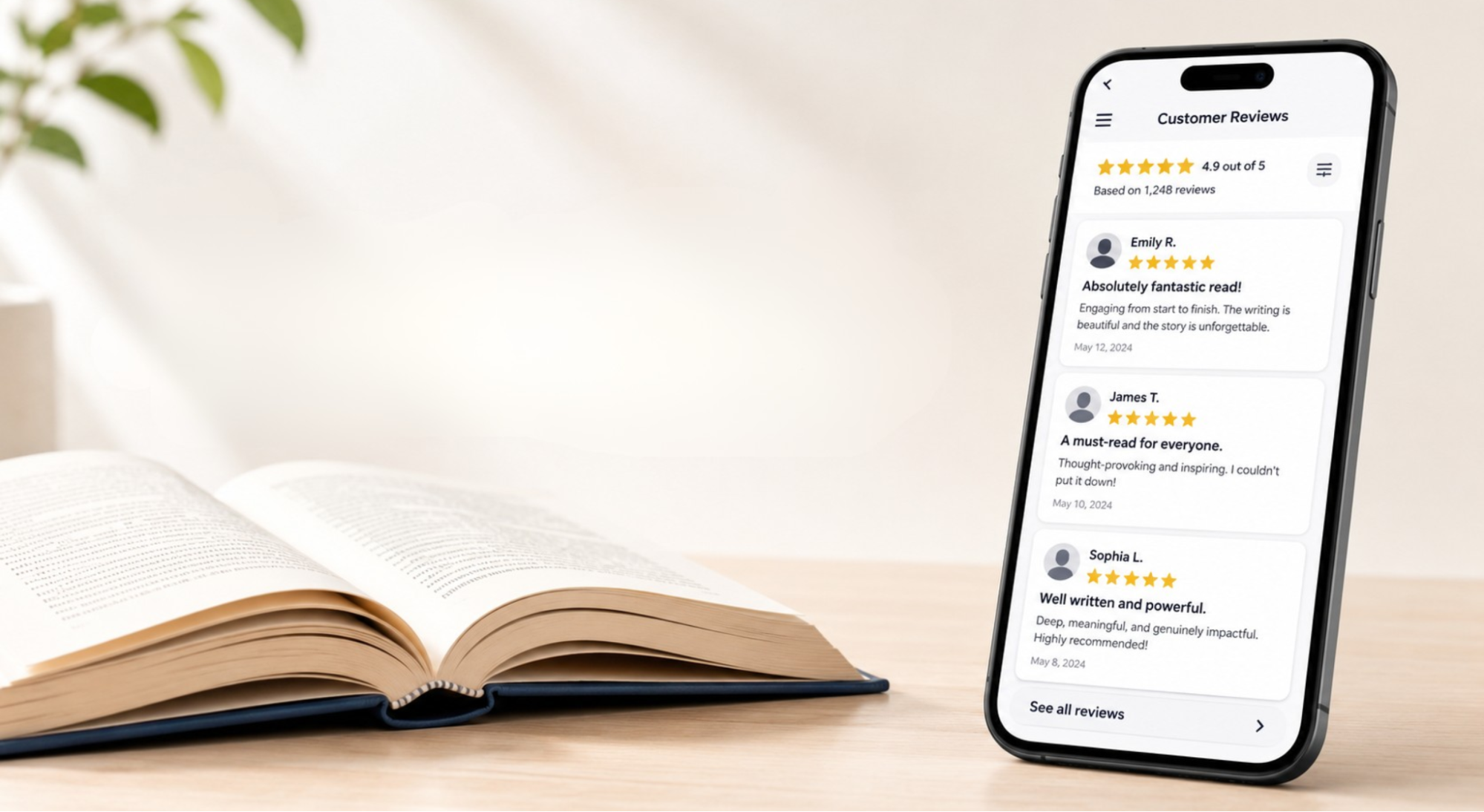
A book launch isn't a single announcement. It's a series of coordinated touchpoints that build momentum in the weeks leading up to and following your release date. Book launch campaigns that generate real traction usually begin four to six weeks before release with teaser content, early reader reviews, and pre-order incentives.
Launch week aims for maximum simultaneous channel activity. Post-launch, continue with reader Q&As, pitching for features/gift guides, and active social content. View the launch as a campaign: beginning, peak, and follow-through.
Don't Skip the Technical Side
A lot of authors put all their energy into content and forget about the backend. Metadata optimization is one of the most quietly powerful parts of selling books online. Your title, subtitle, keywords, categories, and book description all affect how your book surfaces in search results on Amazon and Goodreads.
A well-crafted description with the right keywords can drive steady sales for months after your launch without any extra effort. Authors who appear in strong case studies of long-term book sales consistently point to discoverability and metadata as major factors. Getting this right once pays off repeatedly over time.
If you're ready to take your book's reach seriously, explore the full range of services available through FTS Growth Studio, from viral video production and podcast creation to social media management and business process outsourcing.
Keep Going After Launch
Book marketing is a long game, and the authors who do it well understand that. It's not about one viral post or a single launch push. It's about showing up consistently, connecting with readers in the right places, and making it easy for your book to be found by the people who need it. The authors who sell well over time aren't always the most talented writers. They're the ones who treat marketing as part of the craft and commit to it long after the excitement of release day fades. Start where you are, use what you have, and build from there.

























.jpg)

.jpg)
.jpg)
.jpg)
.jpg)
.jpg)














.webp)
.webp)

.webp)





.webp)


.jpg)
.webp)