

Most first-time authors assume you need a platform before you can start promoting. That's not really true. Some of the best-selling indie authors today built their audience after publishing, not before. The book itself was their introduction.
If you're sitting on a finished manuscript and thinking you can't promote it because nobody knows who you are yet, this is for you. For authors shaping a stronger content voice from the start, FTS Pod’s free ebook Creating Authentic Content in the Age of AI offers a practical framework for creating content that feels clear, human, and trustworthy.
Here's how to promote your book when you're starting from zero, without spending a ton of money or faking a following you don't have.
Key Takeaways
- You don't need a large social media following to start promoting your book effectively.
- Podcast guesting is one of the fastest ways to reach targeted readers who are already paying attention.
- A free chapter or reader magnet can grow your email list even before your book launches.
- Getting your book into local bookstores and libraries builds real-world credibility with zero ad spend.
- Consistent, low-cost tactics compound over time and outperform one-time paid promotions.
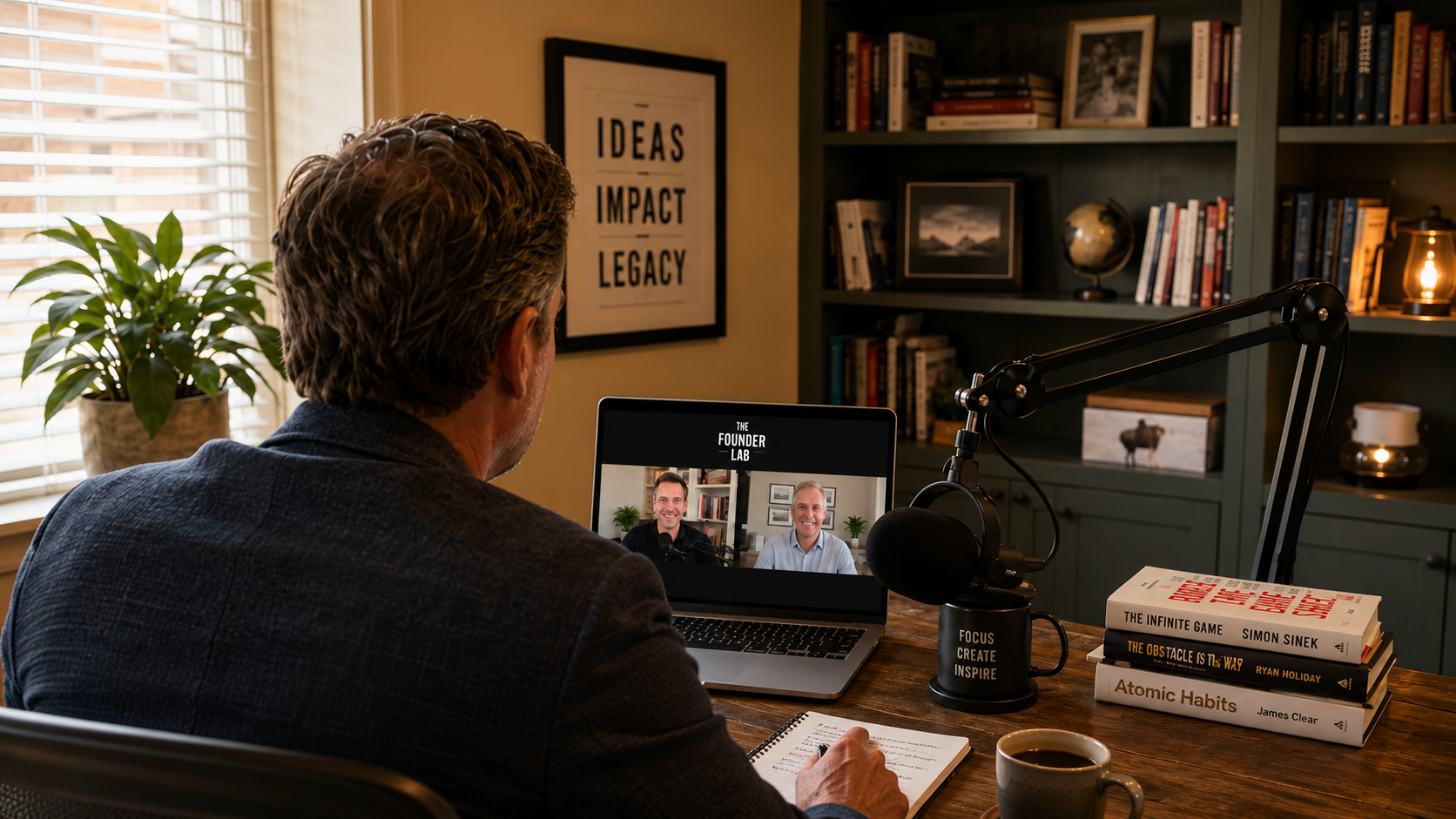
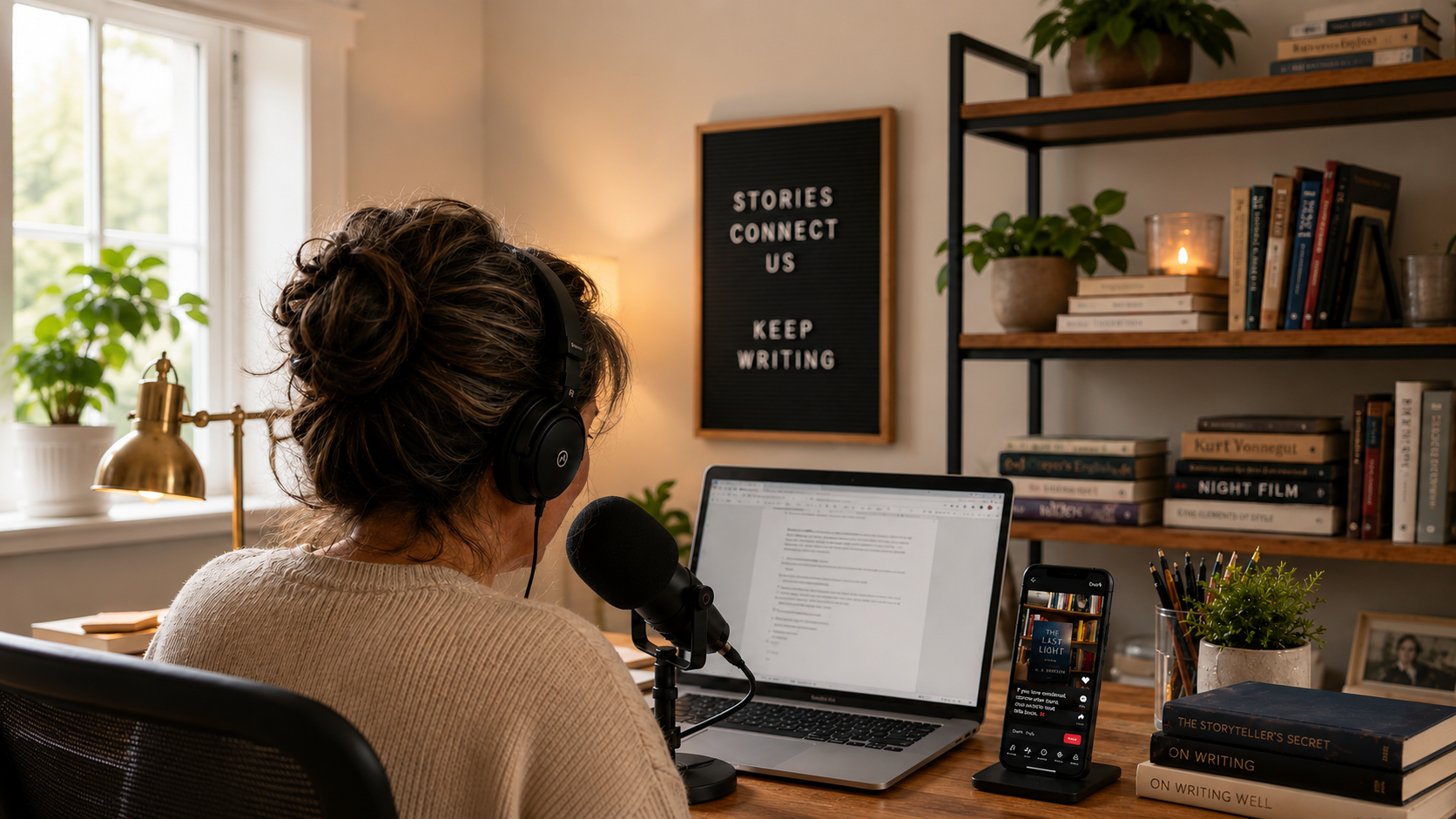
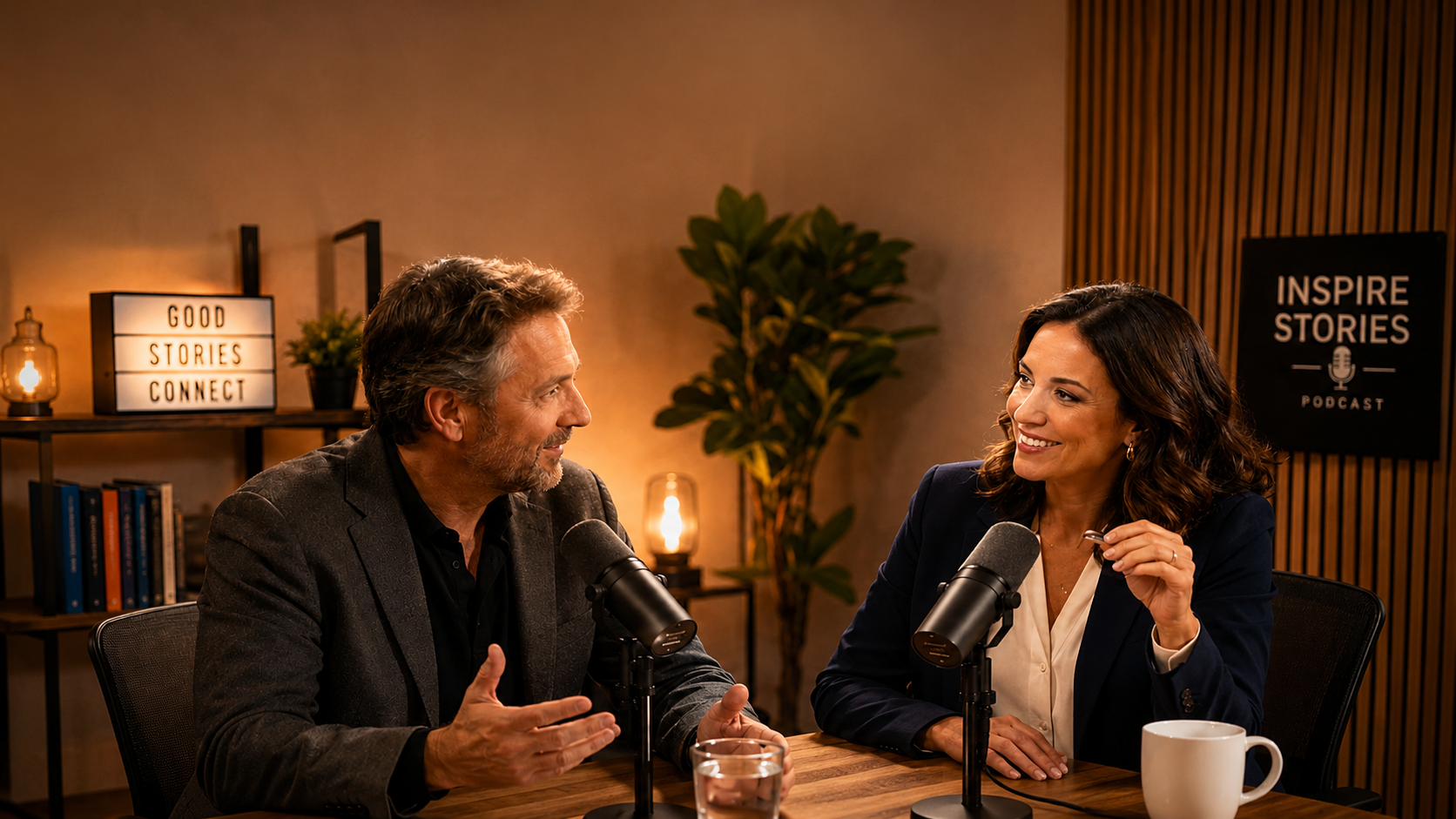
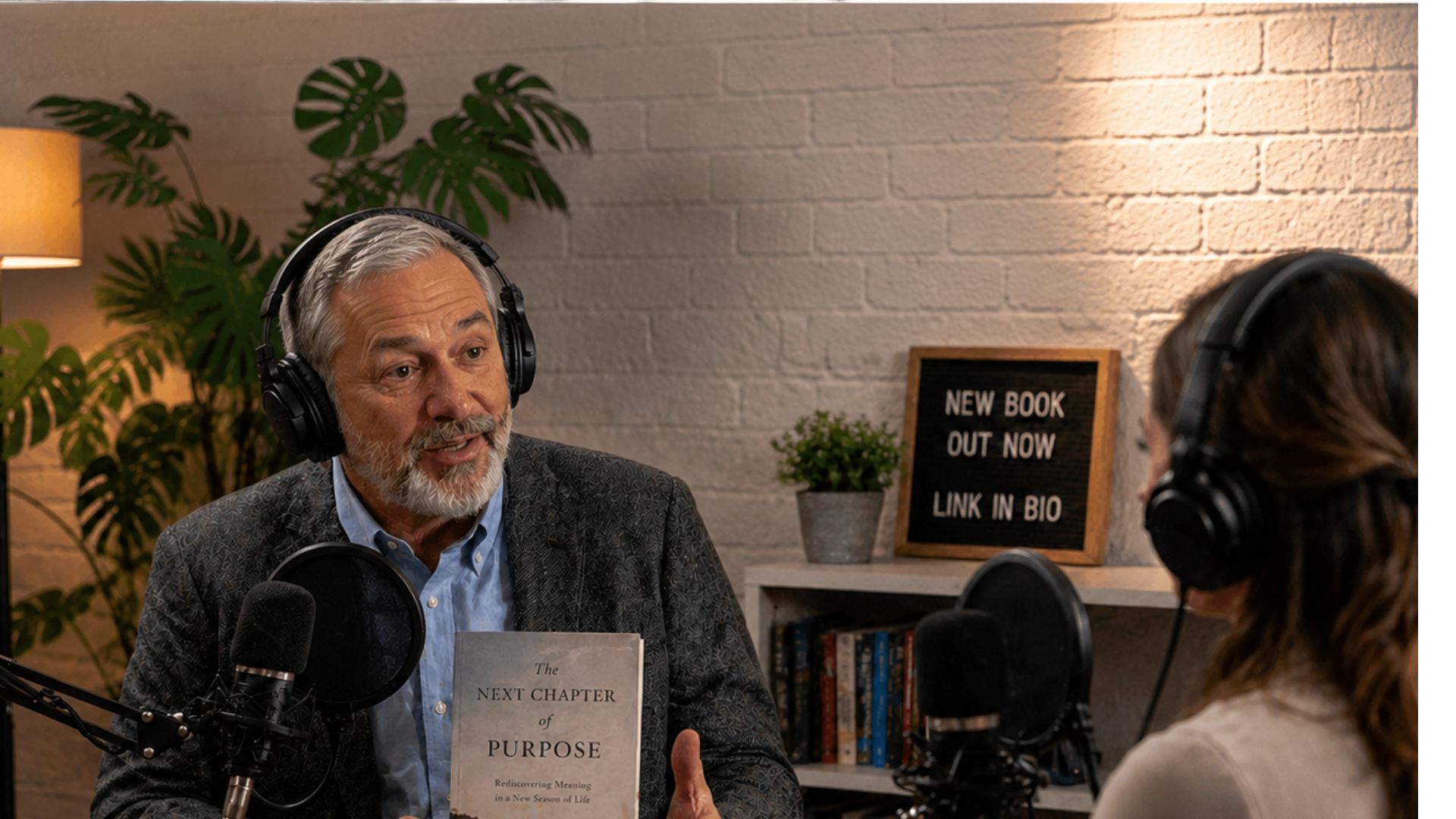
1. Use Podcast Guesting to Reach Readers Who Are Actually Listening
Podcasts are one of the most underrated book marketing ideas for debut authors because engaged listeners are more valuable than social media impressions.
You don't need to be famous to get booked on shows; you just need a clear hook that ties your book's angle to a specific topic like entrepreneurship or self-development. Pitching that angle professionally increases your chances of success.
For more guidance, Mic to Money is a free playbook that provides a straightforward guide on turning podcast appearances into leads and real results.
How to Use Social Media Strategically to Promote Your Book
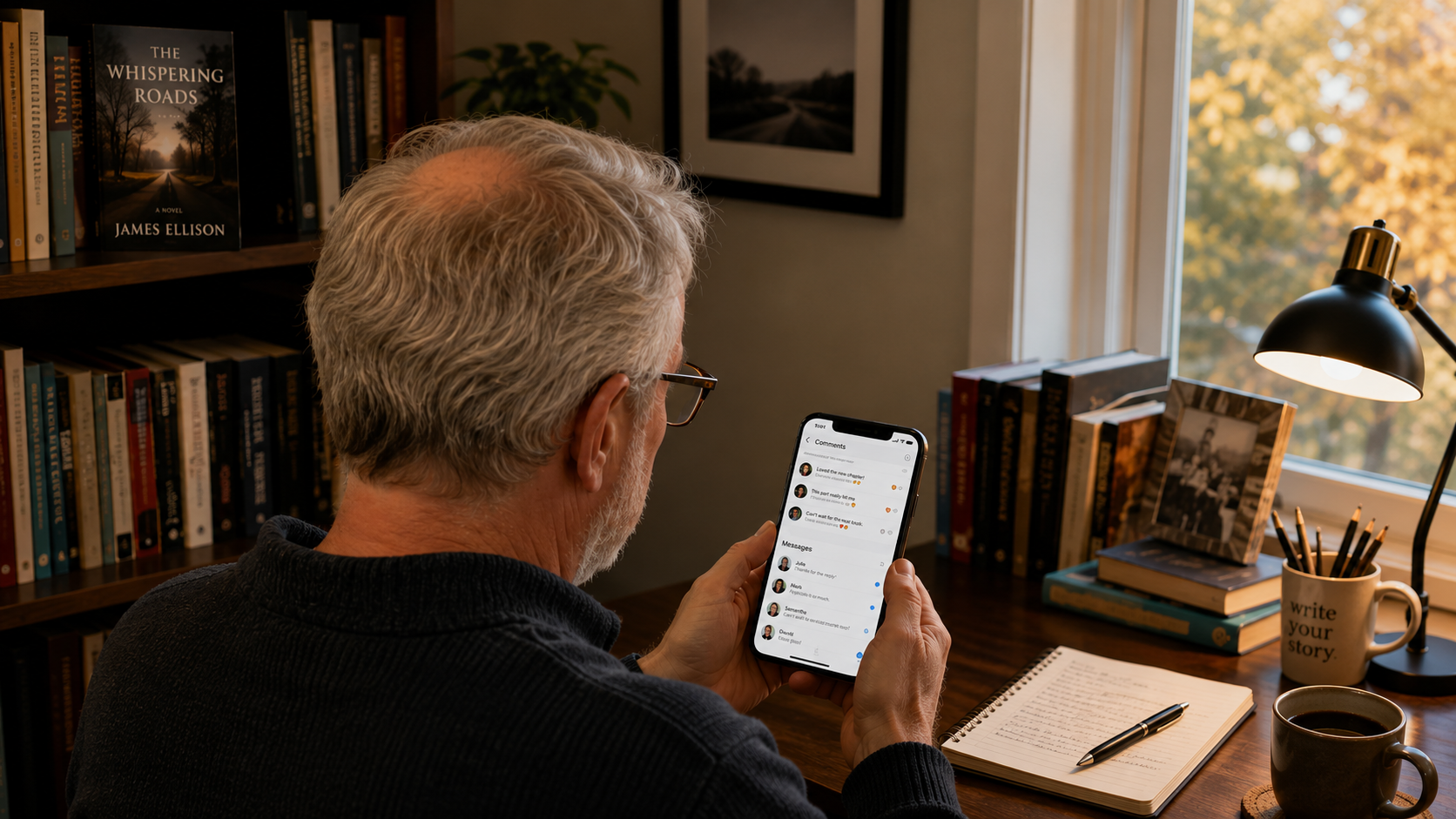
2. Build an Email List With a Reader Magnet
Algorithm shifts make social media unpredictable, but an email list provides a permanent, direct connection to your audience. The key is offering a "reader magnet," valuable free content like a bonus story, checklist, or first chapter, hosted on a simple landing page.
Maintain these relationships by emailing subscribers regularly with a friendly, informal tone. Sharing your inspirations and current projects fosters a genuine connection that outperforms standard marketing.

3. Get Into Local Bookstores and Libraries
Physical placement remains a powerful, high-conversion tactic. Independent bookstores often feature local authors who approach them professionally. Email a concise pitch offering consignment with a cover image attached. Libraries are equally accessible; most librarians appreciate donated copies for their catalog.
This kind of author platform building at a local level creates a ripple effect. You build a small but real audience in your community, get social proof, and suddenly you have something to point to when pitching bigger opportunities.
While you're thinking about book promotion, it's worth checking out the strategies covered in how to promote your book without paid ads for a deeper look at what actually moves the needle without ad spend.
10 Marketing Strategies to Promote Your Book on LinkedIn
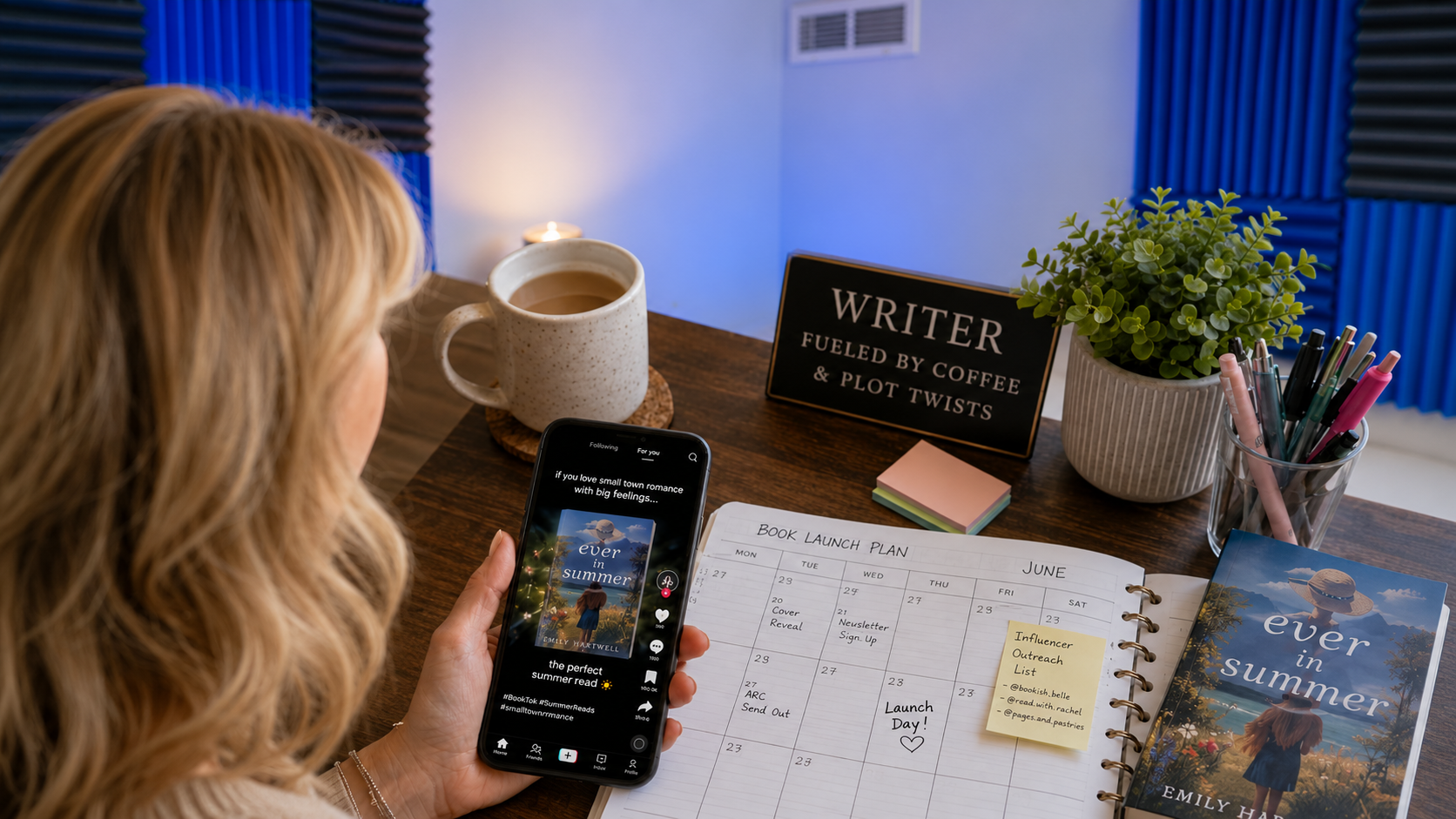
4. Show Up Consistently on One Platform
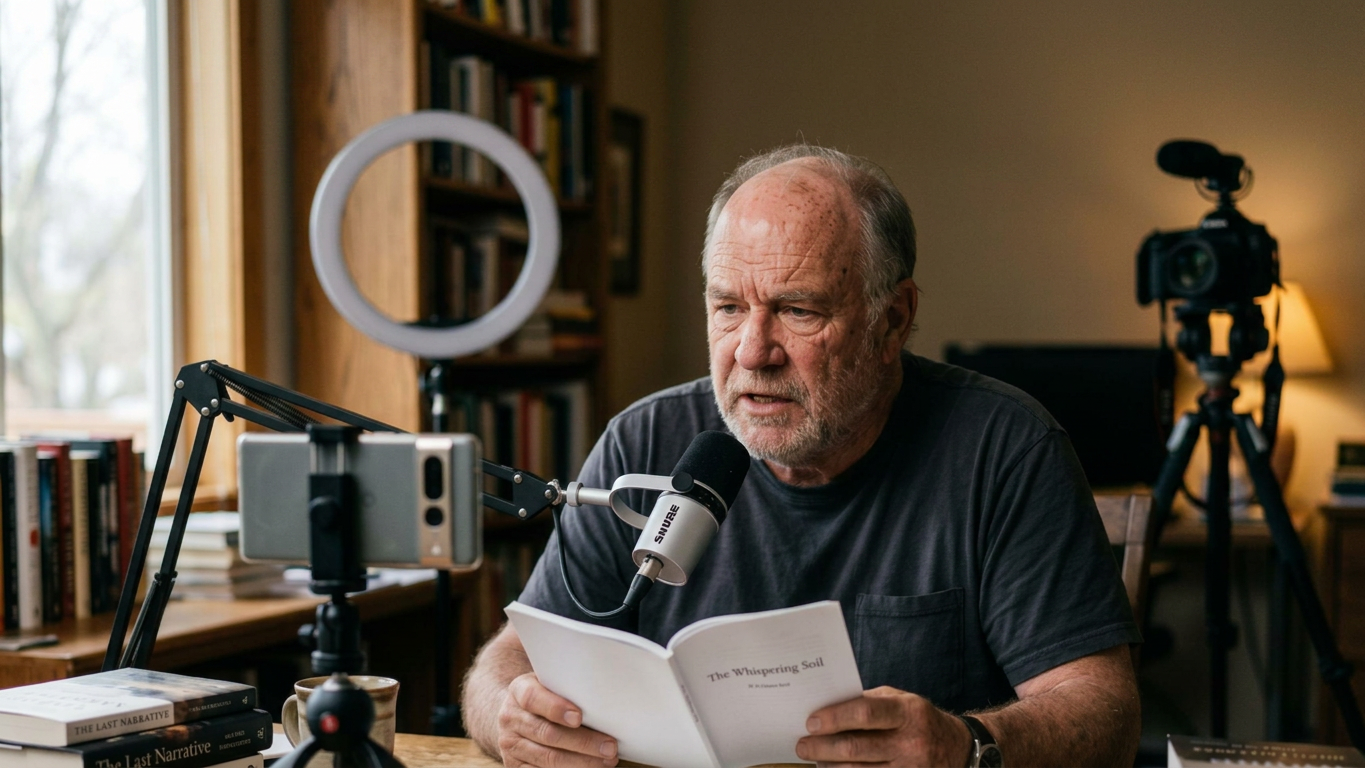
You don't need to be everywhere. In fact, trying to manage five social platforms at once usually means doing none of them well. Pick one platform where your likely readers already hang out and commit to it. That might be Instagram, TikTok, LinkedIn, or even a Facebook group. The platform matters less than your consistency on it.
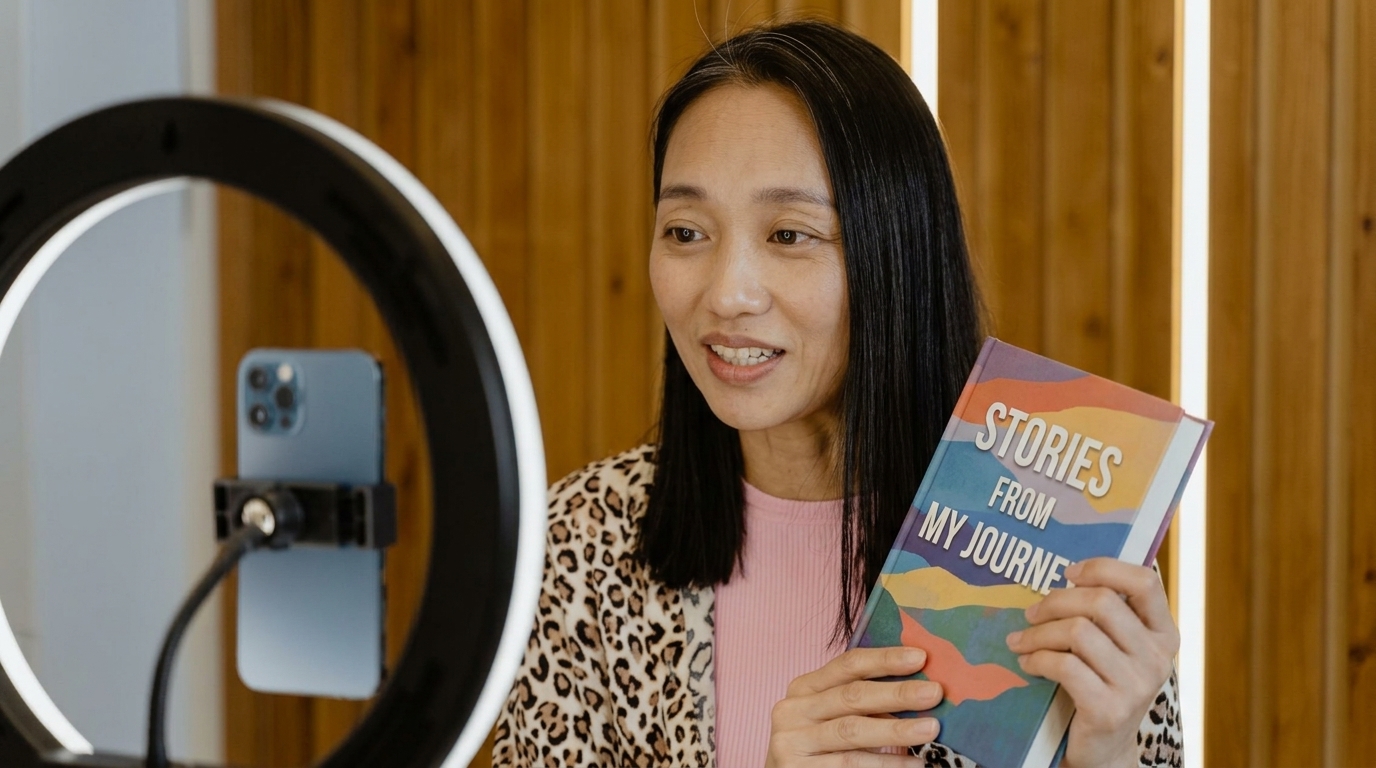
What you post doesn't have to be polished. Share your writing space. Post a photo of your research notes. Film a 30-second clip explaining one idea from your book. Authors like James Clear and Colleen Hoover didn't build their audiences by being perfect. They built them by showing up over and over with content that felt real.
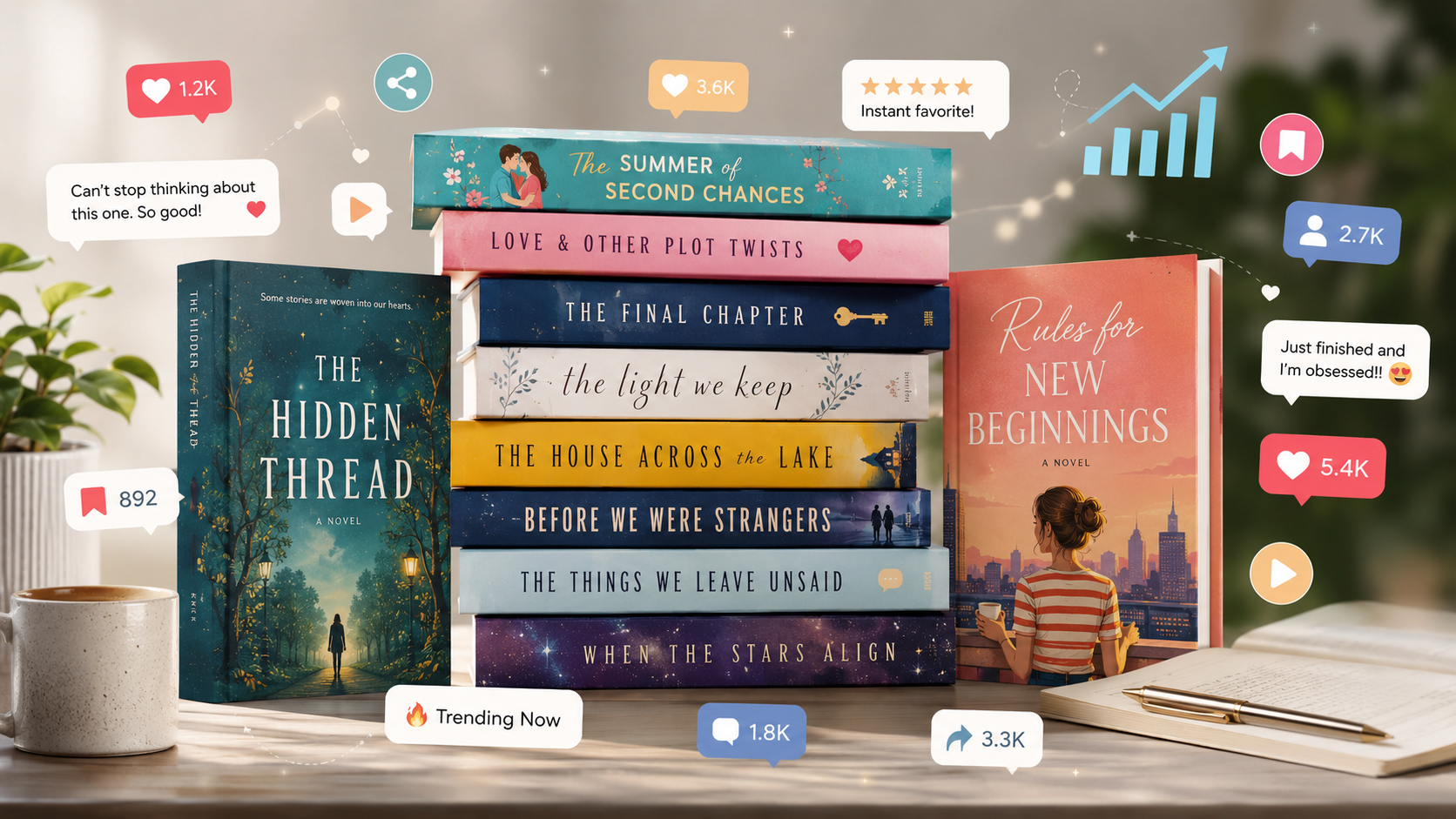
Having even a basic social media plan to promote your book makes a huge difference. Posting randomly when you remember is not a strategy. A 30-day plan with simple, repeatable content types keeps you moving without burning out.
If short-form video is part of that plan, the Viral Video Blueprint can help you turn author ideas into content that builds attention around your book.
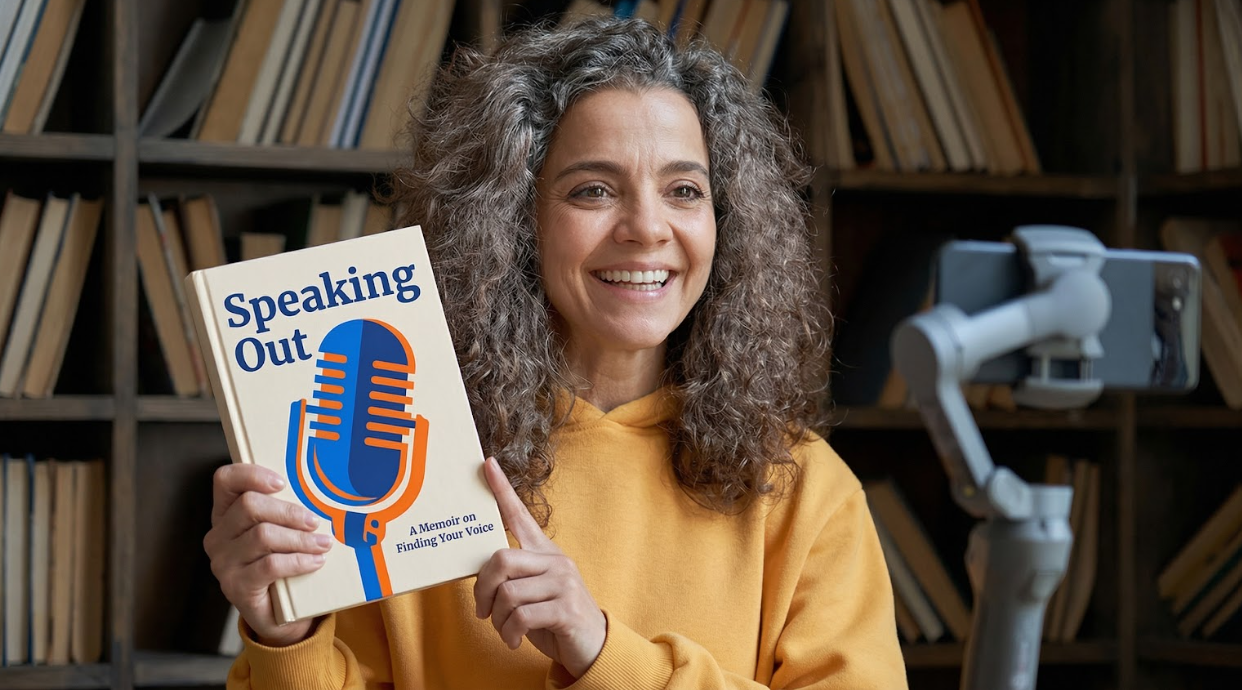
5. Pursue Book Reviews Early and Deliberately
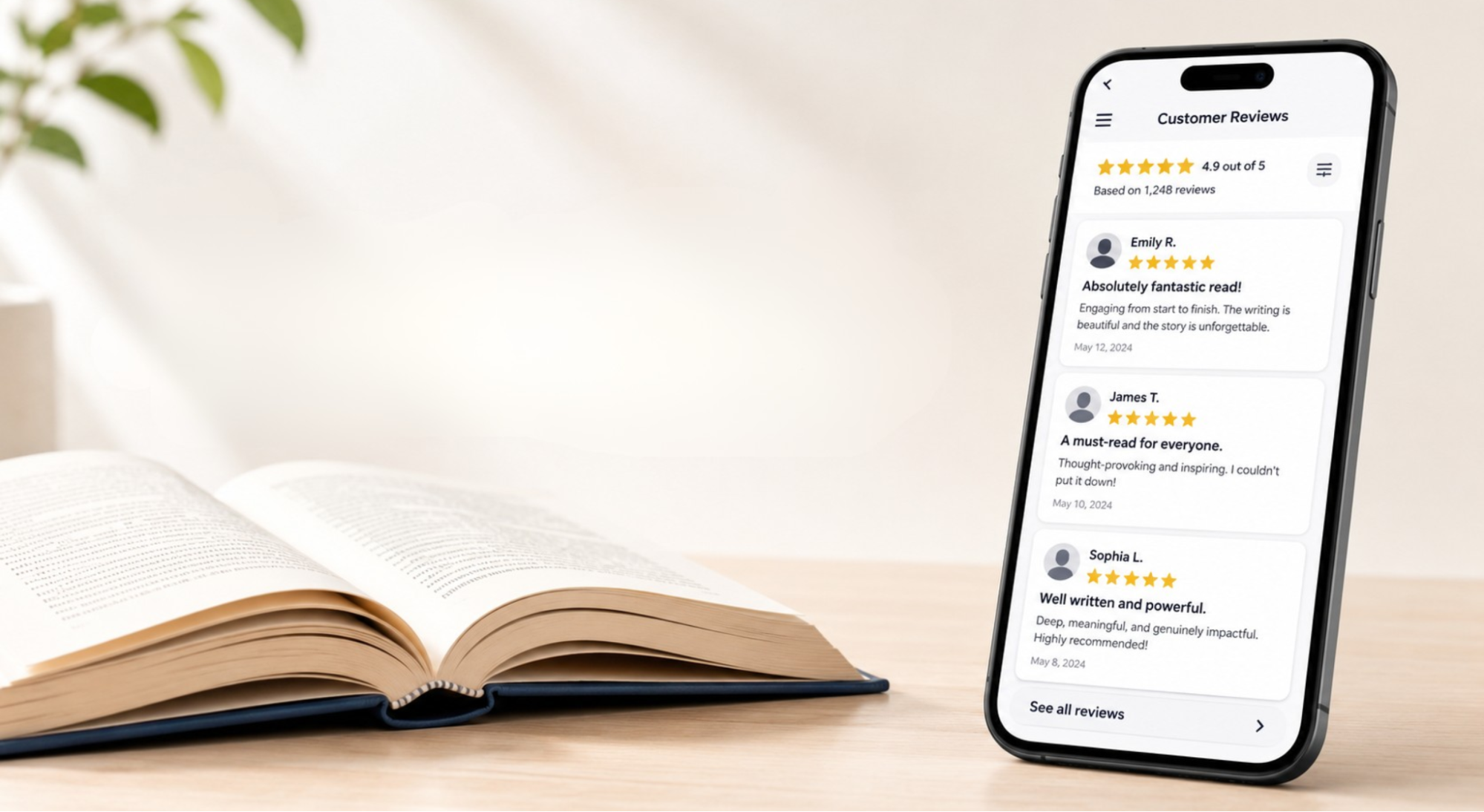
Social proof sells books to strangers, so don't hesitate to ask for reviews. Readers are often happy to help if the process is simple. Distribute advance reader copies (ARCs) to your network and genre-specific readers for honest feedback. Follow up with direct links to Amazon or Goodreads.
Utilize communities like NetGalley or BookSirens to secure 10 to 20 reviews before launch, which boosts visibility in search algorithms. These low cost book marketing tactics are available to any author regardless of budget. You don't need a publicist or a big ad campaign to make them work. You just need to be intentional and consistent about it.
If you want a step-by-step approach to building an author platform without paid ads, the FTS Pod guide on how to promote your book without paid ads breaks down the exact moves that work for first-time and indie authors.
Authors who want more free resources can also explore FTS Pod’s ebook library, which includes guides on authentic content, podcast monetization, AI visibility, and growth strategy.
The Real Advantage of Starting From Zero
There's actually something freeing about not having an audience yet. You can experiment without anyone watching too closely. You can try different angles, see what resonates, and build momentum without the pressure of protecting an established reputation.
Authors like Brandon Sanderson and Mel Robbins didn't start with massive platforms. They started with one reader, then ten, then a hundred. Knowing how to promote your book means building those relationships before you worry about scale. Use these strategies, stay consistent, and let the work compound.


























.jpg)

.jpg)
.jpg)
.jpg)
.jpg)
.jpg)













.webp)
.webp)

.webp)






.webp)


.jpg)

.webp)