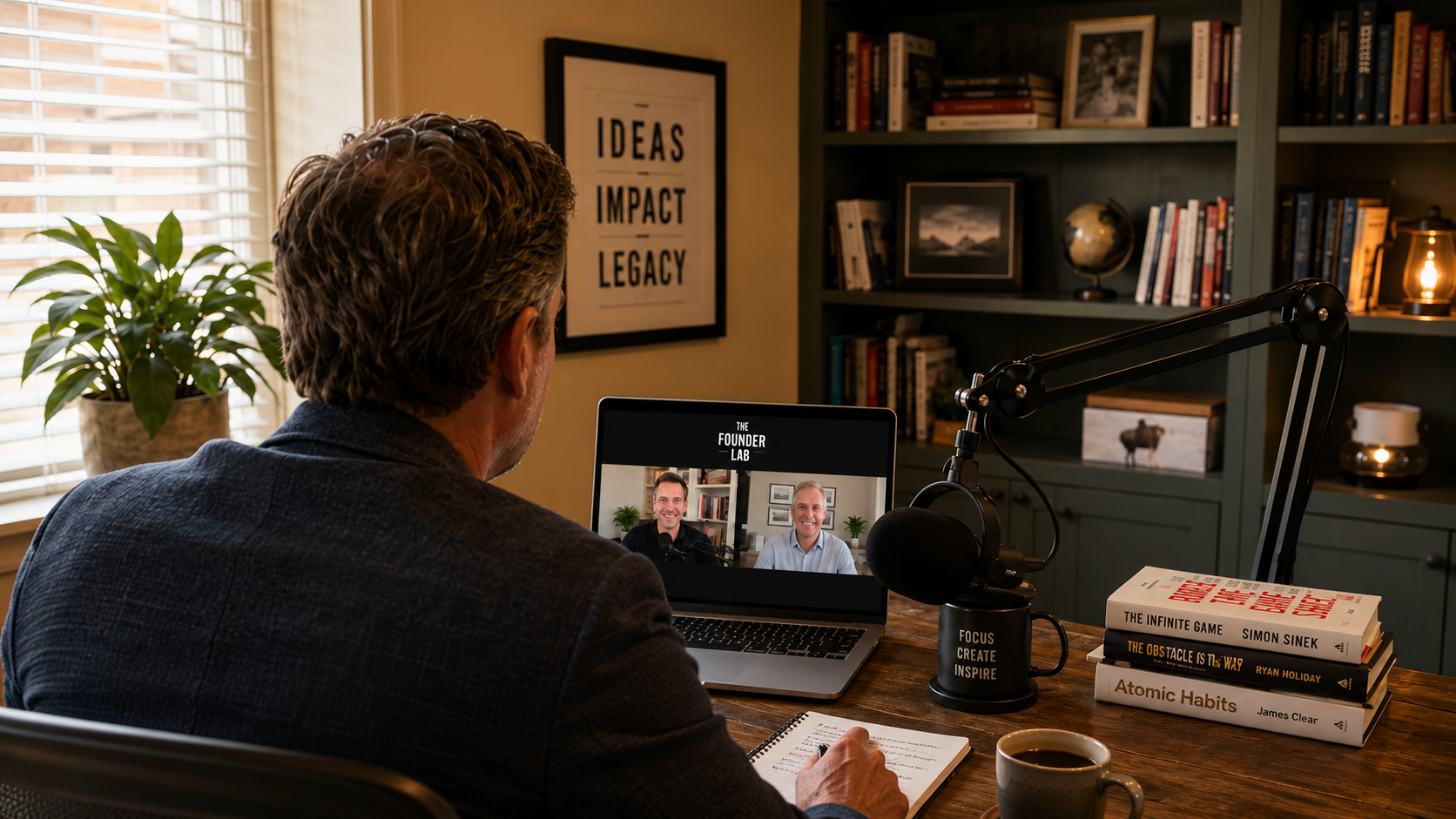

Authors often debate whether to prioritize podcasts or social media. While some seek guest spots on established shows, others focus on consistent posting to build a following. Both channels can drive sales, but their functions differ significantly when evaluating podcast vs social media for book promotion.
Misunderstanding these unique strengths can lead to wasted effort during a book launch. This guide analyzes what each platform delivers to help you invest your marketing hours effectively.
Key Takeaways
- Podcast guesting builds long-term author authority and drives concentrated sales spikes around each episode release.
- Social media works best for sustained visibility and everyday reader engagement, not one-time spikes.
- Podcasts convert listeners who already trust the host, while social platforms convert through repeated exposure over time.
- Authors who combine both channels consistently see stronger results than those who rely on just one.
- Your genre and audience age often decide which channel deserves the bigger share of your marketing time.
The Real Question Authors Ask: Podcast vs Social Media for Book Promotion?
With limited time and budgets, authors must choose channels with the best ROI. The debate over podcast vs social media for book promotion often comes down to how each platform handles authority; podcasts leverage established host trust for high-impact exposure, while social media requires frequent engagement to build community. Consequently, a single interview often outweighs numerous social posts in immediate conversion value.
Proven Ways to Promote Your Book on YouTube LinkedIn TikTok Instagram and Facebook
How Podcast Marketing Moves the Needle for Book Sales
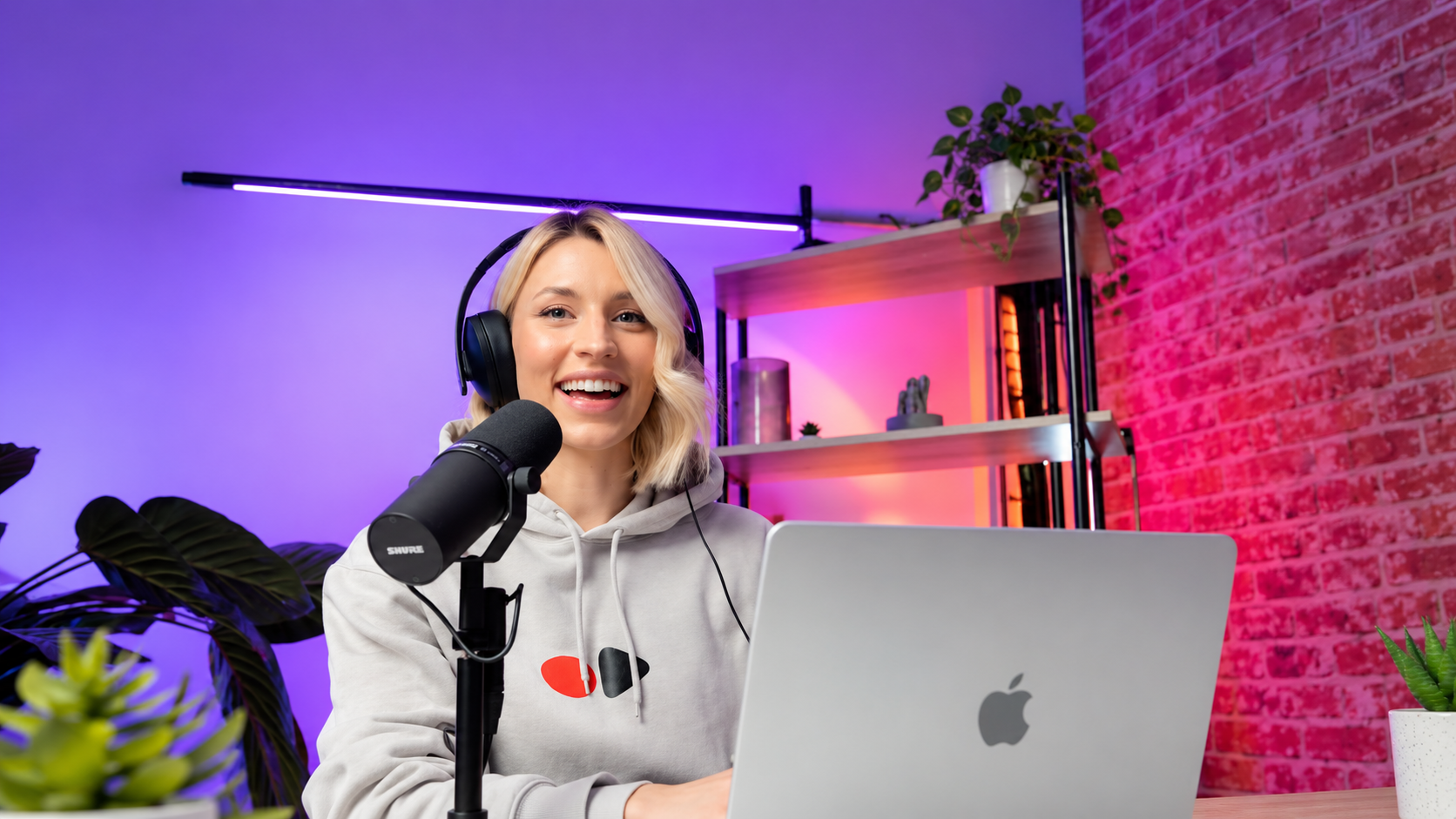
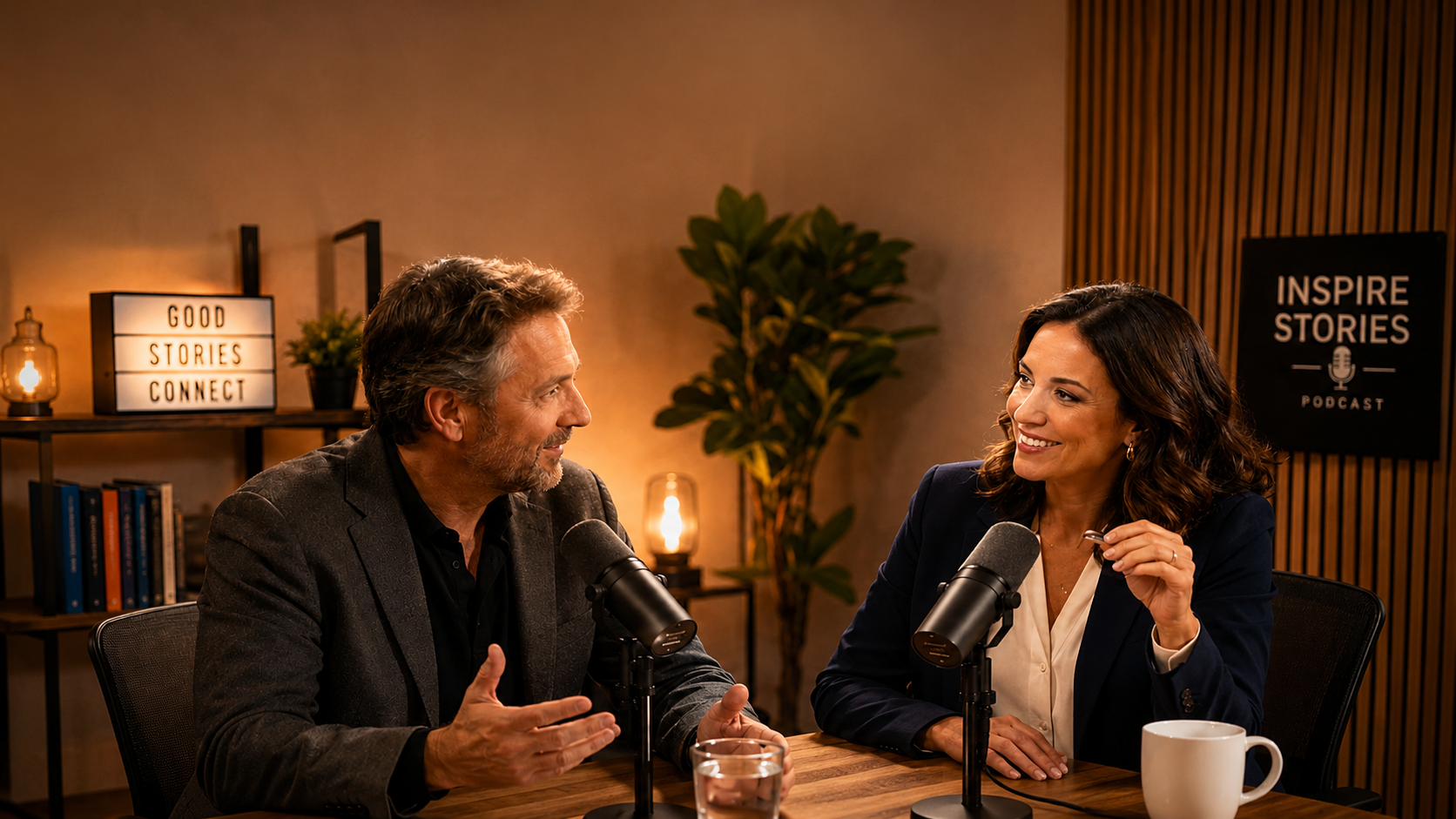
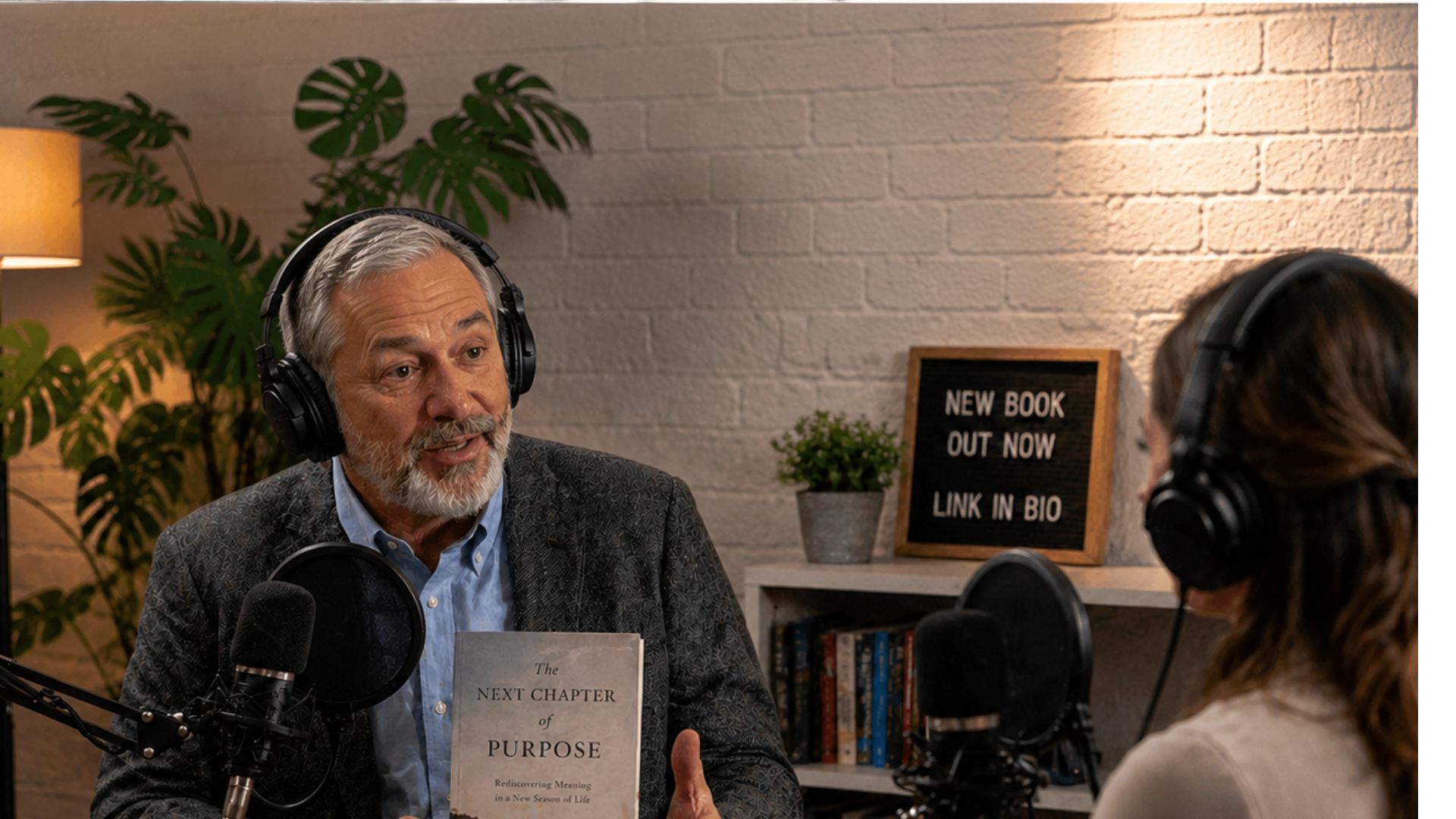
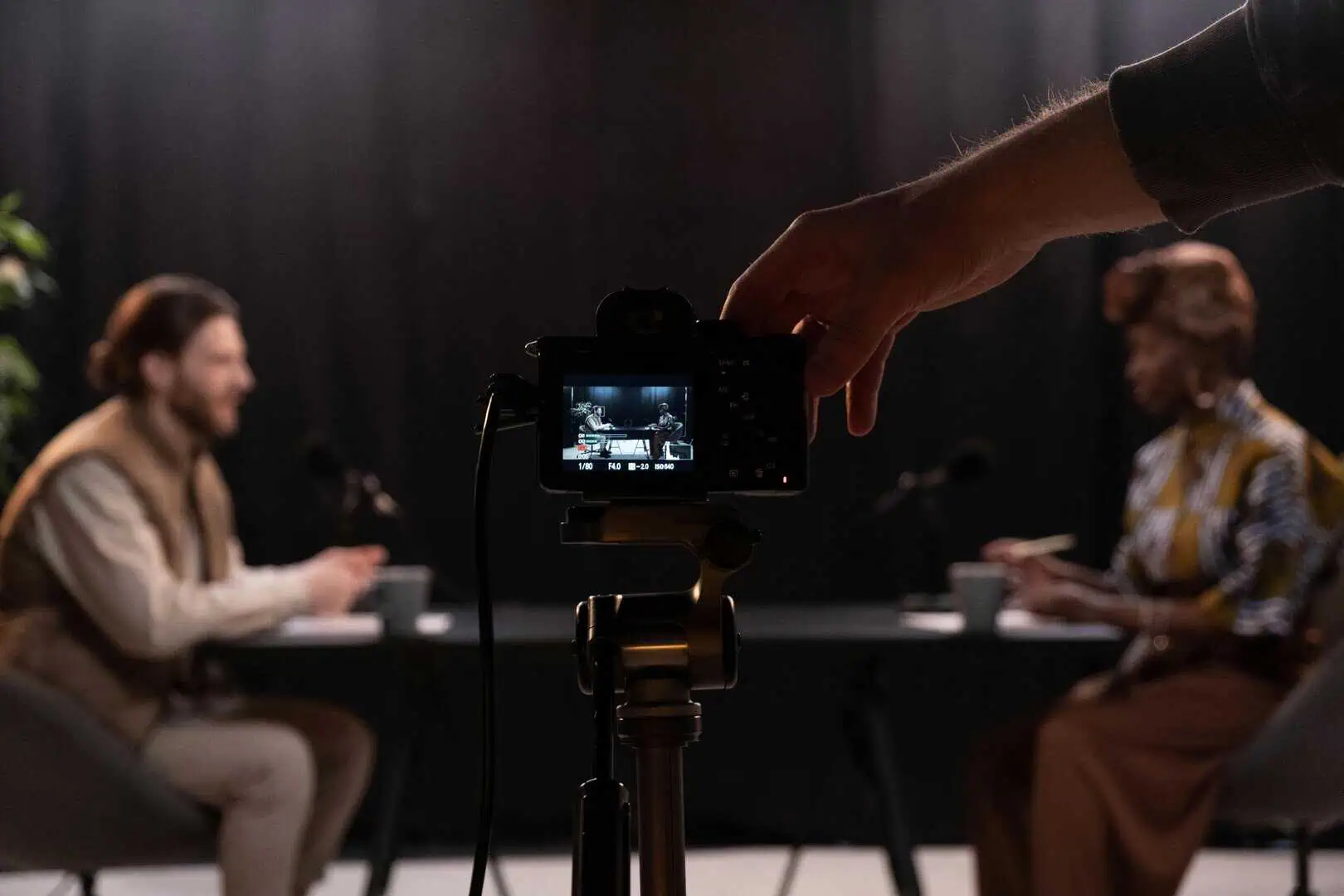
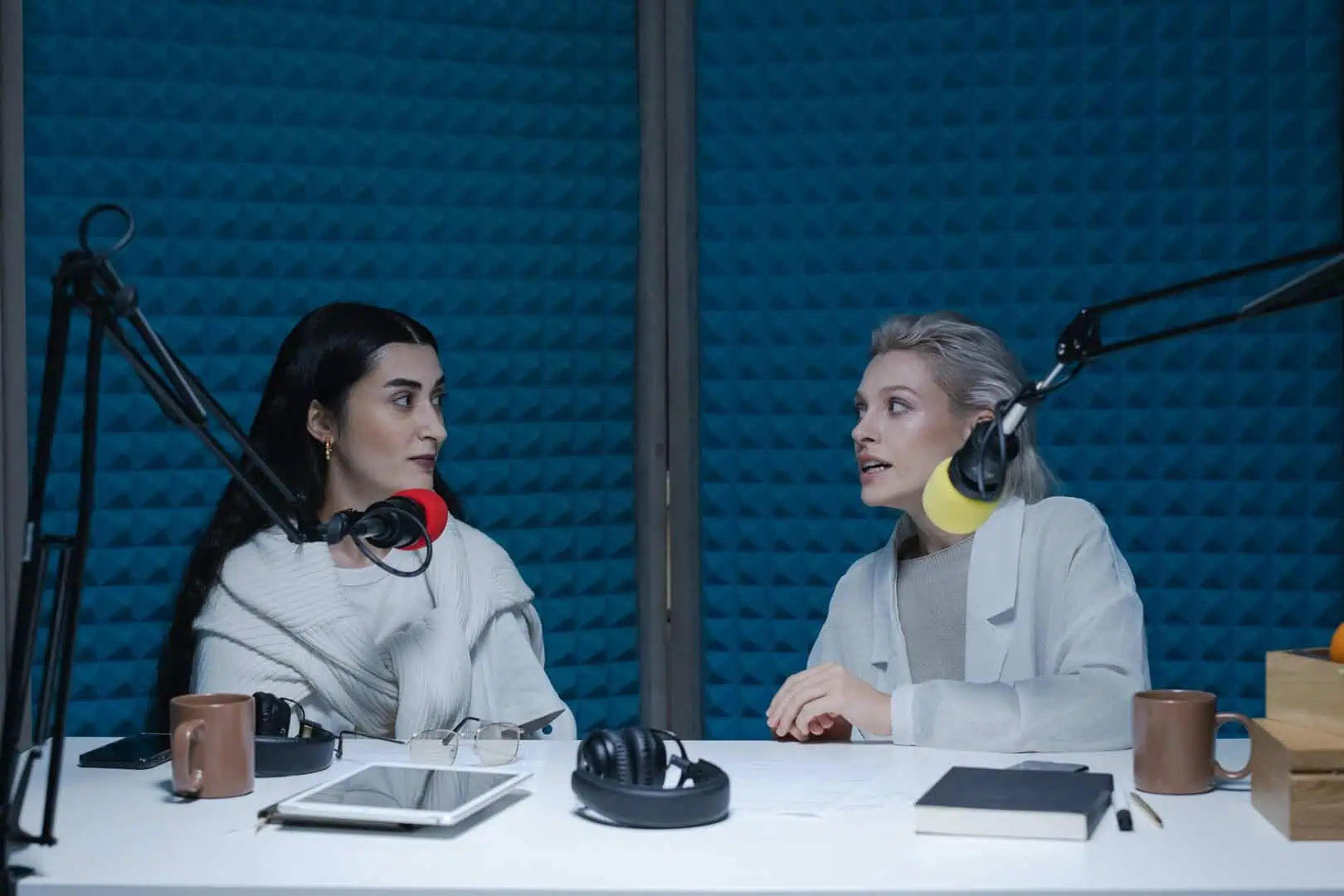
Podcast guesting leverages host trust, often generating more sales than weeks of social posting, particularly for nonfiction expertise. Mel Robbins used this strategy to build a consistent author platform.
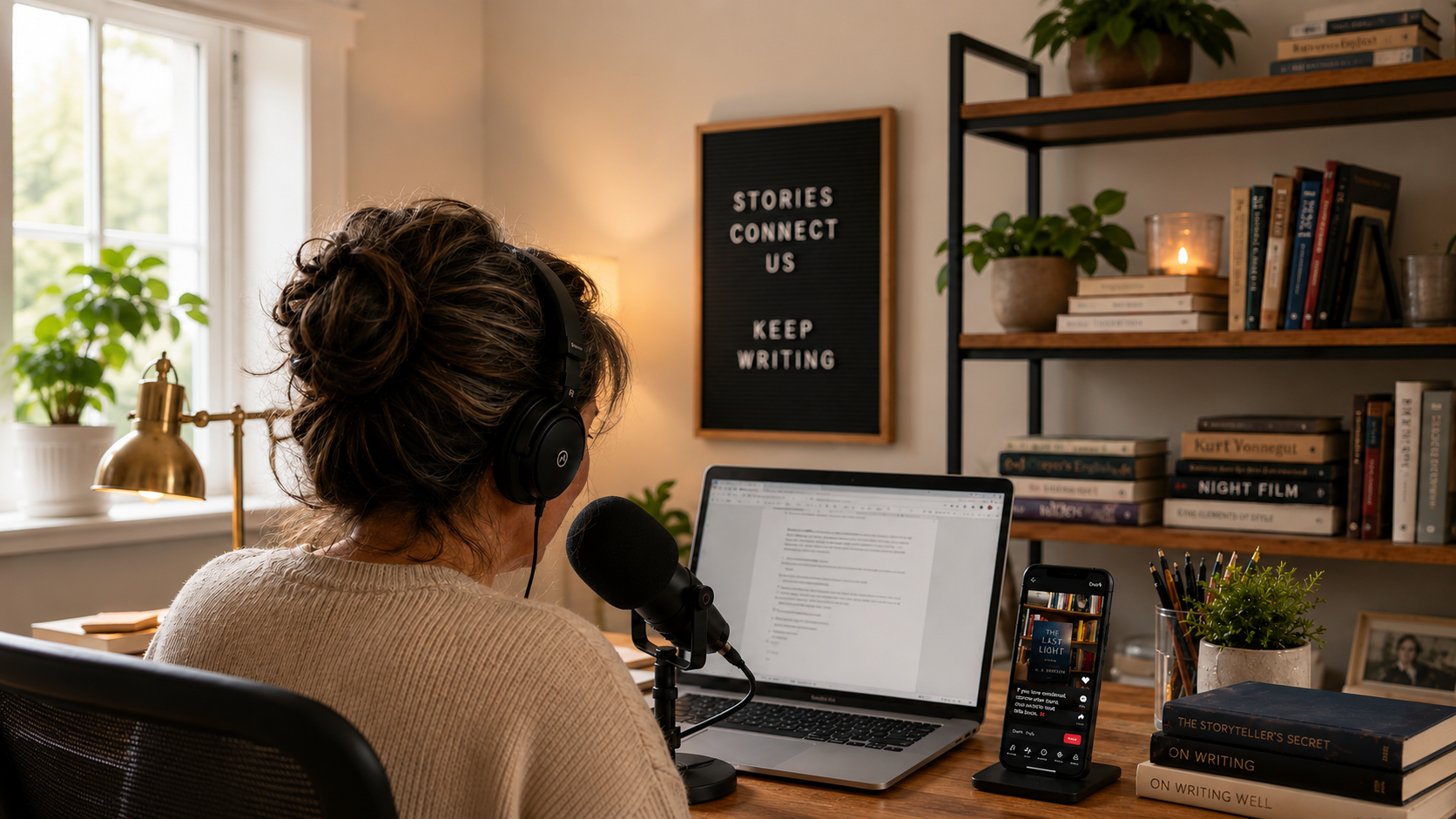
Podcast guesting also compounds. Every appearance becomes a piece of content you can clip, share, and repurpose, and many authors have used podcast tours to string several interviews together around a single launch window, turning a handful of episodes into a sustained wave of visibility instead of one short spike.
If you want a structured way to turn those appearances into actual revenue instead of just exposure, Mic to Money walks through the exact steps for converting guest spots into leads and signed clients.
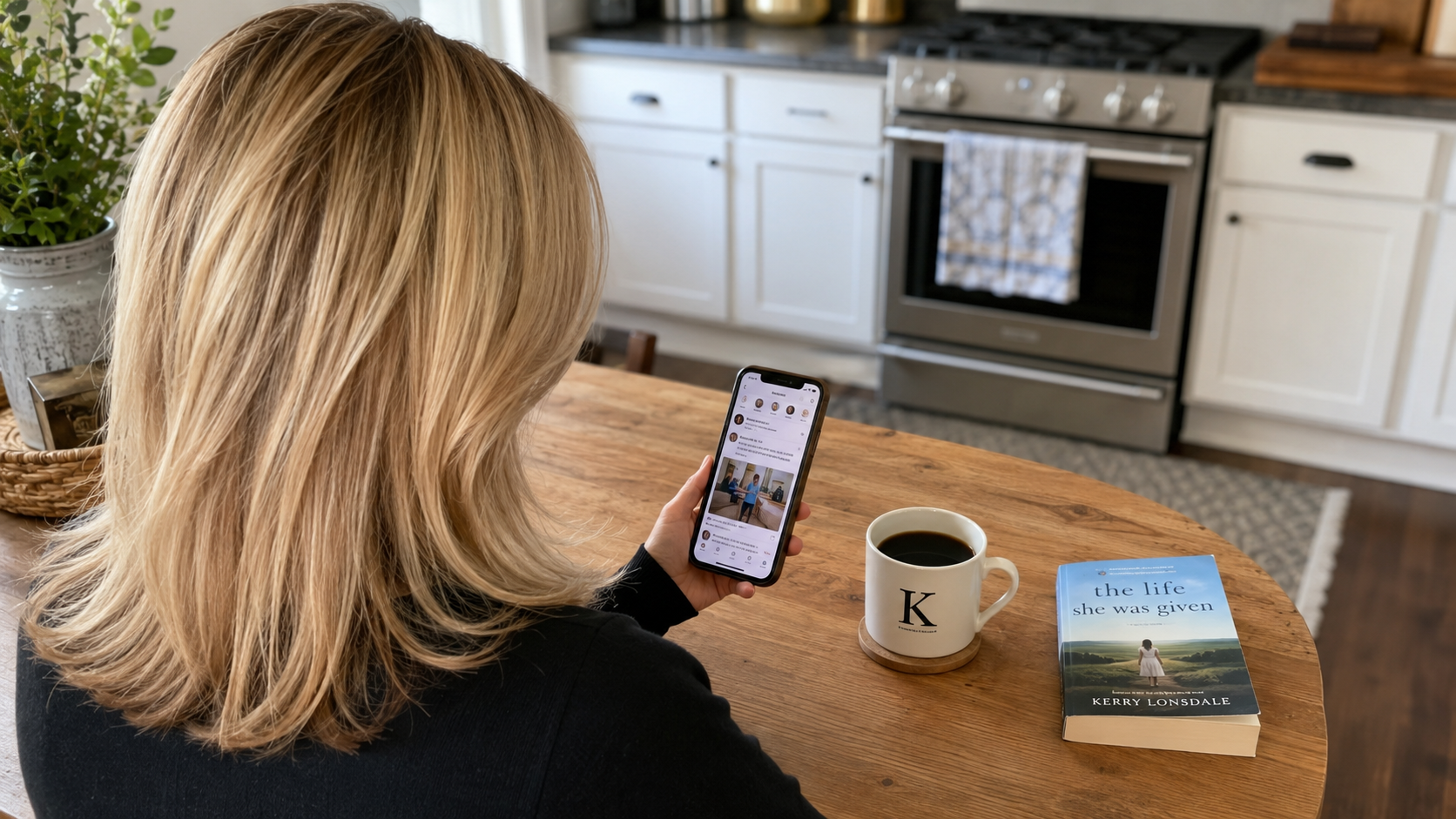
What Social Media (Including Bookstagram) Actually Delivers
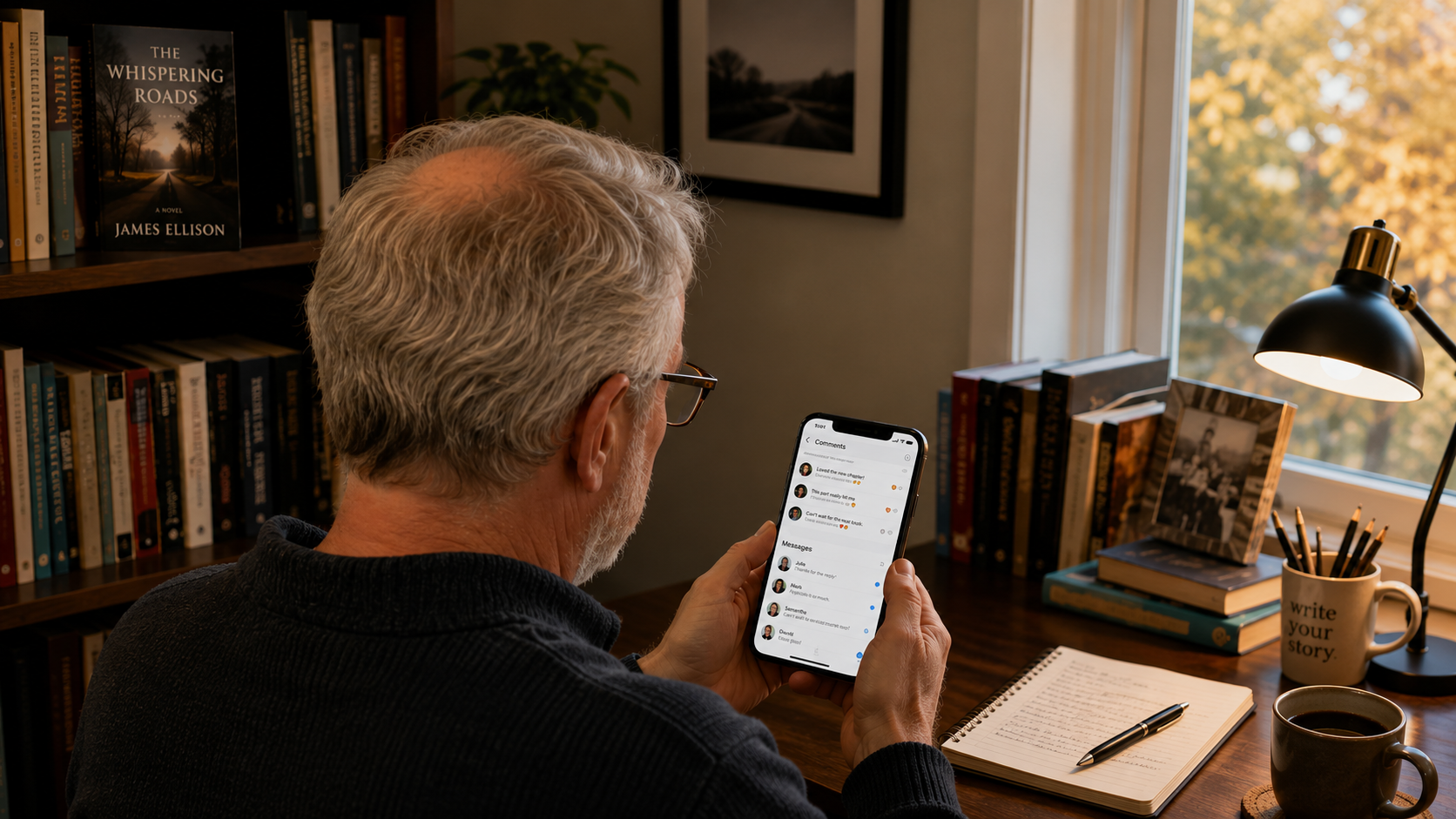
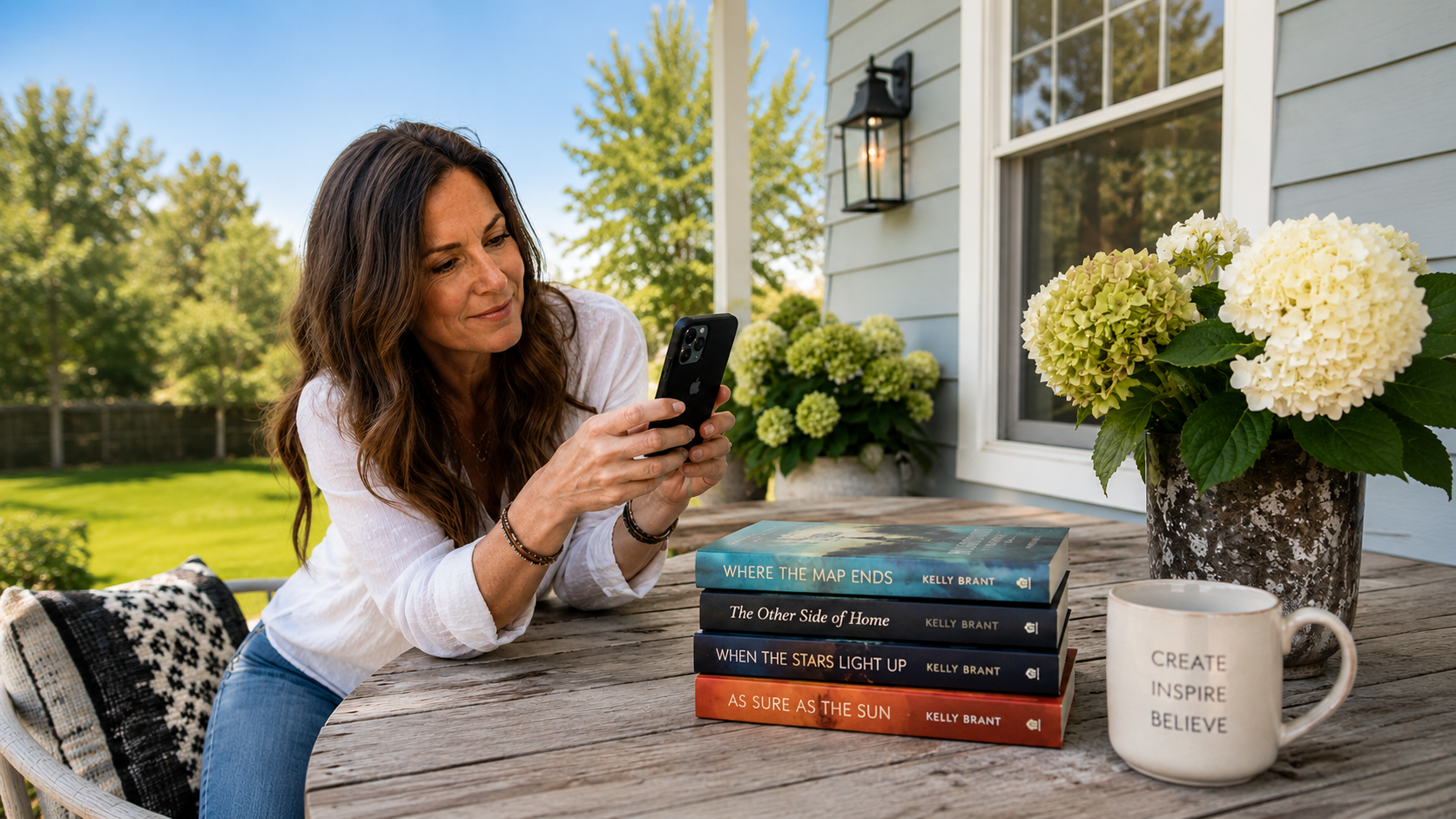
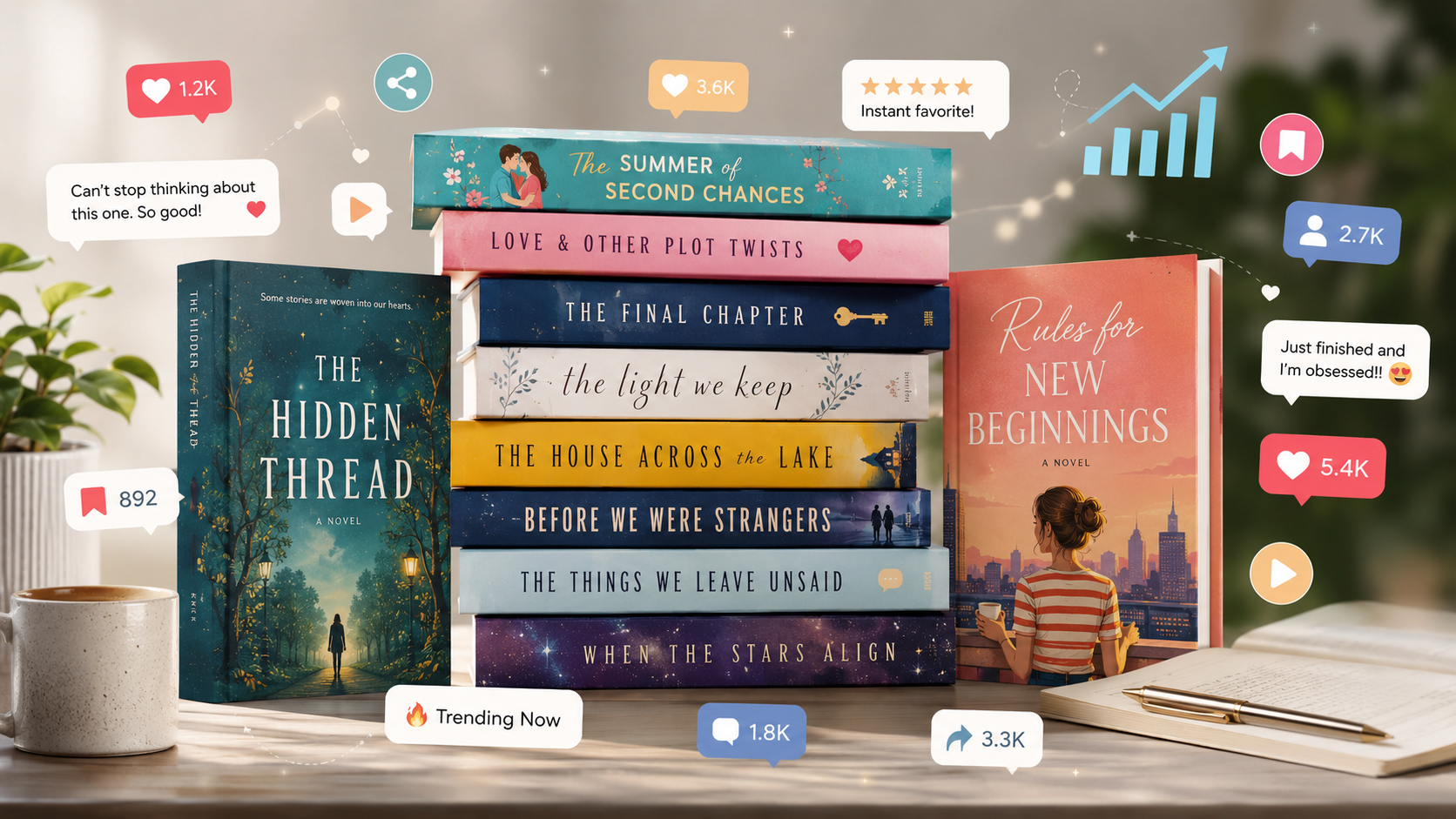
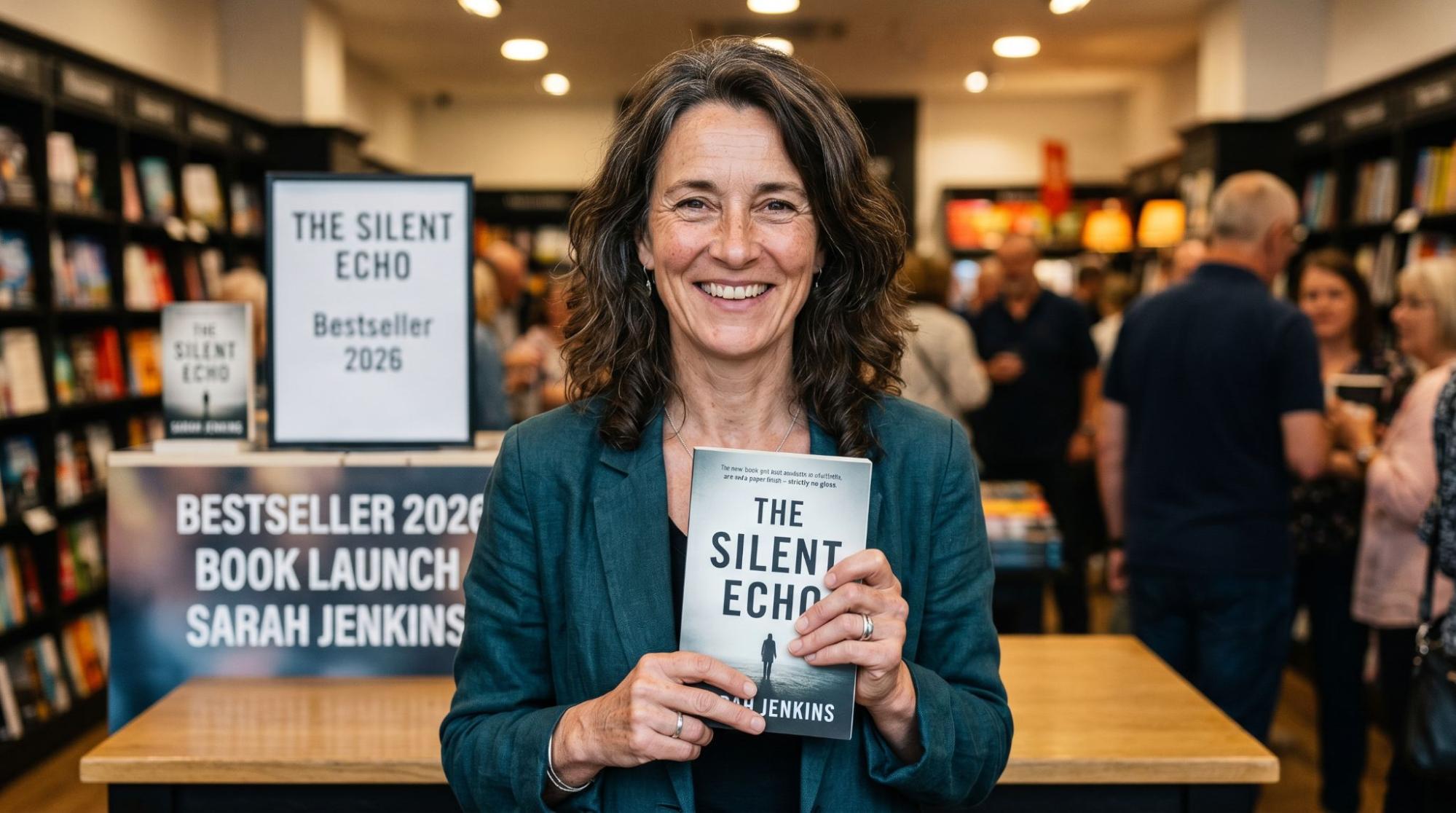
Social media is a long-term strategy where consistent presence, rather than isolated posts, builds buyer trust. When considering podcast vs social media for book promotion, platforms like Bookstagram favor authentic engagement over self-promotion. Colleen Hoover illustrates this, having cultivated a massive readership through years of steady posting rather than a single viral event.
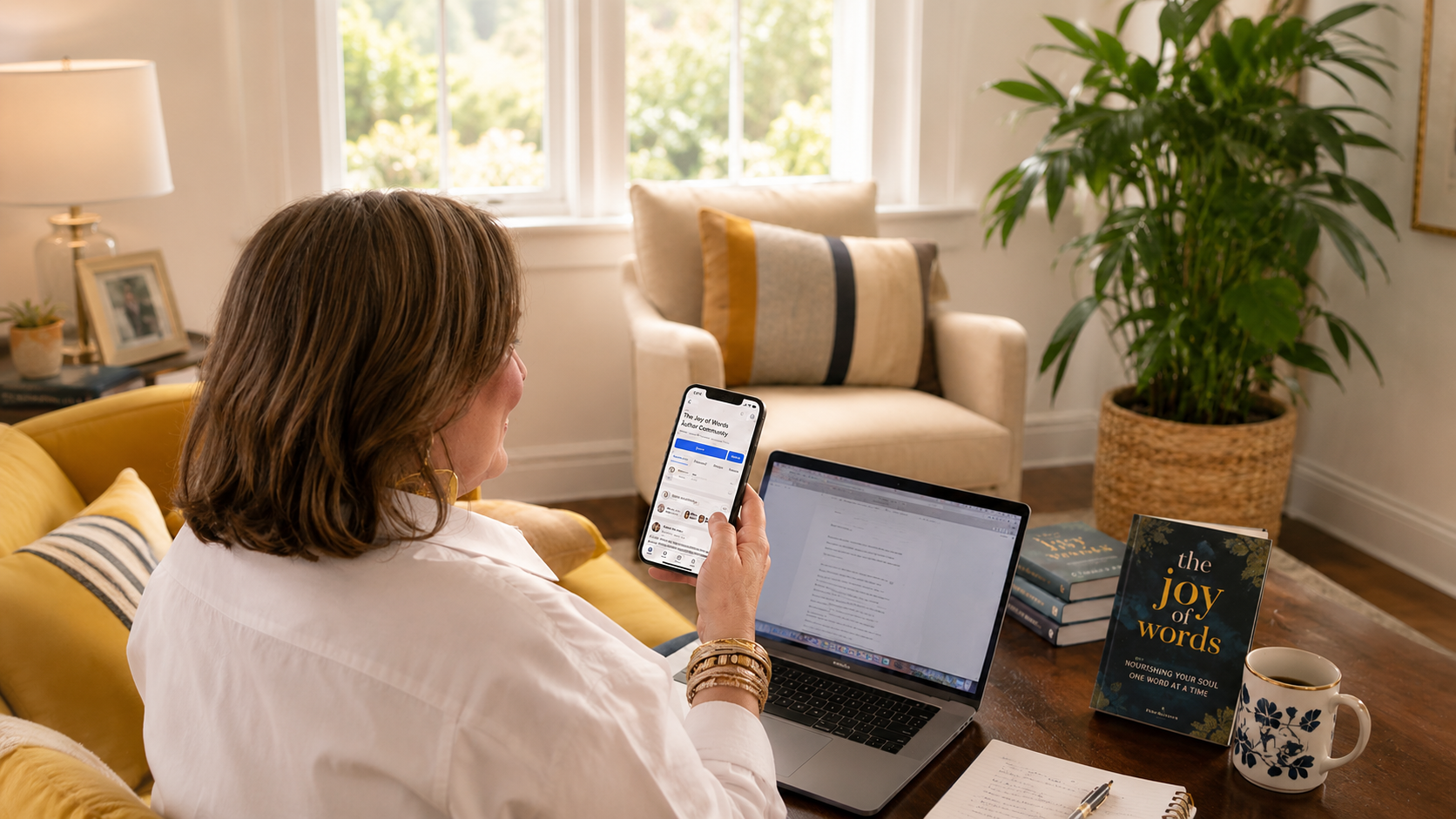
For authors just getting started, a mix of social media tactics paired with a few proven book marketing ideas can build that early momentum without requiring a big budget or a large team.
Where the Two Channels Overlap and Reinforce Each Other
The most effective authors don't pick one channel and ignore the other. Instead of viewing it as a choice of podcast vs social media for book promotion, they use podcasts to build authority and social media to sustain visibility between appearances. A podcast interview gives you a clip worth posting, and a social following gives a podcast host a reason to book you in the first place, since most shows now check an author's platform before extending an invite.
This is also where platform audience influence becomes obvious. Readers who follow an author across multiple channels convert at a higher rate than those who only see one touchpoint, because repetition builds familiarity and familiarity builds trust.
That's part of why viral book sales moments rarely come from a single post. They usually follow weeks of smaller, connected content across formats, not one lucky video.
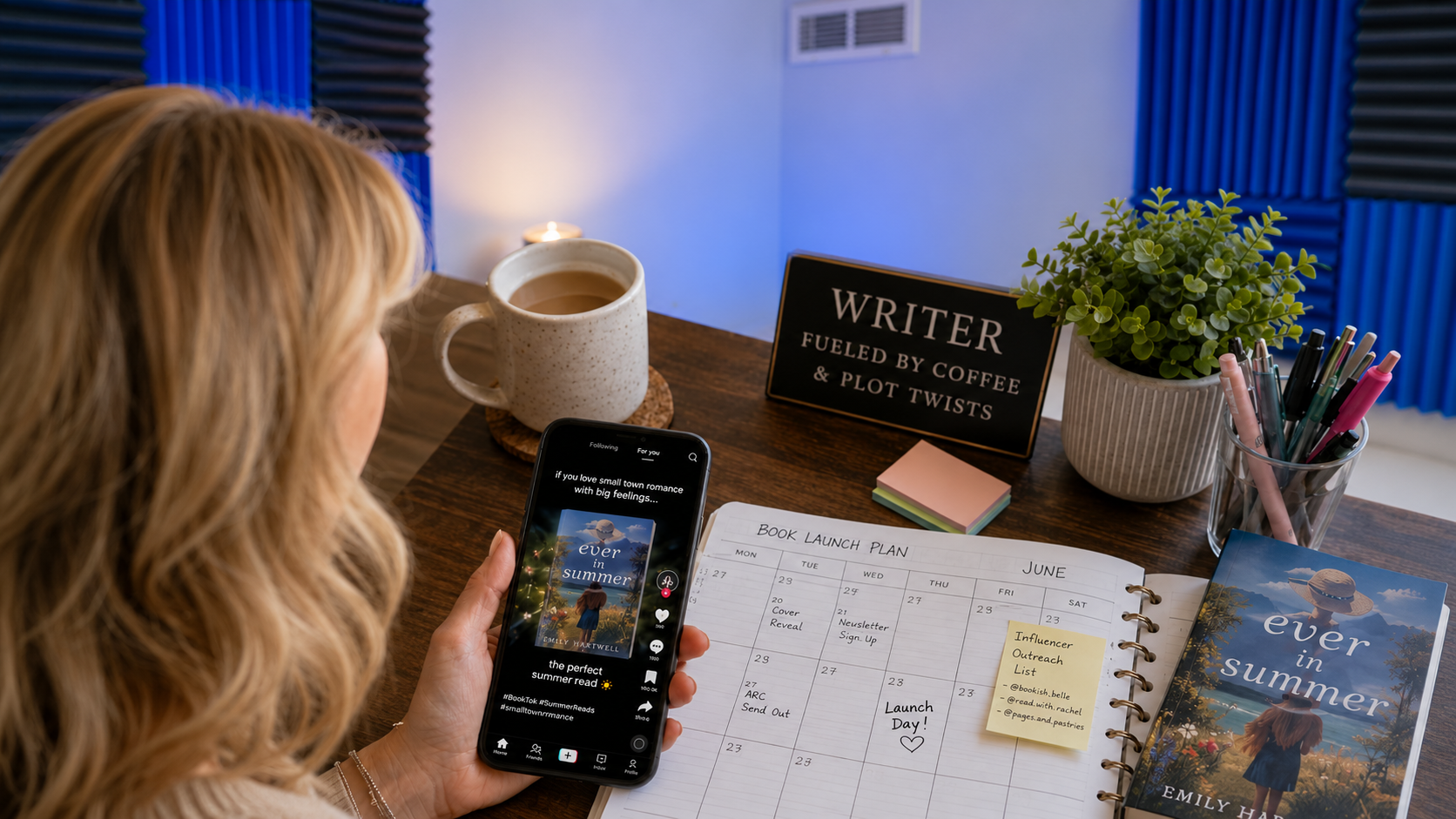
10 Marketing Strategies to Promote Your Book on TikTok
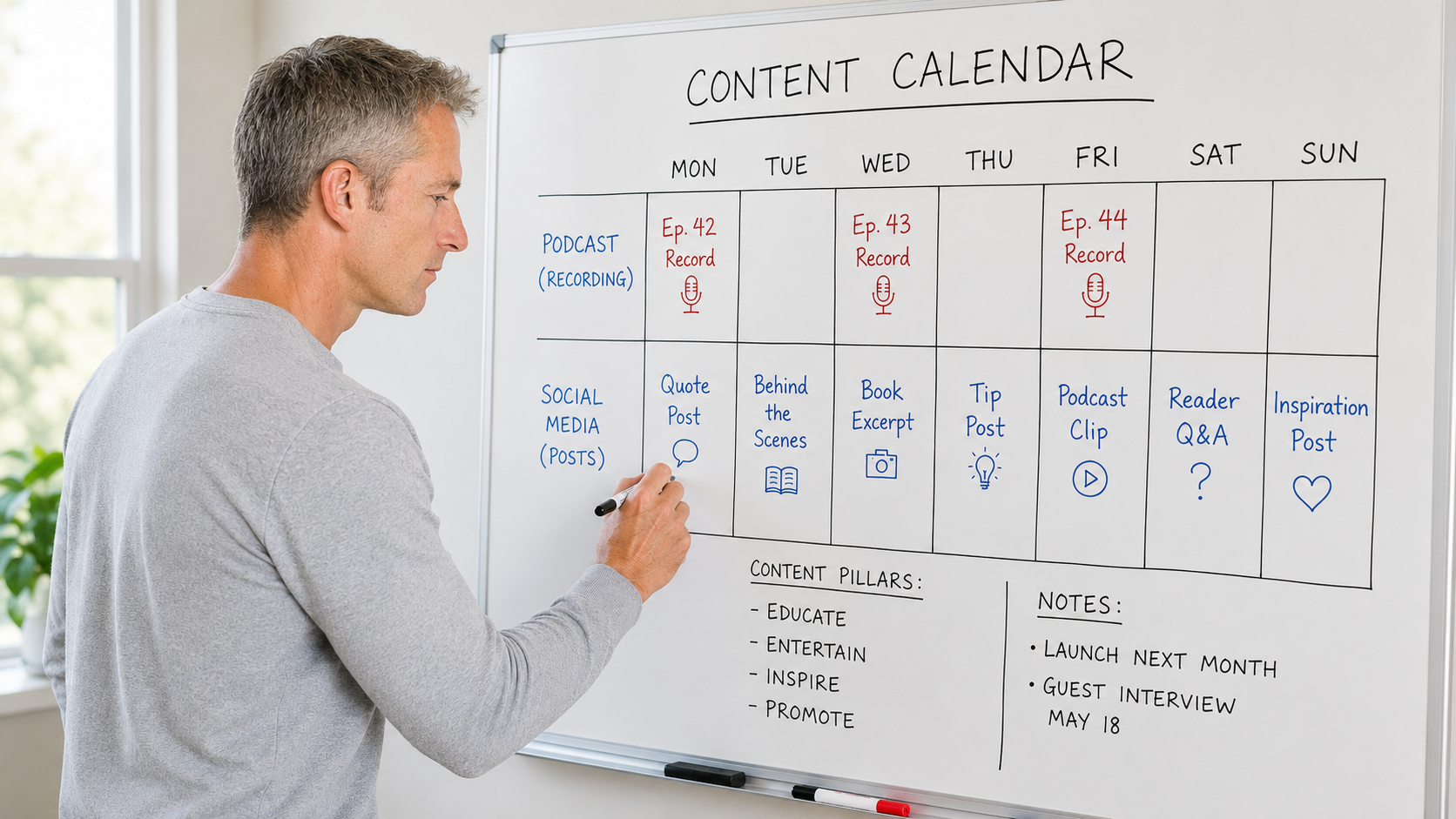
How to Decide Which Channel Deserves Your Time First
There's no universal answer for the podcast vs social media for book promotion dilemma, but three factors usually settle it for most authors.
1. Consider Your Genre and Audience Age
Nonfiction and business authors often thrive through podcast guesting with listener-heavy audiences. Conversely, romance and fantasy authors, like Brandon Sanderson, see faster results on visual platforms by using covers and world-building tropes.
2. Weigh Your Available Time and Team
Podcast guesting takes pitching, prep, and follow-up, but each appearance can keep working for months afterward. Social media takes less prep per post but demands steady output to stay visible. If you're working solo, pick the channel that fits the time you actually have, not the one that looks best on paper.
3. Look at Your Current Book Stage
Pre-launch authors often benefit more from podcasts, since interviews take weeks to book and need lead time before release day. Authors with a backlist benefit more from steady social content, since older titles need ongoing visibility rather than a single announcement. Getting a clear picture of effective book marketing for your specific stage, whether that's launch, mid-career, or backlist, makes the channel decision much easier.
Once you know which channel fits your stage and audience, the next step is turning that channel into consistent content instead of occasional bursts. Creating Authentic Content in the Age of AI covers how to build a sustainable content system for whichever platform you choose, from planning to distribution.
The Bottom Line
Neither podcasts nor social media wins this comparison outright, because they're built for different jobs. Podcasts build trust fast with an audience that already exists. Social platforms, including bookstagram, build trust slowly with an audience you grow yourself, post by post.
Most authors who see consistent sales use both. Start with the channel that matches your genre and your bandwidth, then add the second one once the first feels manageable.






















.jpg)

.jpg)
.jpg)
.jpg)
.jpg)
.jpg)











.webp)
.webp)

.webp)




.webp)


.jpg)
.webp)