

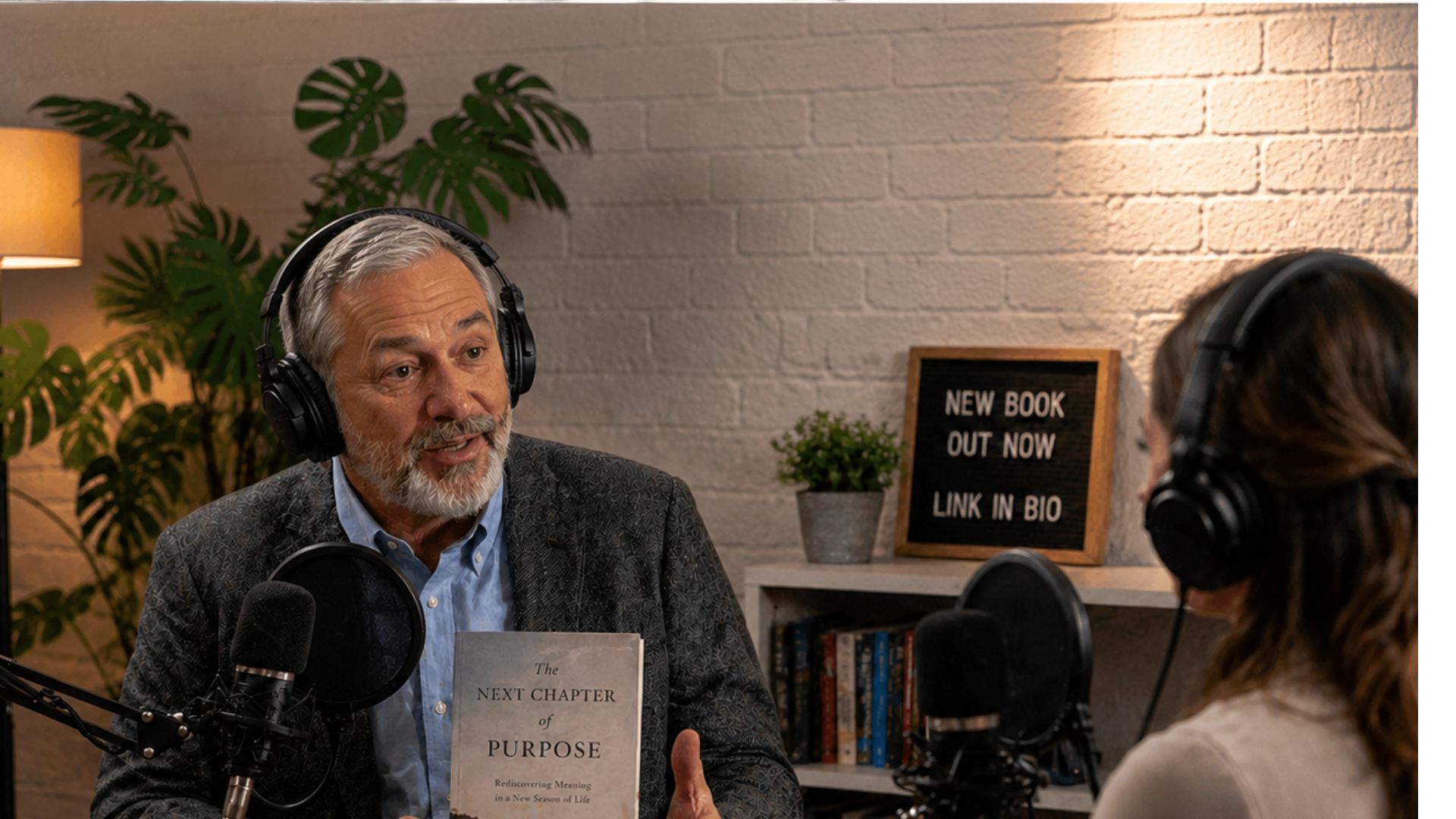
Most authors start thinking about ARC readers once the manuscript is finished, the cover is done, and a release date is set. By then, the recruitment window is short and the pressure to fill it is high. There is an earlier option: using podcast appearances while you are still writing to build a list of interested readers who are waiting for the book before it has any of the polished marketing assets a launch usually depends on.
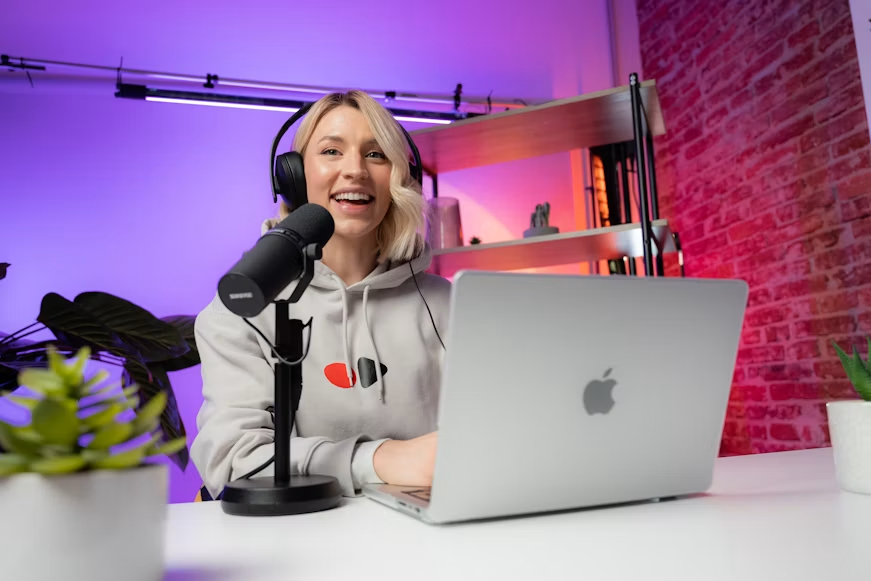
Why This Works Before the Book Is Ready
A listener does not need to see a cover or read a blurb to decide they want to read your book eventually. They need to be interested in the ideas, and a podcast conversation is one of the few formats that can generate that interest with nothing more than your voice and a good discussion. Edison Research's Podcast Consumer 2026 study found that a majority of weekly podcast consumers say they have acted on something they heard on a show, whether that meant visiting a website, making a purchase, or recommending it to someone else. Raising your hand for an early-access list is a much smaller ask than any of those, which is part of why it tends to work even without a finished product to point to.
Nielsen's research on earned media found that recommendations from people audiences already trust outperform other channels for influence, and a podcast host giving you an hour of their show functions the same way. That trust transfers before a single marketing asset exists.
This also solves a real timing problem. Publishing industry commentator Jane Friedman has reported that podcast publicity works best when outreach starts four to six months before a book's release, since shows need real lead time to book, record, and hold episodes for launch week. If you wait until the manuscript is done to start that outreach, you lose months you could have spent building an early-access list instead.
Making the Ask Without a Book to Point To
The mechanics are simple. When a host asks what you are working on, or during your own introduction, mention that you are writing a book and that you are keeping a short list of people who want early access once advance copies exist. A single sentence with a link, spoken naturally rather than pitched, is enough: something like "if that sounds like your kind of book, I'm keeping a list for early readers, and the link is in the show notes."
This works because it asks for very little. You are not asking anyone to buy anything or commit to a release date that does not exist yet. You are asking interested listeners to raise their hand, which is a much smaller ask than a typical pre-order or purchase pitch, and one that a listener who just spent an hour with you is often happy to make.
Where That List Actually Goes
The link you mention needs somewhere real to send people, even at this early stage. A simple landing page with one email field, no cover image required, works fine here. If you already have a general "just heard me on a podcast" page set up, this early-access signup can live right alongside it rather than requiring something new to build every time you record an episode.
Building the List Across Many Appearances Over Time
A single podcast episode will not fill an ARC list on its own, and it does not need to. Writing a book takes months, sometimes years, and every appearance during that stretch is another opportunity to add a handful of genuinely interested names. If you are actively pitching shows during this period, our post on pitching yourself as a podcast guest covers the outreach templates that get responses, which matters more here since you are trying to book appearances well before you have a finished product to promote.
By the time the manuscript is actually done, this approach can leave you with a list built entirely from people who chose to be there, rather than one built the week before launch out of necessity. Our Mic to Money ebook covers turning podcast appearances into this kind of ongoing pipeline in more detail.
Turning the List Into Real ARC Readers
Once the book is finished and ready for advance copies, this list becomes the first place to look, not a cold list you have to build from scratch. Our post on getting advance reader copies into the right hands covers how to vet and activate a list like this once you actually have copies to send.
Keep the Ask Genuine
None of this works if the request feels like a sales pitch dropped into an otherwise genuine conversation. The ask should sound like an offer to people who are already interested, not a script. We cover keeping that tone consistent across every touchpoint, including a request this small, in Creating Authentic Content in the Age of AI. For the fuller picture of how this fits into a complete marketing plan, our book marketing ideas guide covers the rest.
FAQ
Do I need to have a book deal or release date before doing this? No. Interest can be captured long before either exists. What matters is having a real place to send people, even if it is just a simple email signup.
How do I bring this up on a podcast without sounding like I'm selling something? Keep it to one natural sentence, ideally in response to a host's question rather than as an unprompted pitch. A low-pressure mention performs better than a rehearsed one.
What if only a few people sign up per episode? That is normal, and expected. A handful of genuinely interested names per appearance adds up meaningfully across the many months most books take to finish.
Should this list replace a general email newsletter signup? No. It can exist as a specific early-access option alongside your regular signup, for listeners who want to be first in line for advance copies specifically.
Ready to start building your ARC list before you have anything else to show for it? The next podcast conversation you record is as good a place to start as any.






























.jpg)

.jpg)
.jpg)
.jpg)
.jpg)
.jpg)















.webp)
.webp)

.webp)






.webp)




.jpg)
.webp)