

A book with zero reviews on launch day looks risky to a stranger deciding whether to buy it. An advance reader copy exists to solve exactly that problem. By putting the book in front of readers and reviewers weeks or months before release, authors can walk into launch day with reviews and word of mouth already in place instead of starting from zero.

What an Advance Reader Copy Actually Is
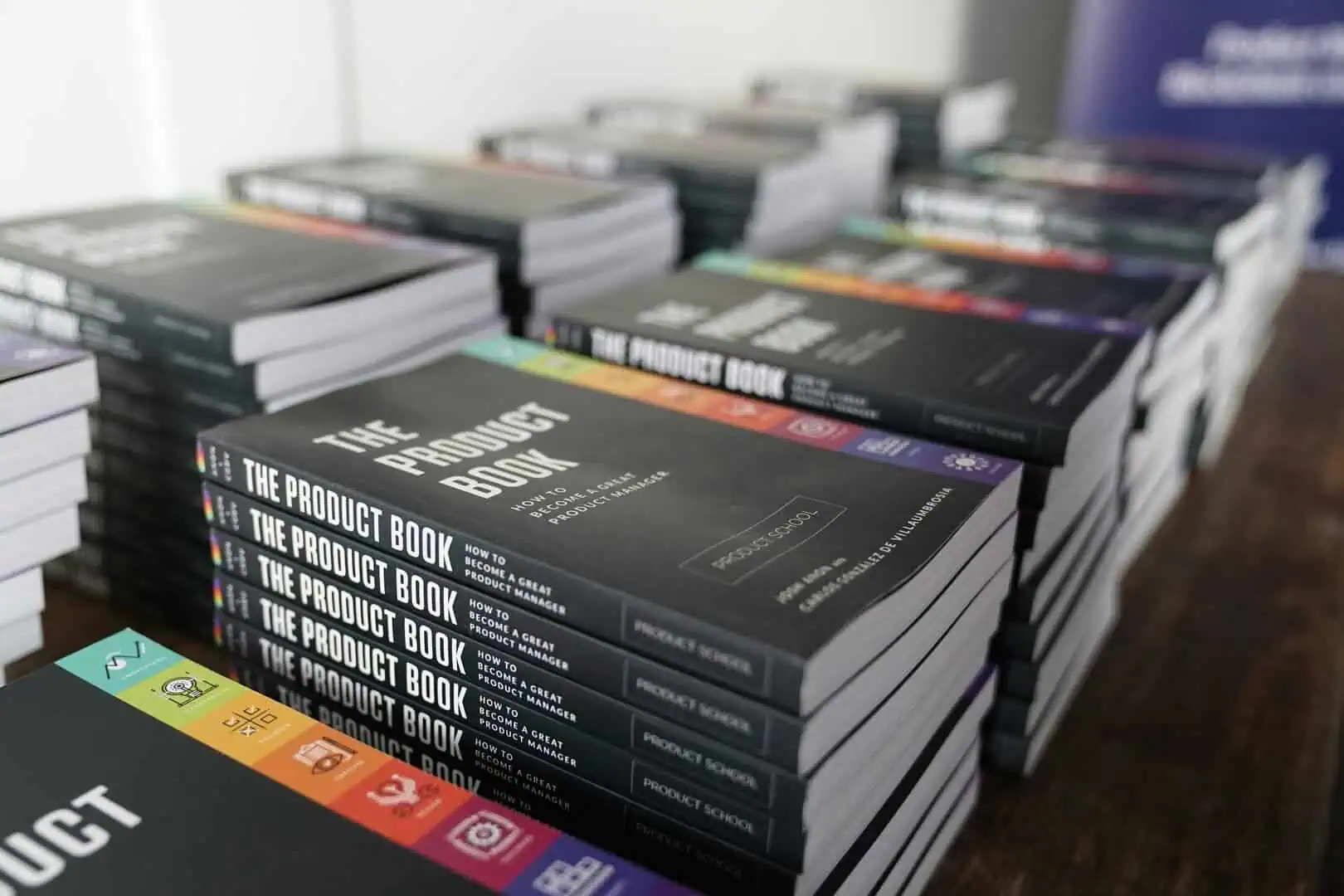
An advance reader copy, usually shortened to ARC and sometimes called an advance review copy or galley, is a free pre-publication version of a book sent to people outside the production process: reviewers, bloggers, librarians, and media contacts. It is not always identical to the finished book and may still have minor typos, a placeholder cover, or small text changes corrected before the final print run. Reviewers generally judge the work itself rather than any small imperfections.
ARCs can be physical books or digital files, often called eARCs when distributed electronically. The core purpose stays the same either way: get the book into the right hands early enough that reviews and coverage are ready and waiting when the book goes on sale.
Why the Lead Time Matters So Much
Trade review publications need real time to do their job. Kirkus Reviews' own submission guidelines state that they consider titles submitted as digital galleys at least four to five months before the publication date. That lead time exists so a reviewer can read the book, write the review, and get it published in time to actually influence a launch rather than appear months after readers have already decided.
That timing matters because of how much weight early reviews can carry with everyday readers, not just industry gatekeepers. Pew Research Center found that 82 percent of U.S. adults at least sometimes read online reviews before buying something for the first time, and 40 percent say they almost always do. That figure covers online shopping generally, not books specifically, but it points to a broader habit worth taking seriously: a reader discovering your book for the first time on launch day may well look for reviews before buying, which is a habit reviews need to already be there to satisfy.

Where ARCs Go: From Trade Reviewers to Everyday Readers
The traditional path runs through trade publications like Kirkus, Publishers Weekly, and Library Journal, which review books ahead of release to help libraries and bookstores plan orders. Getting into these outlets means working within their specific submission windows well in advance.
Alongside that, most authors also build a smaller, more personal distribution list: book bloggers, Bookstagram and BookTok reviewers, and readers from their own email list who want an early copy. NetGalley connects authors and publishers with reviewers, booksellers, and librarians looking for early access to new titles. Rebecca Yarros's Fourth Wing is a widely cited example of what early social reader buzz can do at scale: the book went viral on BookTok around its 2023 release and spent 18 weeks atop the New York Times bestseller list. Most authors will never see that scale, but the underlying mechanism, getting the book in front of readers who talk about books online before everyone else can buy it, is the same one available through any ARC list.
Podcast hosts and their audiences are also worth adding to an ARC list if guesting is part of your marketing. A host who has read the book ahead of an interview can speak to it specifically rather than generically, and offering early copies to engaged listeners gives your most invested audience a reason to review it the moment it is available. Our Mic to Money ebook covers building that kind of pipeline in more detail.
Building Your Own ARC Distribution Plan
You do not need a traditional publisher's publicity team to run an ARC campaign. Start by identifying who is actually likely to read and review your book: engaged email subscribers, genre-specific bloggers, and reviewers active in your category on Goodreads or BookTok. Reach out with enough lead time to read the book and post close to your release date, and be clear the copy is complimentary and that you expect an honest review, not a positive one.
Reviewers also carry a legal obligation worth mentioning when you send an ARC. The FTC's guidance on endorsements and reviews requires disclosing a free product if it could affect how much weight readers give the review. In practice, a reviewer should note they received an advance copy from the author or publisher. Flagging this upfront protects both of you and keeps the review credible.
This works best as part of a broader pre-launch plan. Our 90-day pre-launch playbook covers how ARC outreach fits alongside the rest of your content and audience-building in the months before release.
Turning Early Readers Into Launch Day Reviews
Sending out an ARC does not guarantee a review gets posted. A simple, friendly reminder close to the release date, with a direct link to where you would like the review posted, meaningfully increases the odds an early reader follows through. Our post on turning podcast listeners into early Amazon reviewers covers how to do this without violating platform terms of service.
Keep Your Voice Consistent With Early Readers
The people reading your ARC are often your most engaged early audience, and how you communicate with them sets the tone going forward. We cover keeping that voice consistent in Creating Authentic Content in the Age of AI. For the fuller picture of how ARC outreach fits into a complete marketing plan, our book marketing ideas guide covers the rest.
FAQ
How many ARCs should I send out before launch? There is no fixed number. Targeting readers genuinely likely to enjoy your genre matters more than sending as many copies as possible.
Do I have to send a finished, polished copy? No. Reviewers generally expect minor imperfections. The ARC should represent the finished work without needing to be flawless.
Can I ask reviewers to leave a positive review in exchange for a free copy? No. You can ask for an honest review, but requiring a positive one violates most platforms' terms and undermines the review's credibility.
When should I start sending out ARCs? Several months ahead for trade publications. A few weeks to a couple of months is usually enough for bloggers, influencers, and your own reader list.
Ready to build reviews and buzz before your launch date instead of scrambling for them after? Start with a short list of readers who already know and trust you.


































.jpg)

.jpg)
.jpg)
.jpg)

.jpg)
.jpg)

















.webp)
.webp)

.webp)









.webp)




.jpg)

.webp)