

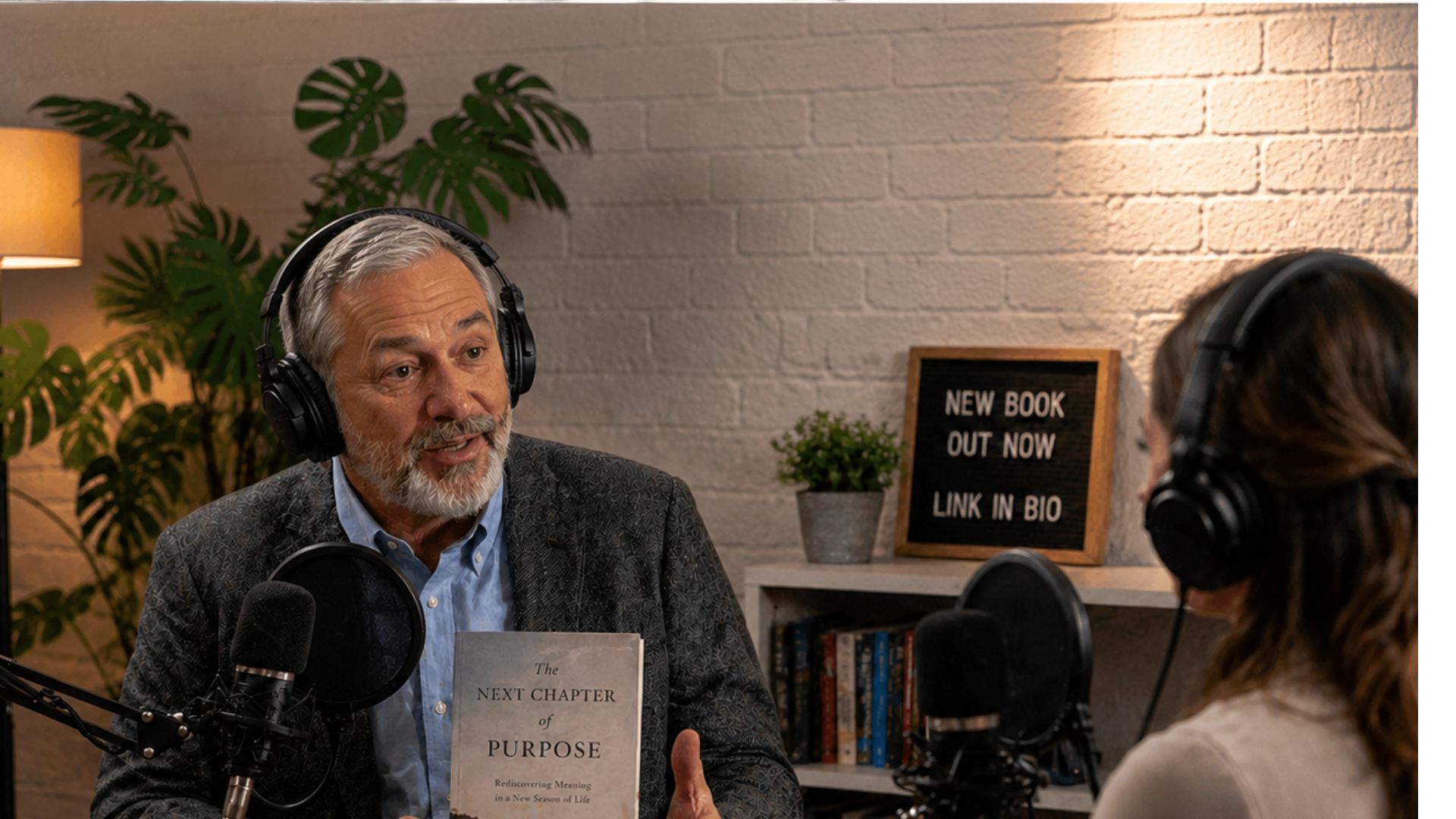
Securing a podcast booking is a success, but building a reputation requires more than a single appearance. True genre authority comes from presenting a distinct perspective rather than just a book pitch. Authors who become recognized experts treat guesting as a deliberate, recurring podcast marketing strategy rather than a one-off event. This approach transforms a writer into a category authority through consistent engagement.
Key Takeaways
- A single podcast appearance rarely builds genre authority on its own, it takes a repeated pattern of smart guest spots.
- Choosing shows based on audience fit matters more than chasing the biggest download numbers.
- Hosts and listeners remember specific opinions and frameworks far longer than plot summaries or book pitches.
- Authority compounds when appearances are tied together through consistent talking points and cross promotion.
- Authors who track and reuse their best podcast moments turn guest spots into long term marketing assets.
Why Genre Authority Beats General Visibility
Visibility puts your name before an audience, but authority links it to a specific subject. For instance, a romance author who broadly discusses various topics gains only scattered exposure. Conversely, one who focuses on niche themes like "second chance love" begins to dominate that space in the listeners' minds.
A genre-focused podcast strategy treats interviews as interconnected data points rather than isolated stops. By refining your podcast marketing strategy through consistent appearances, you transition from being just an author with a book to the recognized expert in your specific field.
Choosing Podcasts That Build Your Reputation as a Genre Expert
Not every invitation moves you closer to authority, even one with a big audience. A general interview show with broad, unrelated listeners can boost your downloads for a week and do little for your long term reputation. As part of a focused podcast marketing strategy, the shows that matter most are the ones whose audience already cares about your genre.
Before saying yes to a booking, check whether the show's past episodes and audience match the identity you're building. Authors who have used podcast tours to hit national bestseller lists didn't scatter their appearances randomly, they clustered them around shows that already reached readers primed to care about their genre. That kind of targeting separates a full booking calendar from one that actually builds recognition.

5 NYT Bestsellers That Used Podcast Tours to Hit the List and How
What to Say So Hosts and Audiences Remember You as the Authority
Landing a podcast interview is just the start; what you say matters more. A successful podcast marketing strategy is used by experts like Brandon Sanderson and James Clear, who built their following by consistently sharing a clear, specific point of view rather than just pitching a book.
Instead of a general pitch, walk into every interview with two or three core opinions or frameworks. Answer broad questions through the lens of your specialty. This podcast guesting consistency turns scattered appearances into one recognizable, authoritative voice.
Authors who want a repeatable way to turn guest appearances into consistent leads and book sales don't have to guess episode to episode. The playbook inside Mic to Money walks through exactly how to convert podcast appearances into qualified leads and signed readers on repeat.
Turning One Appearance Into an Ongoing Podcast Marketing Strategy
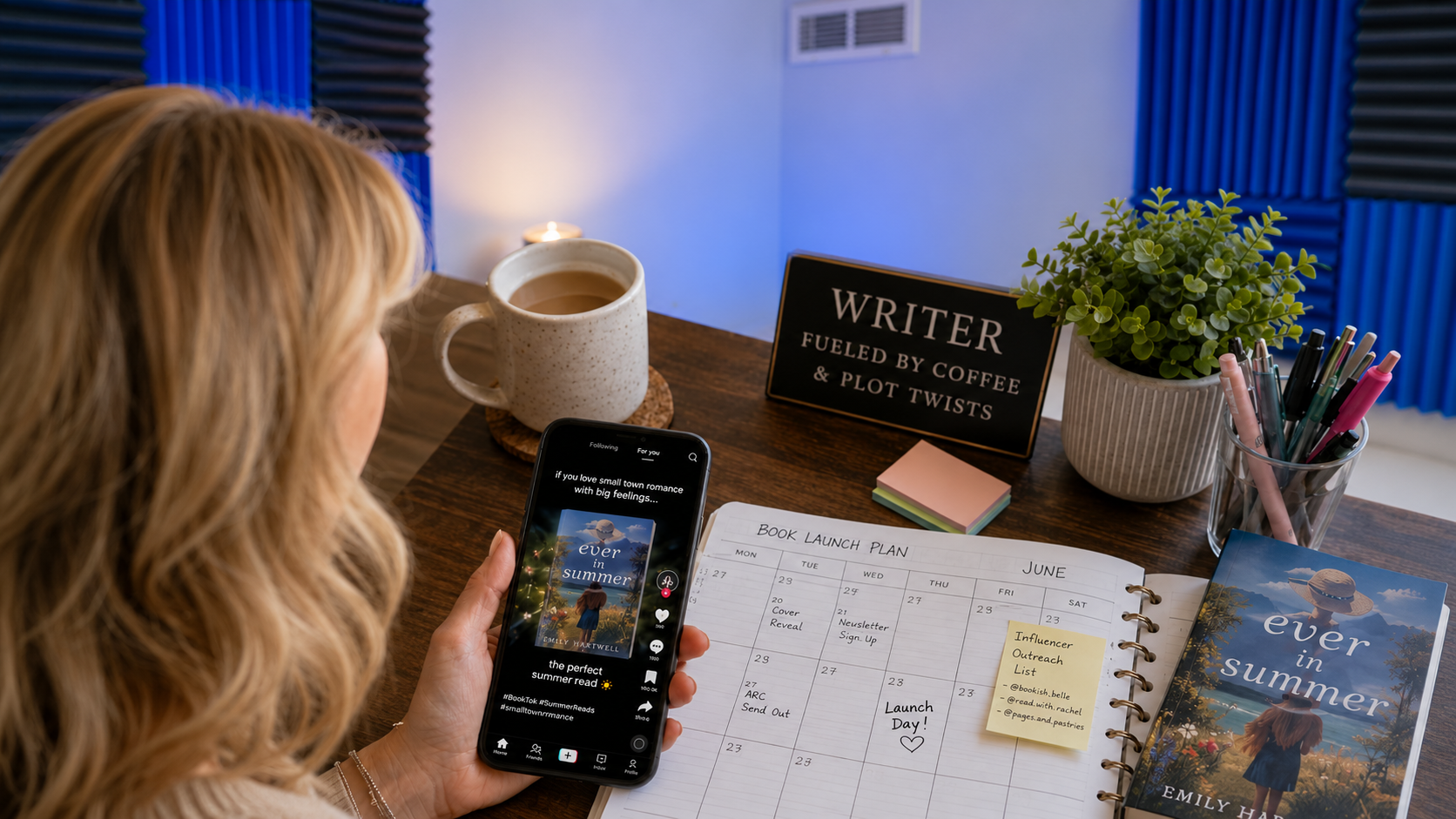
A great interview that disappears into a podcast feed does little on its own. Authors who build lasting genre authority integrate every episode into their podcast marketing strategy as raw material for weeks of extra content. Clip the strongest two minutes for social media, quote the sharpest line in your newsletter, and reference it again the next time you're a guest elsewhere.
This repetition is where personal branding and podcast guesting work together instead of pulling in separate directions. A consistent visual identity and a habit of referencing your own past appearances signal that you're established, not new to this. Writers who study thought leadership podcasting describe the same pattern, authority is built through frequency, not one viral moment.
10 Bestselling Book Launches Broken Down
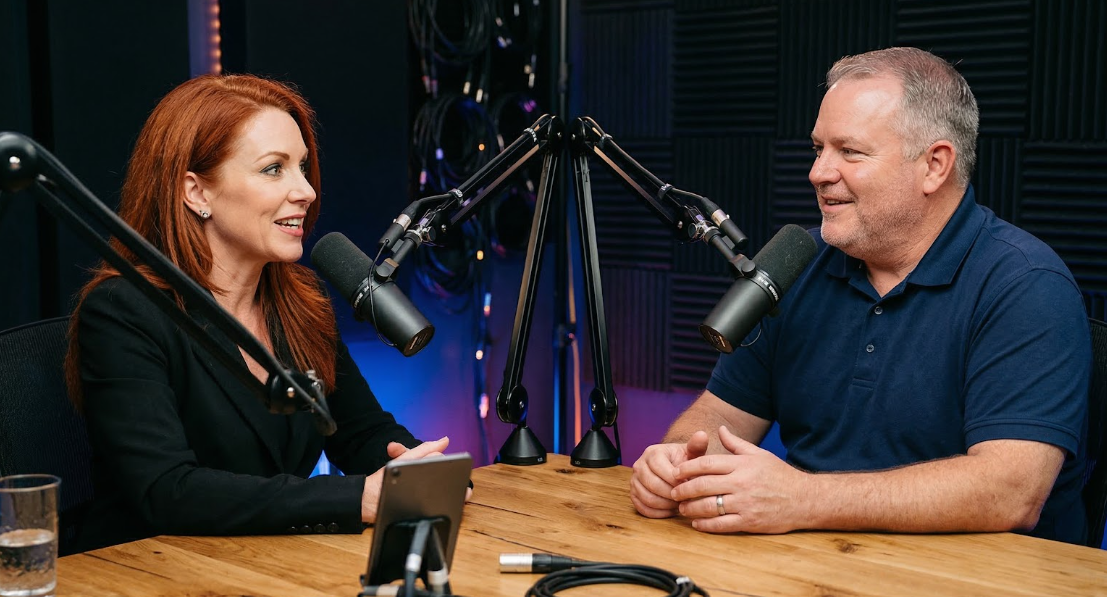
Common Mistakes That Undercut Your Authority Positioning
Even well booked authors sabotage their own authority in small ways. The most common mistake is failing to have a podcast marketing strategy and treating every appearance as a fresh introduction instead of a continuation of an ongoing story, which keeps you from ever compounding your reputation. Another misstep is agreeing to interviews that have nothing to do with your genre just because the host has a big audience.
Authors also underestimate how much preparation goes into sounding like an expert, not just a guest with a book to sell. Mel Robbins didn't become one of the most repeated voices on personal development podcasts by accident, she showed up with the same sharp framing every time, easy for hosts to introduce and easy to remember. Reviewing how other authors approach podcast guesting for authors is a useful check before your next booking.
Conclusion
If your bigger goal is becoming a go-to expert in your genre and not just selling copies of one book, look at how your content and public voice reinforce each other beyond podcasts. For practical guidance on keeping that voice consistent, the strategies inside Creating Authentic Content in the Age of AI are worth working through before your next round of interviews.
Becoming the go-to author in your genre isn't about landing one big interview and hoping it sticks. It's the result of choosing the right shows, showing up with the same point of view every time, and running your podcast marketing strategy like an ongoing story, not a one-off campaign. Authors who commit to that pattern, episode after episode, are the ones readers and hosts eventually stop introducing and start recommending.
































.jpg)

.jpg)
.jpg)
.jpg)

.jpg)
.jpg)















.webp)
.webp)

.webp)








.webp)




.jpg)

.webp)