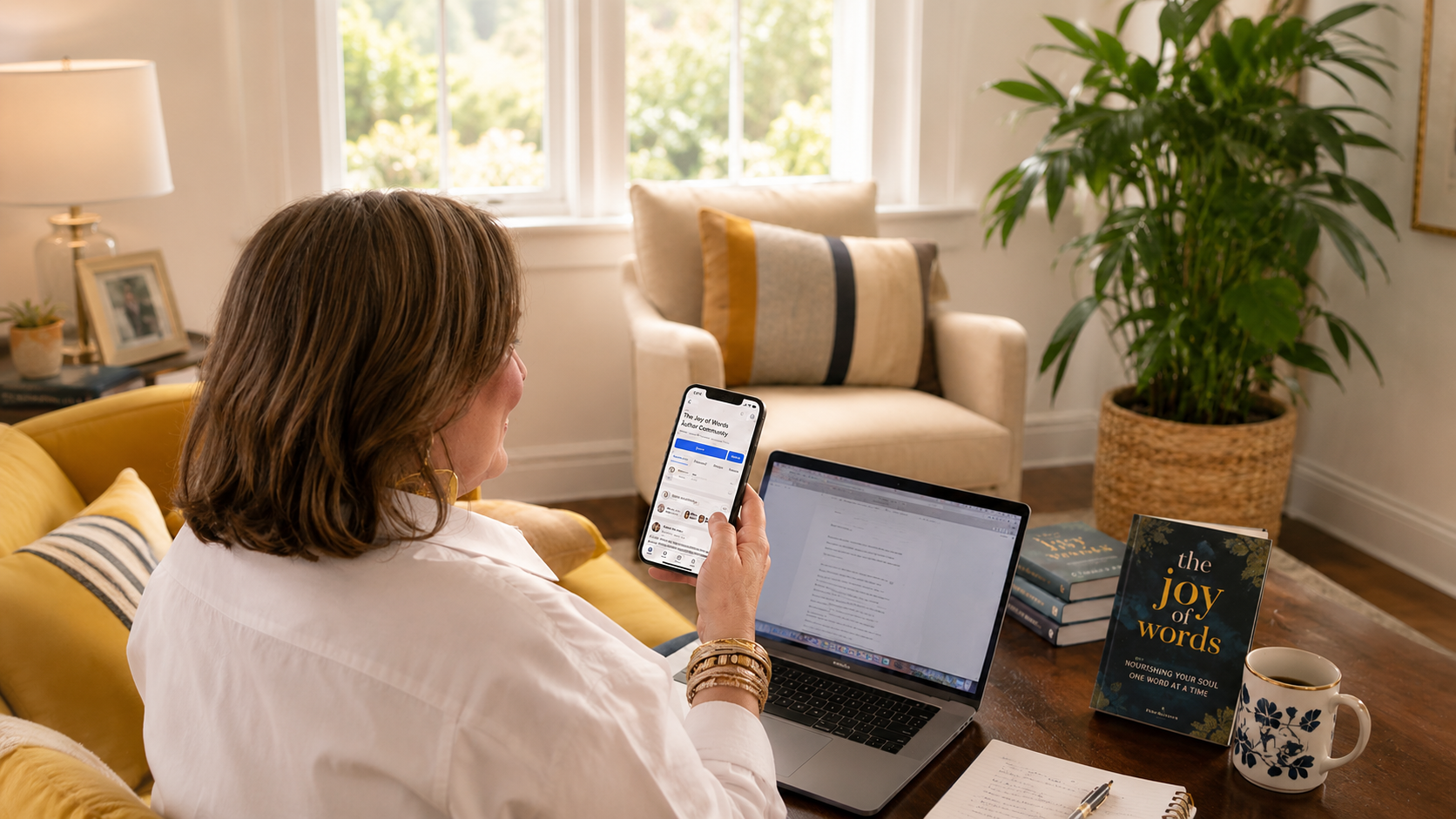

Facebook Groups remain effective for authors in 2026. While random posting fails, authors who know how to engage your audience on Facebook within dedicated groups consistently outsell those relying solely on other platforms. These communities turn casual readers into loyal buyers by maintaining a steady presence between book launches.
Key Takeaways
- Facebook Groups still drive real book sales in 2026 when authors treat them as communities, not broadcast channels.
- Small, active groups tend to outperform large, silent ones when it comes to actual sales.
- Consistent value between launches keeps readers engaged long before a new book comes out.
- Group-only content, like early chapters or behind the scenes updates, gives members a reason to stay.
- Authors who avoid constant selling see better long-term engagement and more organic word of mouth.
Why Facebook Groups Still Work for Authors in 2026
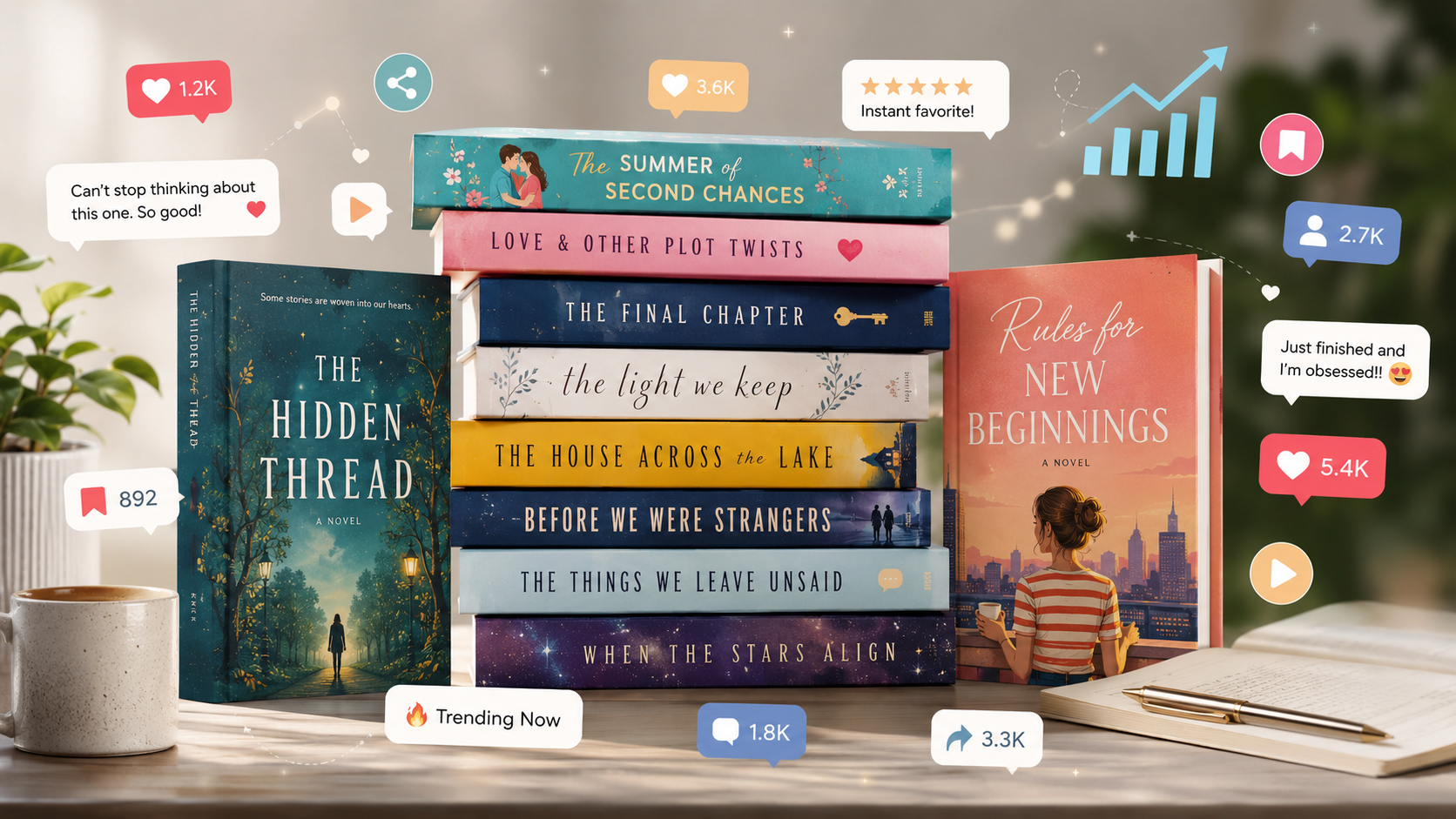
Facebook's algorithm keeps shifting, but one thing hasn't changed. Content posted inside a group reaches members far more reliably than content posted on a public page, since a group feed sits closer to a private inbox people actually check. That's why authors with few, engaged members often outsell those with thousands of passive followers, as writers learn how to engage your audience on Facebook.
Readers treat groups differently than pages too. A page feels like a bulletin board, while a group feels like a room full of people who share the same taste in books. Once someone joins a genre specific group, they expect real conversation, not just promotional posts.
How to Use Social Media Strategically to Promote Your Book
How to Engage Your Audience on Facebook Without Feeling Like a Salesperson
Engagement comes down to giving members something to respond to, not scroll past. Simple prompts work well, like asking which character readers would grab coffee with, running a cover poll, or sharing a paragraph from a work in progress. Building steady habits around these moments lines up with the social media engagement tactics authors use to build reader communities, which focus on turning passive followers into people who actually take part.
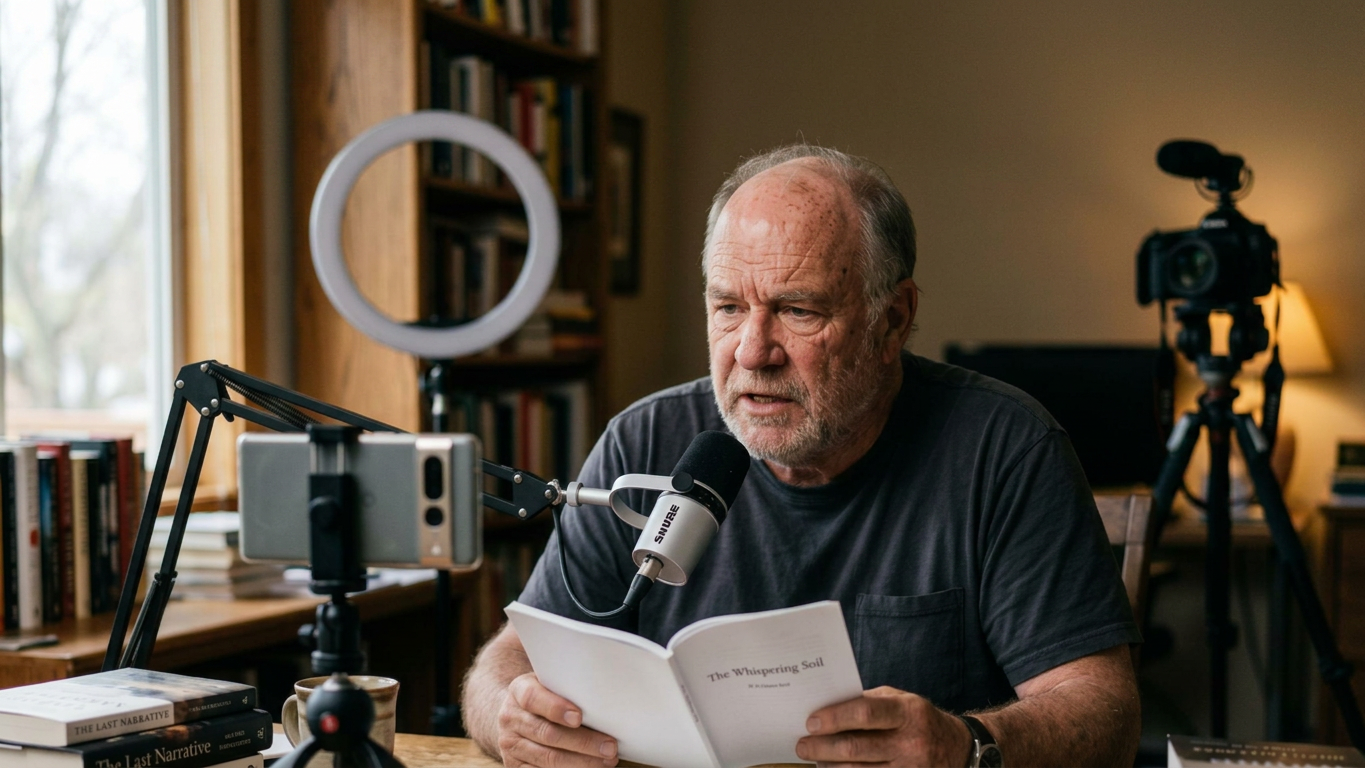
None of this needs a big production. A short voice note about a plot decision, a behind the scenes photo, or a quick question about what readers want next all count. The goal is making members feel part of the process instead of an audience waiting for an announcement.

Building a Group Readers Actually Want to Join
A group only works if it has a clear reason to exist. Authors who see the best results usually pick one focus, like a specific series or a genre community, rather than a generic page for everything they do. That focus shows up in the group name and welcome post, so new members know what they're joining.
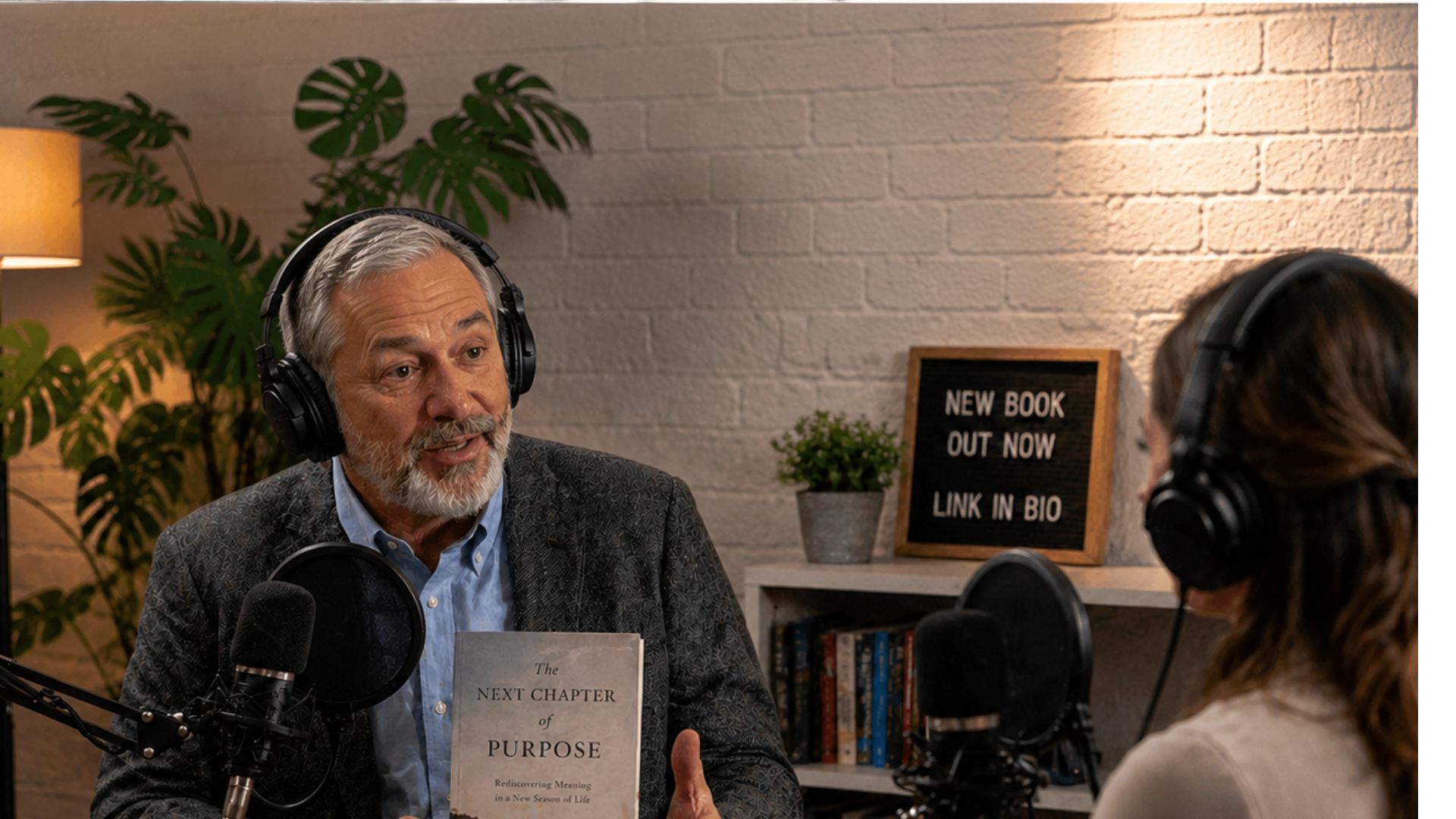
Authors such as Colleen Hoover and Brandon Sanderson have built exactly this kind of space, where readers gather to discuss theories and upcoming releases. These examples highlight that learning how to engage your audience on Facebook is crucial for fostering this type of long-term community growth.
Getting a group off the ground usually means borrowing traffic first, whether that's a pinned post on an author page or a call to action at the end of a book. Once a small core joins, word of mouth tends to bring in the rest. Authors who want a fuller playbook can look at book marketing strategies to promote your book on facebook, which cover the setup work before a group can grow on its own.
For authors trying to sound like themselves instead of a marketing account, creating authentic content in the age of AI is worth a look, since it covers how to keep a group's voice personal as the audience grows.
Turning Group Members Into Buyers Without Killing the Vibe
The sales side works best when it feels like an insider perk instead of an ad. Early access to a cover reveal, a signed copy giveaway limited to members, or a short early buy window before a book goes live everywhere else give people a reason to stay active year round. Authors who pull ARC readers from their group also tend to get faster, more honest reviews, since those readers already feel invested.
Keep promotional posts rare to avoid being muted. Balance sales messages with community building using these book marketing ideas every author needs to know to get more sales. This balance explains why knowing how to engage your audience on Facebook remains essential.
Authors experimenting with short video updates inside their group, like quick cover reveals or trailer style teasers, can find a starting point in the viral video blueprint, which shows how to turn a clip into something members share.
Mistakes to Avoid for Your Book Launch
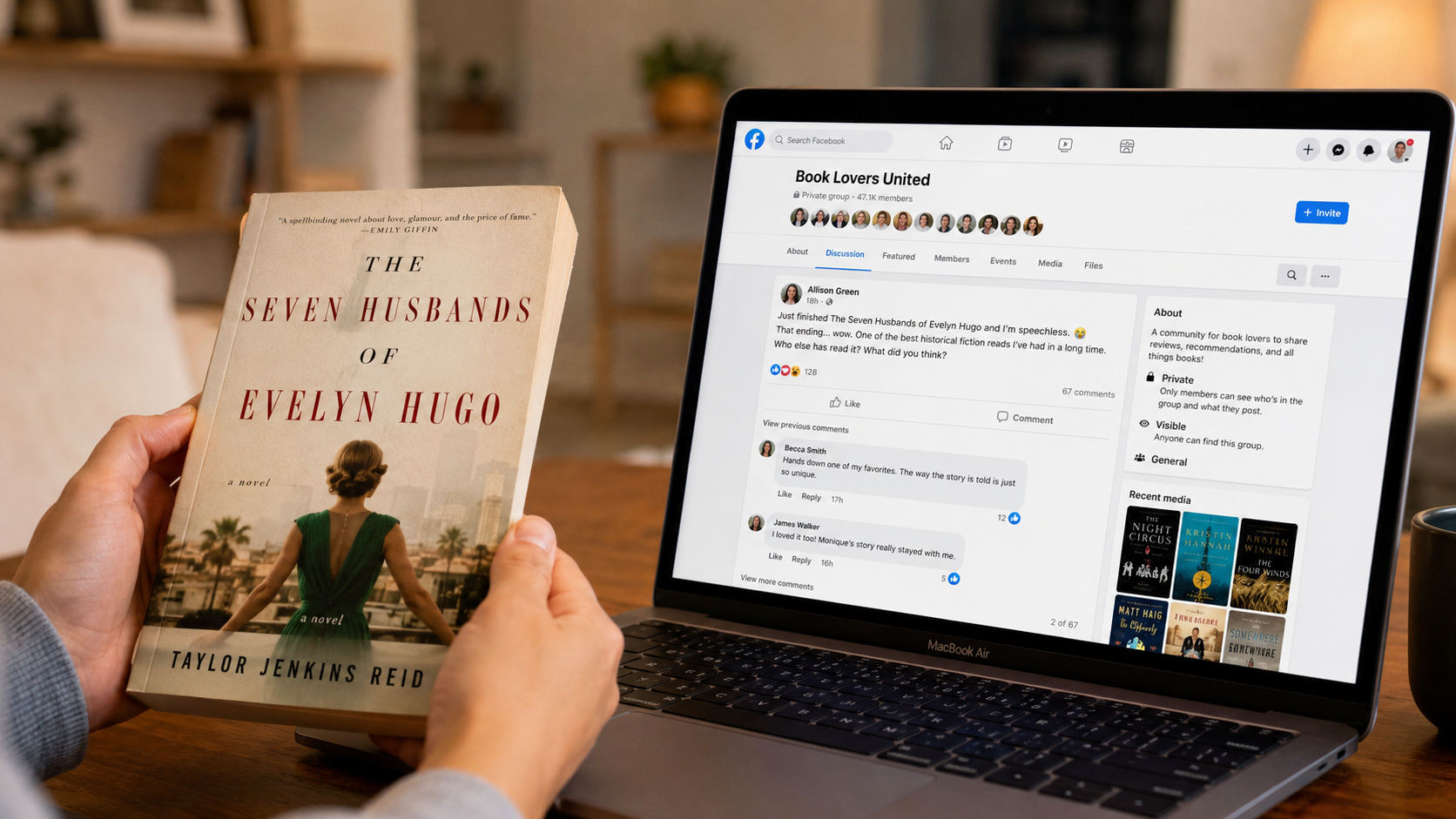
Common Facebook Group Mistakes That Quietly Kill Sales
The most common mistake is letting the group go quiet between launches. If an author only shows up to sell, members notice, and the group stops feeling worth checking. A weekly discussion post keeps the space alive.
Another mistake is skipping online group management basics like clear rules, active moderation, and a welcoming pinned post. Groups that feel chaotic lose members fast, no matter how good the books are. Some authors also miss out on collective digital promotion by never cross posting inside other genre communities.
Multi-author marketing partnerships can drive cost-effective growth by sharing promotions across genre-aligned groups. While not a standalone marketing strategy, they provide a steady space for reader retention, proving that knowing how to engage your audience on Facebook remains a vital 2026 tactic.




























.jpg)

.jpg)
.jpg)
.jpg)
.jpg)
.jpg)















.webp)
.webp)

.webp)






.webp)



.jpg)

.webp)