.jpg)

Every year, a handful of books break through and land on the New York Times best seller list. A few get there on critical acclaim. Most get there because the author figured out how to make social media work as a real sales tool, not just a place to post updates nobody reads. It's not about the size of your following. It's about having the right social media content for authors strategy locked in before the book even launches.
Key Takeaways
- NYT bestsellers require a deliberate social media strategy.
- Building community before launch is key to outperforming late promoters.
- Short-form video (TikTok/Reels) is a powerful tool for organic book discovery.
- Authenticity, not follower count, converts audiences into buyers.
- A consistent, multi-platform approach gives books the best chance of breaking through.
The Myth of the Overnight New York Times Best Seller
When a book suddenly appears on bestseller lists, it can look like an overnight win, but it is usually the result of months of audience-building, smart timing, and consistent content. James Clear and Mel Robbins did not stumble into that momentum. They spent years creating engaging book posts, earning reader trust, and learning where their audience actually spends time online, which is often what separates a book that sells from one that sits.
How Platform Choice Shapes Reach
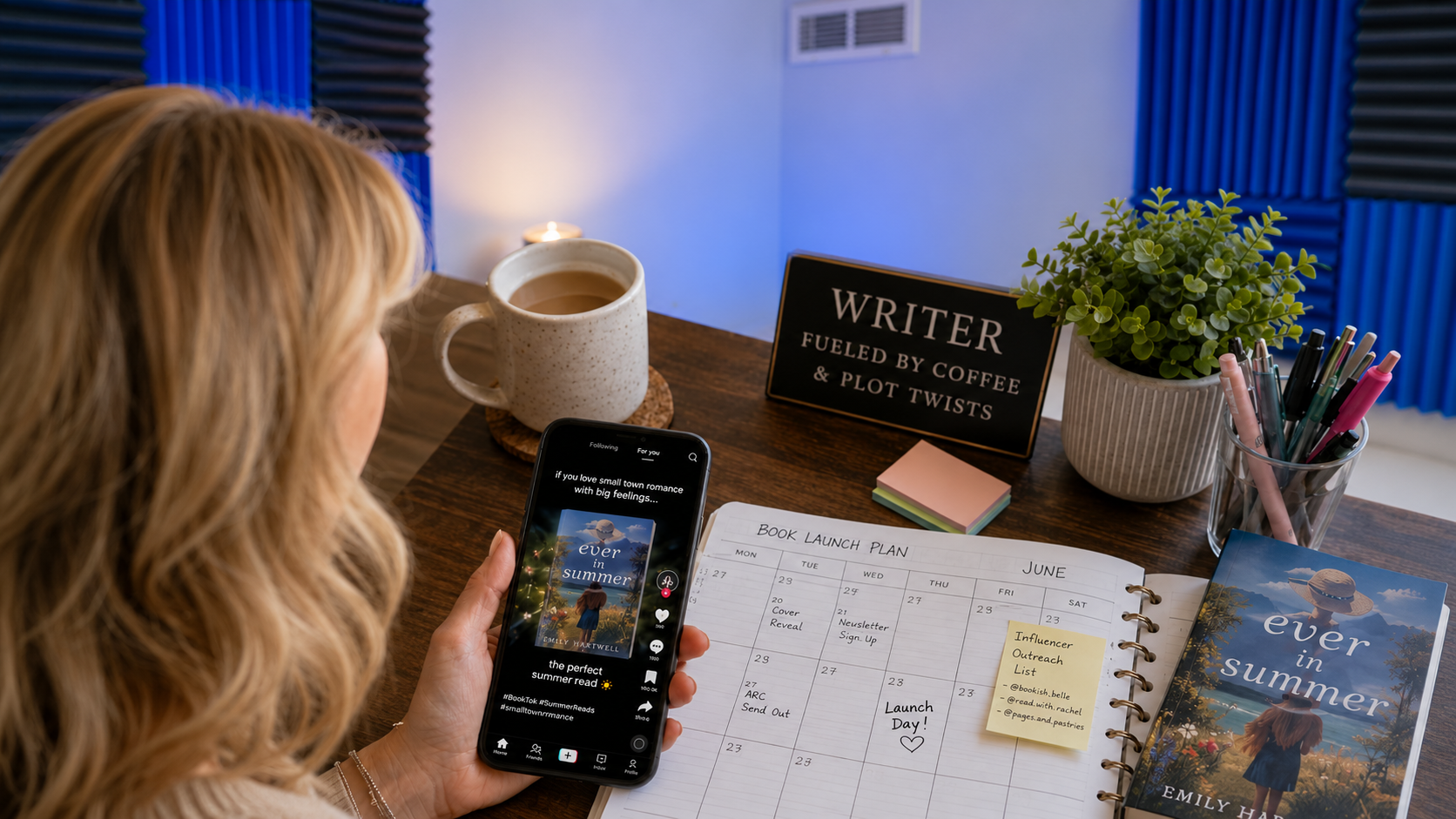
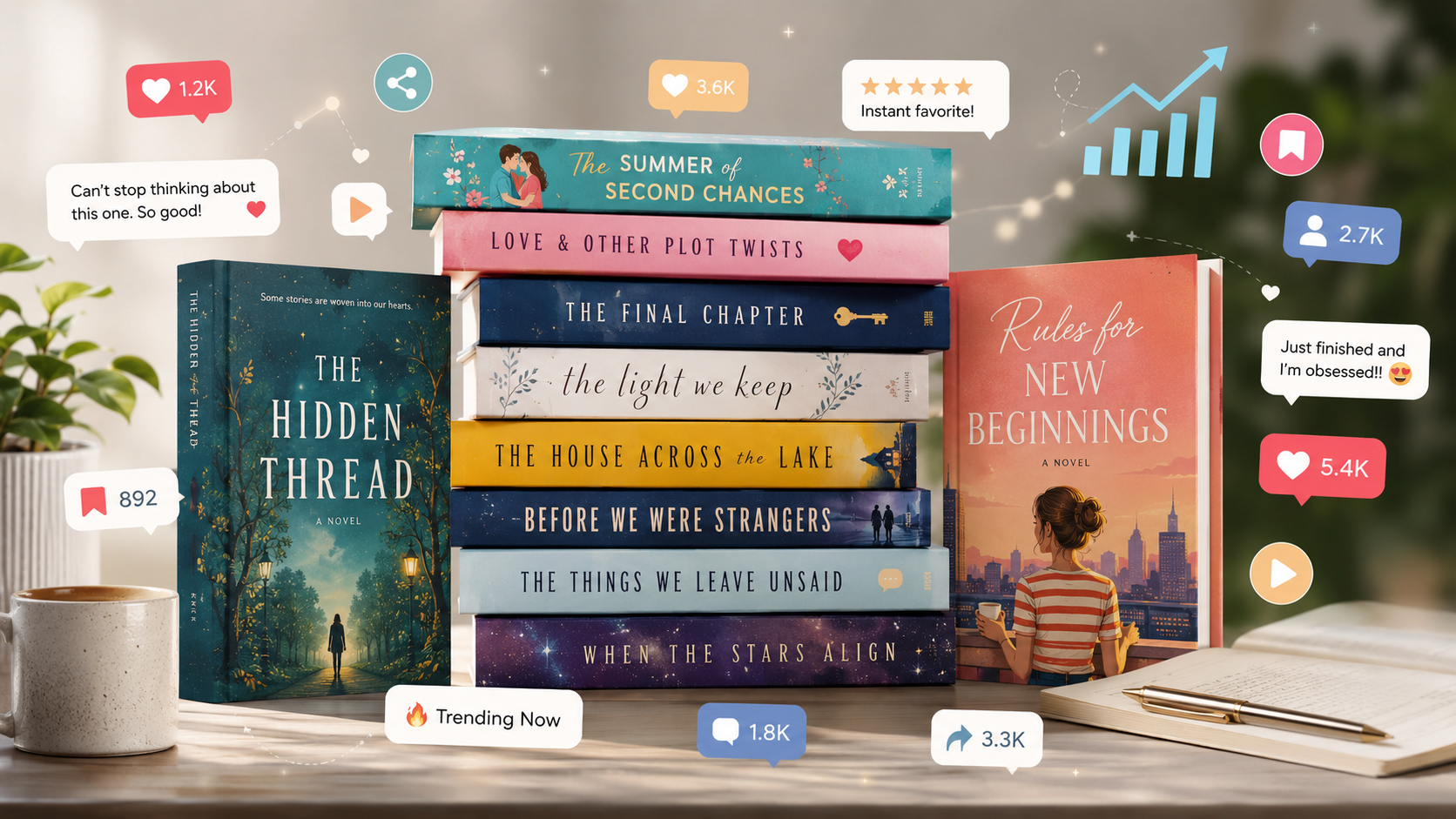
Romance and fantasy titles have exploded on TikTok because the BookTok social media strategy taps into community-driven recommendations that no paid ad can replicate. A reader sharing a genuine reaction to a final chapter carries more weight than any back-cover blurb.
Business and self-help titles tend to perform better on LinkedIn and YouTube, where audiences are looking for real insight and longer-form value. The goal stays the same: give people a reason to feel something about the book before they've read a word of it.
How to Create a 30-Day Social Media Plan to Promote Your Book
What the Content Actually Looks Like
Authors who land on the New York Times best seller list share content in patterns that aren't random at all. The approach that works tends to follow this logic:
- Give away ideas from the book without giving away everything. Readers want a taste, not a summary.
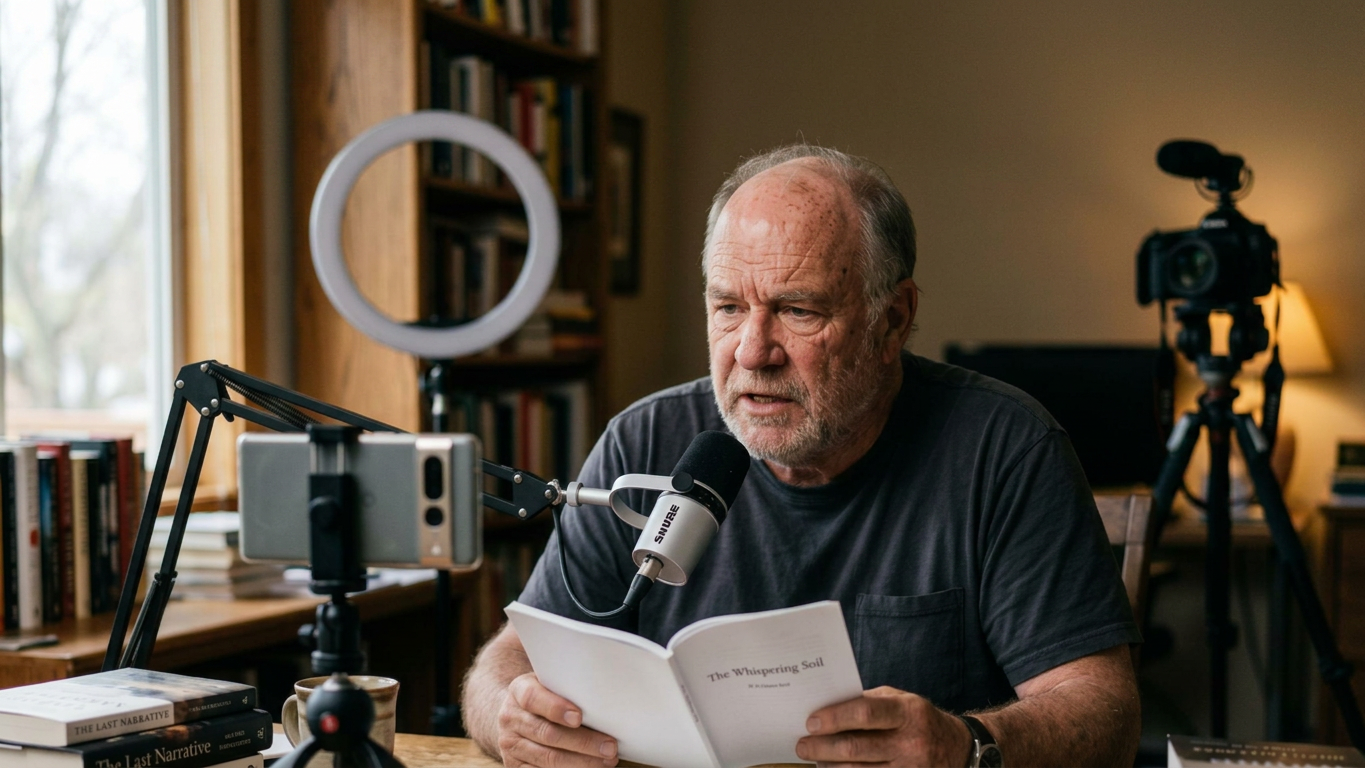
- Show the process behind writing it. People connect with the work before it's even finished.
- Share personal stories tied to the book's core theme. That emotional hook is often what turns a browser into a buyer.
- Post consistently, not just during launch week. The audience built in month three is the one that shows up on release day.
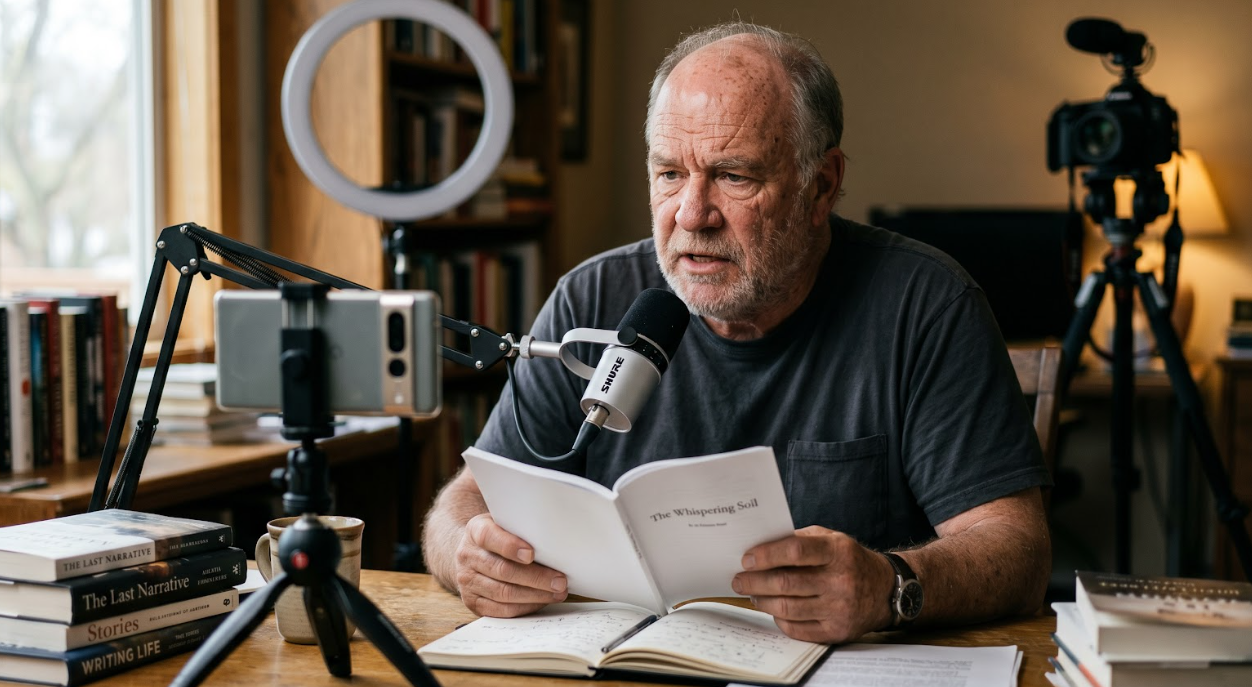
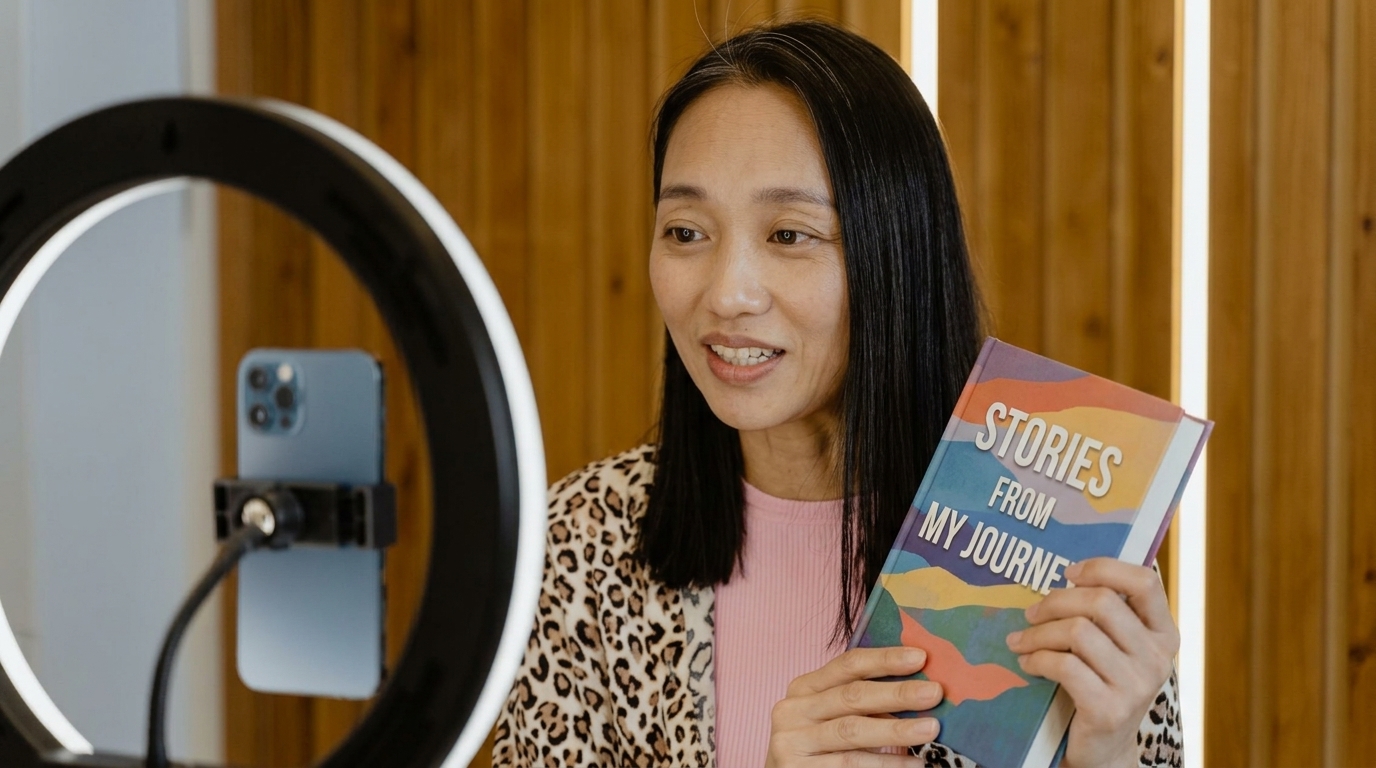
Short-form video is where most of this plays out. A 60-second clip of an author explaining why they wrote the book can spark more conversation than a press feature. The key is making it feel like a real person sharing something they genuinely care about. Social media for bestselling authors always comes back to that kind of authenticity, and it's something algorithms reward too.
If you're trying to keep your content voice genuine when AI-generated posts are everywhere, the Creating Authentic Content in the Age of AI ebook is a practical guide for authors who want their writing to actually land with real readers.
Building Community Before the Book Drops
Authors who repeatedly land on the New York Times best seller list don't treat social media like a switch they flip on at launch. Colleen Hoover spent years engaging with readers before her backlist went viral. Brandon Sanderson built a loyal fanbase by treating his audience like collaborators, not consumers. Both did the work long before the numbers reflected it.
That trust comes from showing up regularly, responding to comments, and sharing work that gives people a real sense of who you are. A content strategy for book launches that starts six months out will always outperform one that starts six days before release.
10 Marketing Strategies to Promote Your Book on Instagram

The Launch Window and Why It Matters
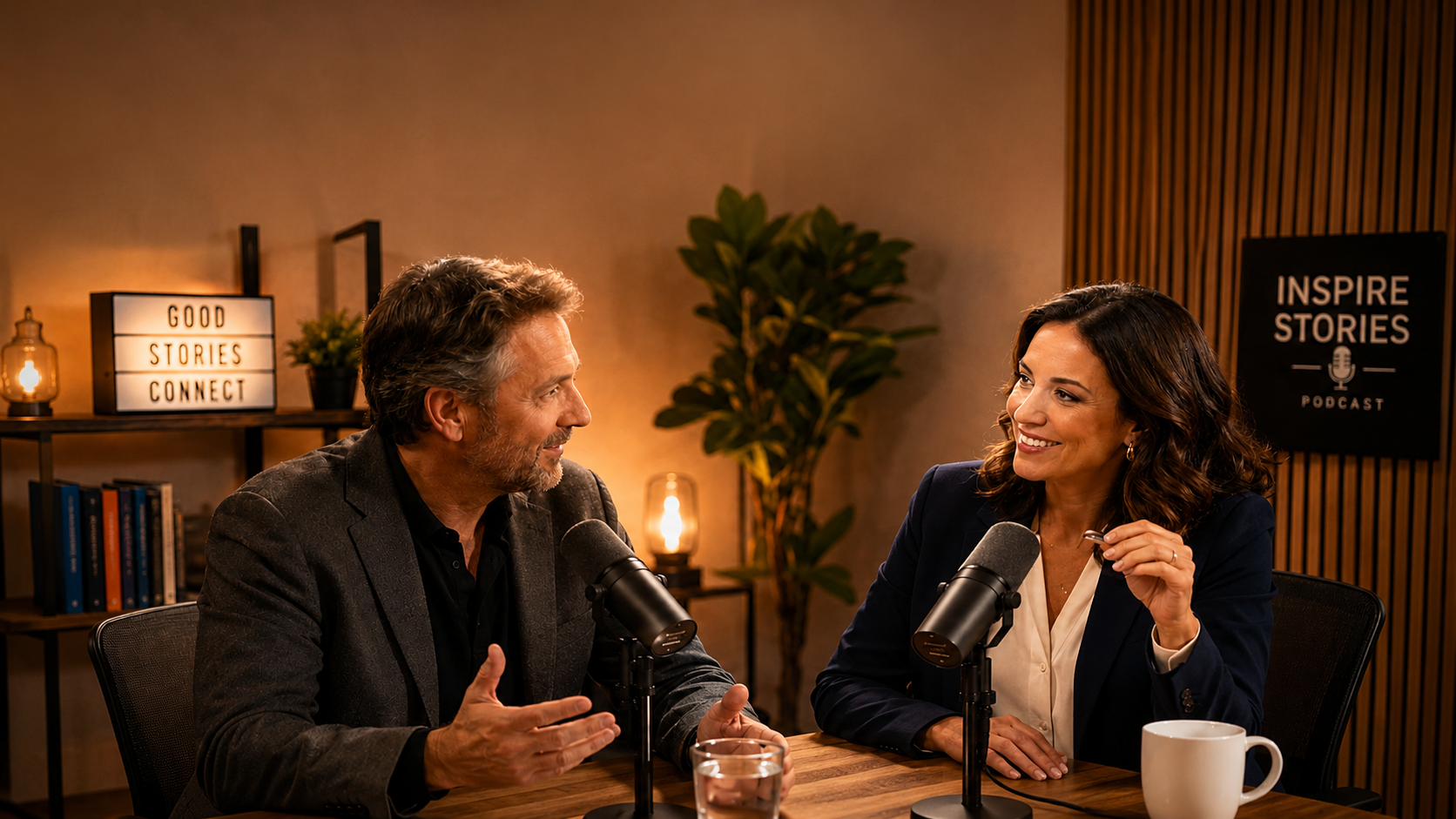
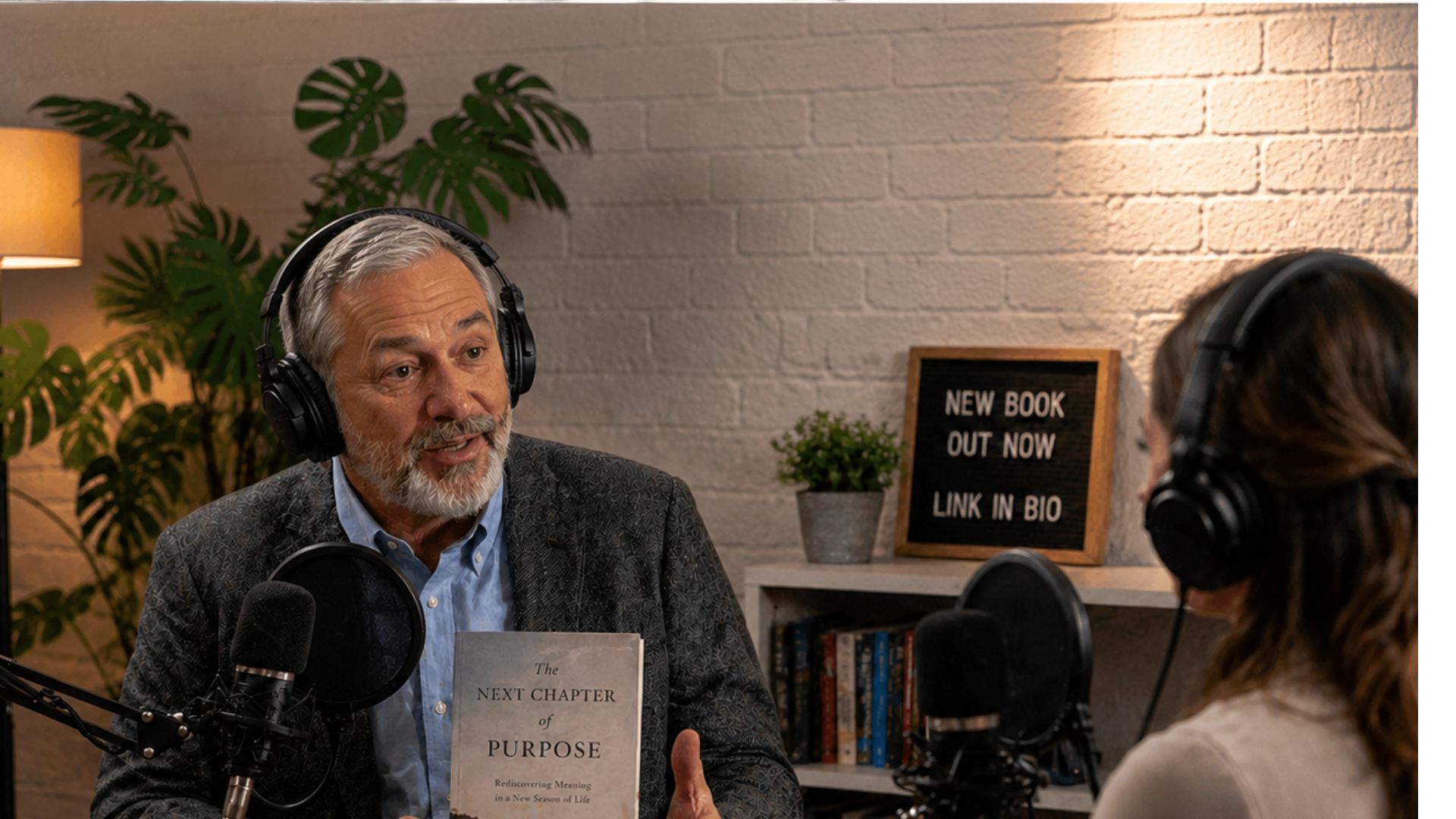
The New York Times uses specific reporting windows, making launch week critical for any book hoping to become a New York Times best seller. Successful authors time major pushes, including newsletters, collaborations, and podcasts, to align perfectly with this reporting window.
Effective launch weeks amplify existing audience momentum rather than starting from scratch. Pre-release content should focus on building anticipation rather than just announcing dates.
Going Beyond One Platform
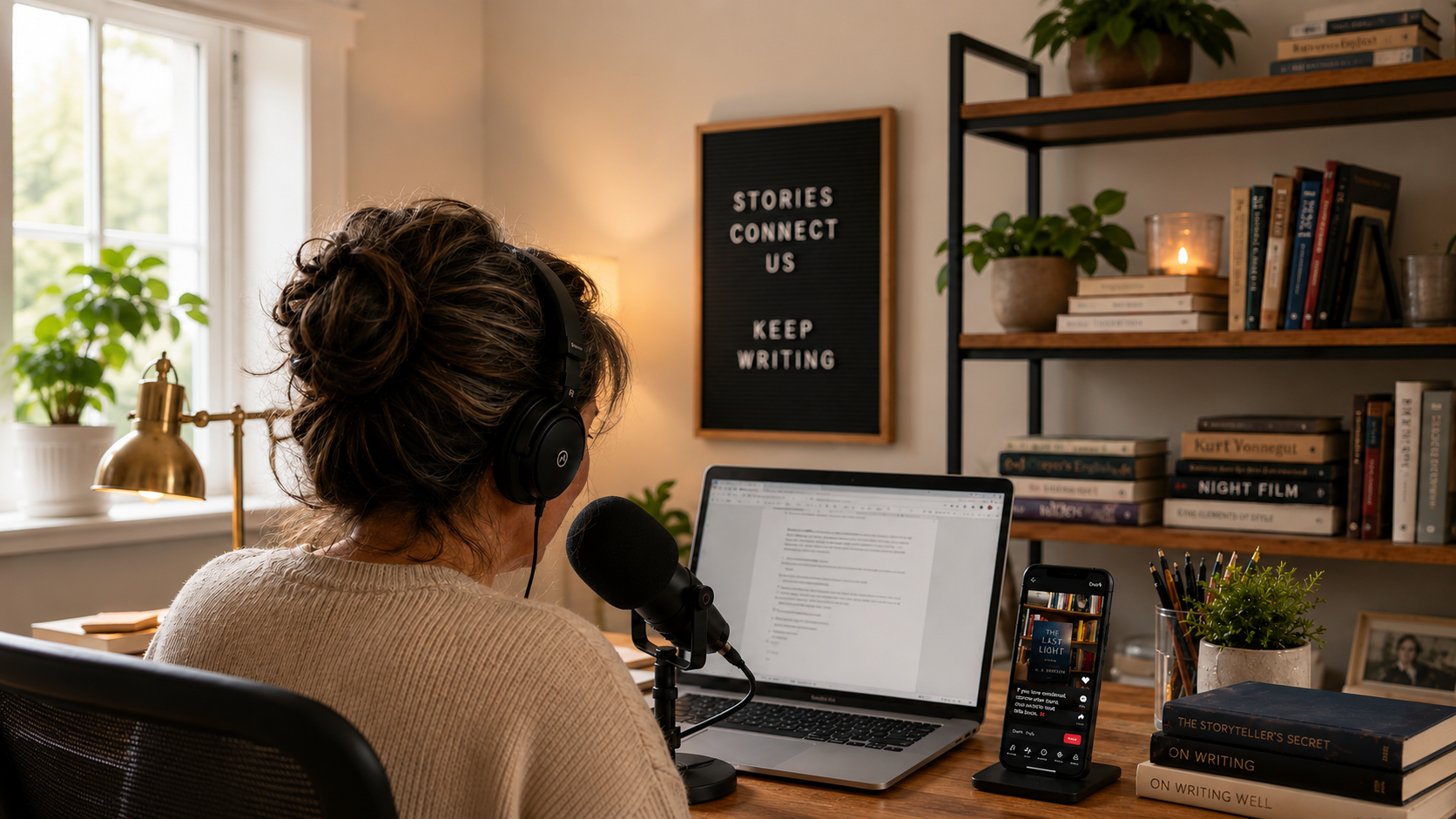
Most bestselling authors don't rely on a single channel. A multi-platform book promotion approach lets authors reach readers wherever they already spend time. Each platform serves a different purpose:
- YouTube builds long-term searchability and lets authors go deep on ideas
- Instagram captures the visual and emotional side of the book and its story
- LinkedIn positions the author as a credible voice, especially for business titles
- TikTok drives discovery through organic community conversation and sharing
To achieve New York Times best seller status, the content doesn't need to be recreated from scratch for each platform. A single idea can be adapted without losing its message. What matters is that the core stays consistent even as the format changes.
For authors building a real content system around their book, the Creating Authentic Content in the Age of AI ebook covers how to develop a voice that connects across platforms without sounding like everyone else doing the same thing.
What Every Bestseller Has in Common
Strip away the genre differences and the platform choices, and every New York Times best seller built on social media shares the same foundation: an author who understood their reader, showed up consistently, and made their content feel worth engaging with. The list isn't reserved for the biggest budgets or the loudest voices. It belongs to the authors who made readers feel something and gave them a reason to tell everyone they know.
That's not a formula. It's a commitment. Social media is just the tool that makes the message travel.































.jpg)

.jpg)
.jpg)
.jpg)
.jpg)














.webp)
.webp)

.webp)





.webp)



.jpg)

.webp)