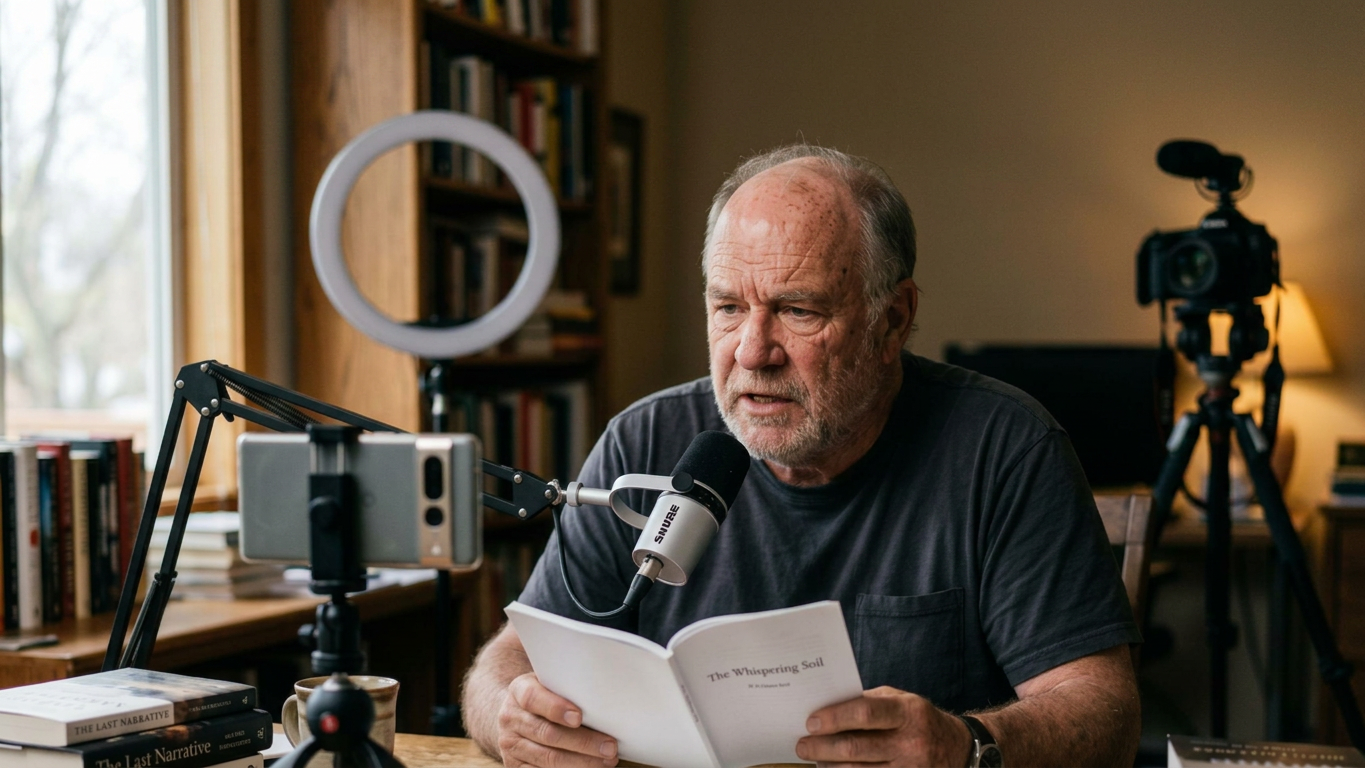

Many authors treat podcasts as standard press interviews, answering questions and mentioning their books without driving real impact. Listeners, however, need to connect with the person behind the writing before they invest in the work.
Effective personal branding on podcasts relies on strategic storytelling. Successful authors use a specific framework to create emotional resonance, lasting memory, and clear action. For authors shaping a stronger content voice before those interviews, FTS Pod’s free ebook Creating Authentic Content in the Age of AI offers a practical framework for creating content that feels clear, human, and trustworthy.
Key Takeaways
- Podcast storytelling works best when it connects your real experiences to the themes inside your book.
- A strong personal brand on podcasts is built through consistency in how you frame your origin story across different shows.
- Authors who use contrast and tension in their podcast narratives generate more word-of-mouth referrals than those who focus on credentials alone.
- Effective podcast appearances drive listeners to your email list, not just your book's sales page.
- Strategic call-to-actions tied to a relevant free resource convert listeners better than a direct book pitch.
Why Most Author Podcast Appearances Go Nowhere
Many authors fail on podcasts by focusing on promotion over connection. Repeating titles and premises already mentioned in intros lacks impact and fails to resonate with the audience.
Listeners remember authentic moments and lived experiences that reveal why a book was written. Connection isn't built through credentials, but through the personal journey that led to them.
How to Build an Author Brand That Sells Books for 10+ Years
The Three-Part Storytelling Framework That Actually Works
Mel Robbins didn't become a recognizable name by listing her accomplishments. She told the same core story, over and over, about the morning she counted backward from five just to get out of bed. That story led to a book, a framework, a community, and a media presence that's still growing. The repetition wasn't accidental. It was strategic.
The framework has three parts, and they work in sequence. Skipping one breaks the chain.
1. The Origin Moment
This concrete scene from your life explains your book's motivation. James Clear, for example, uses a career-ending baseball injury to ground his habits framework. Such specificity creates universal resonance, allowing listeners to empathize with your setback regardless of their background. To be effective, your origin moment must include conflict, a turning point, and a lesson directly linked to your book's core message.
It's also the foundation of strong personal brand storytelling, the kind that makes audiences remember your name long after the episode ends.

2. The Bridge
The bridge connects the origin moment to the listener's current experience, making building an author platform feel relevant rather than promotional. Brandon Sanderson, for instance, focuses on the creative process and rejection, resonating with any writer. This shift from "your story" to "my story" turns casual listeners into potential readers. Authors who use stories that resonate broadly understand how personal branding strengthens your book marketing strategy and lead with those.
3. The Proof
Proof doesn't mean sales numbers. It means giving listeners a glimpse of transformation. Authors who have achieved series branding success name titles and show the pattern. Colleen Hoover didn't need to explain why her books connect with people.
The story of how they spread organically, from one reader to the next, without a publisher fully controlling it, is the proof. Proof makes the origin moment worth something. It shows the path has a destination.
If you want to build this into a working system before your next appearance, download the free Mic to Money playbook, a no-fluff guide for founders and creators who want to convert podcast appearances into qualified leads and signed clients on repeat.
Tight storytelling allows for easy scaling between long-form and short-form appearances. This flexibility is what distinguishes occasional guests from authors who build genuine, loyal audiences.
If you want to turn those stories into stronger content across channels, download Creating Authentic Content in the Age of AI, FTS Pod’s free guide to building a voice that stays authentic while using modern tools and platforms.
Proven Ways to Promote Your Book on YouTube, LinkedIn, TikTok, Instagram, and Facebook
How to Adapt the Framework for Different Formats
Different formats require tailored approaches. Interview shows allow for natural redirection to your framework, while panels demand a concise 60-second origin moment. Authors who master this consistency often utilize professional podcast management to ensure every question leads back to their core story.
Tight storytelling allows for easy scaling between long-form and short-form appearances. This flexibility is what distinguishes occasional guests from authors who build genuine, loyal audiences.
Getting Listeners to Take Action After the Episode
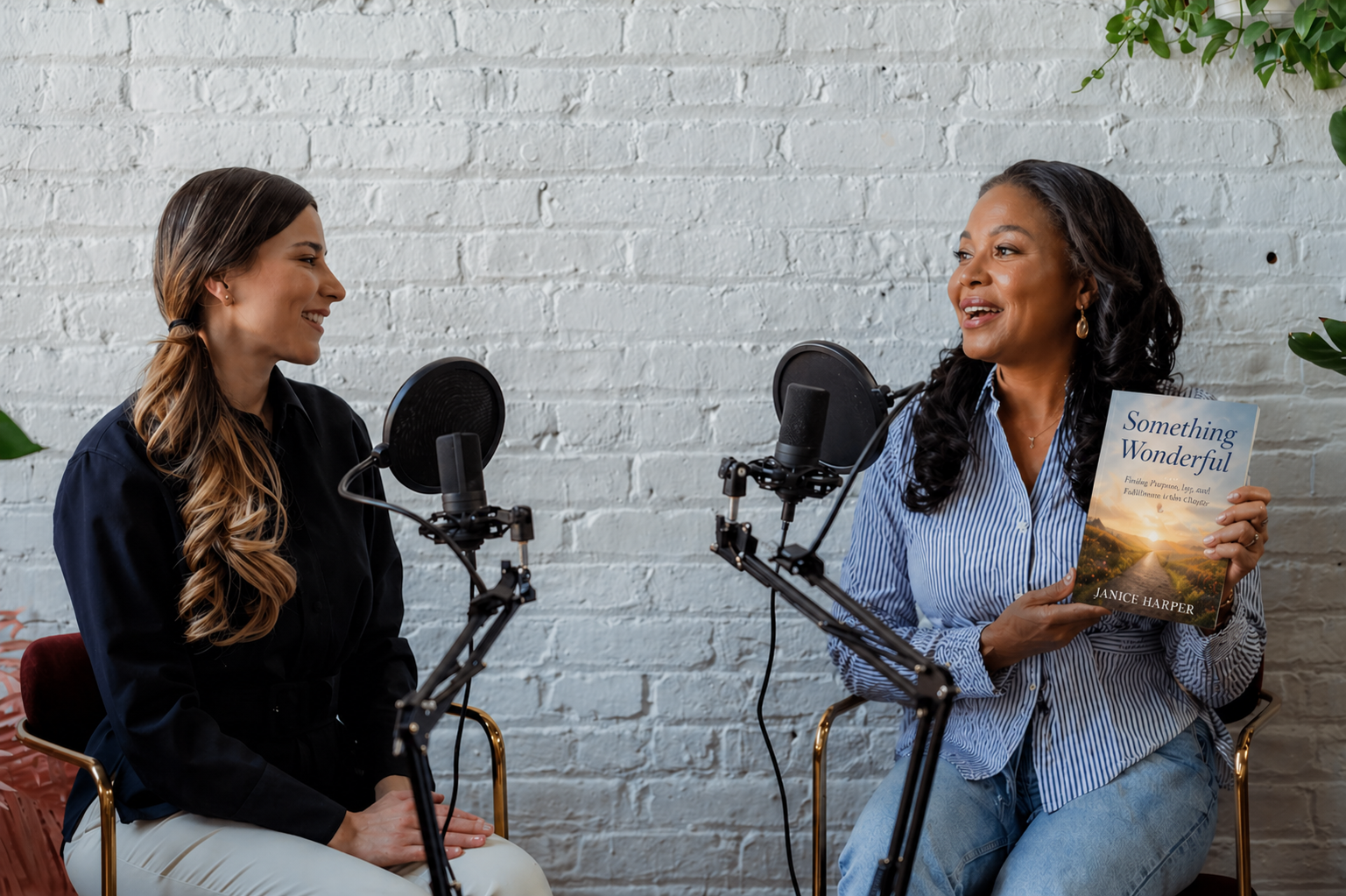
Podcast listeners are highly engaged. Drive them to a free resource rather than a sales page; once subscribed, you can promote your book without paid ads through that relationship. Align your offer with your story. When your origin moment and free resource are in sync, the call-to-action feels like a natural progression that drives conversions without pressure.
Why Consistency Is What Actually Builds the Brand
Avoid the mistake of treating podcast appearances as standalone events; instead, maintain a consistent core origin story that compounds over time. While you can adapt your tone, keeping your narrative recognizable ensures people remember you by name. This approach allows you to use social media strategically to promote your book by feeding clips and quotes from your appearances back into your channels to build your brand.
If short-form video is part of that strategy, the Viral Video Blueprint can help you turn podcast clips and author stories into content that builds attention around your book.
When you're ready to build a real strategy around your podcast appearances, book a strategy call with the FTS Growth Studio team to map out an approach built around your book, your brand, and the audience you're actually trying to reach.
Authors who want more free resources can also explore FTS Pod’s ebook library, which includes guides on authentic content, podcast monetization, AI visibility, and growth strategy.
Conclusion
Successful author branding on podcasts isn't about accolades but about sharing a relatable journey through the origin moment, bridge, and proof framework. Consistent, thoughtful storytelling prioritizes human connection over mere promotion.
In the rare space of uninterrupted podcasting, building a brand requires honest storytelling that resonates with the right audience.


































.jpg)

.jpg)
.jpg)
.jpg)
.jpg)
.jpg)
















.webp)
.webp)

.webp)









.webp)




.jpg)


.webp)