

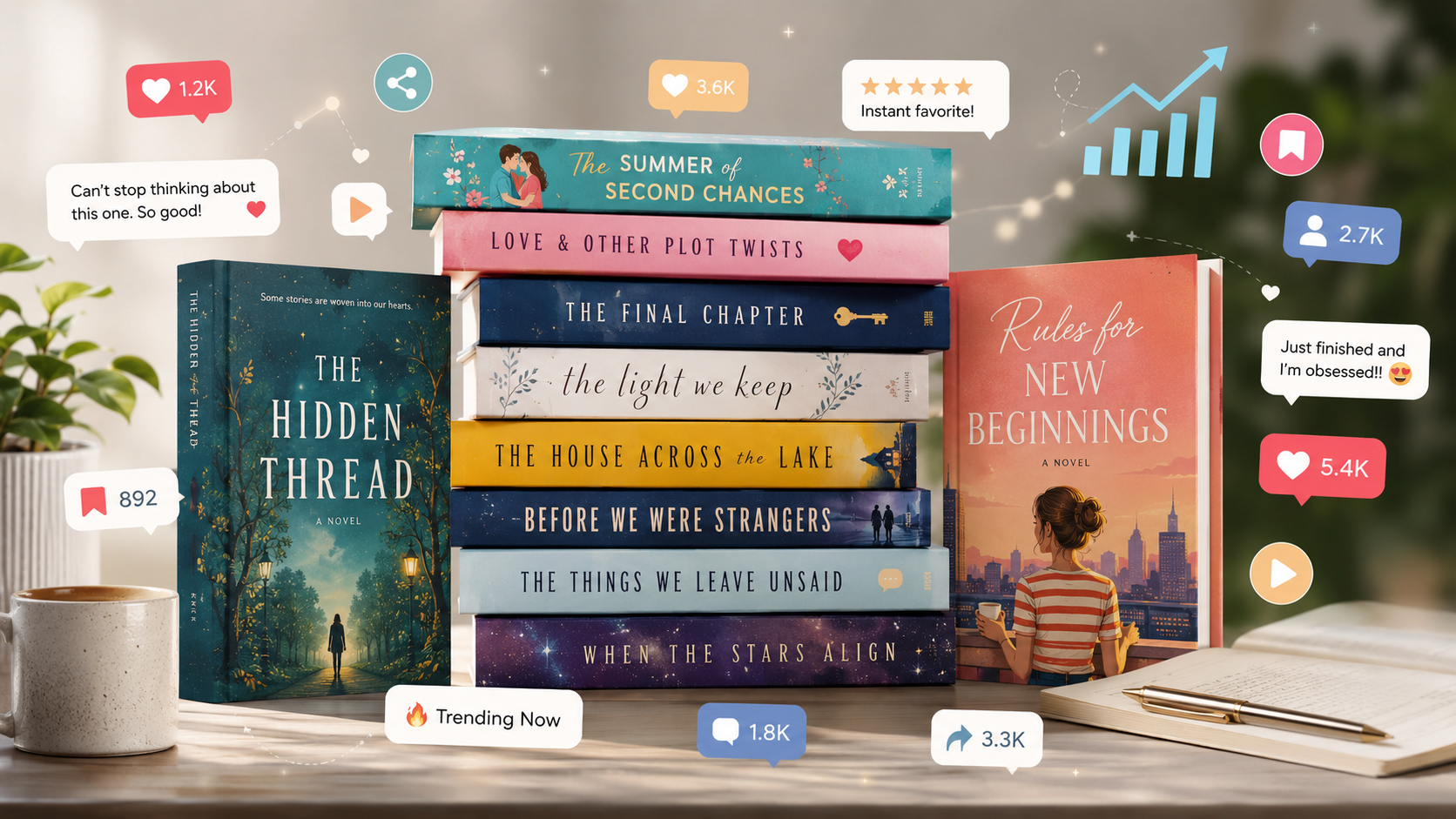
Publishing a book is one thing. Building a community around it is something else entirely. Most authors focus on the launch, put out a few posts, and then watch the engagement dry up within weeks. Those who actually grow loyal reader communities treat social media as an ongoing conversation, not a billboard.
Here's what that looks like in practice, and the specific social media engagement tactics that actually move the needle.
For authors shaping a stronger content voice, FTS Pod’s free ebook Creating Authentic Content in the Age of AI offers a practical framework for creating content that feels clear, human, and trustworthy.
Key Takeaways
- Consistent interaction, not just content posting, is what turns casual followers into loyal readers.
- Authors like Brandon Sanderson and Colleen Hoover built massive communities by being genuinely present on social media.
- Behind-the-scenes content and personal storytelling consistently outperform promotional posts.
- Asking questions and running polls invites participation that deepens reader investment in your work.
- Repurposing content across platforms extends reach without requiring you to create everything from scratch.
1. Show Up as a Person, Not Just an Author
Readers want to know the person behind the book. James Clear, author of Atomic Habits, grew his audience by sharing his thinking process and failures long before his launch. This transparency builds trust that curated headshots cannot match.
2. Ask Targeted Questions
Direct engagement is a powerful yet underutilized tactic. Instead of vague queries, ask for specific opinions. Colleen Hoover grows her fanbase by fostering genuine dialogue rather than just broadcasting announcements. Specific questions, such as asking which character a reader would dine with or what stories they want to see, require little effort from the audience but build strong connections.
3. Share Strategic Behind-the-Scenes Content
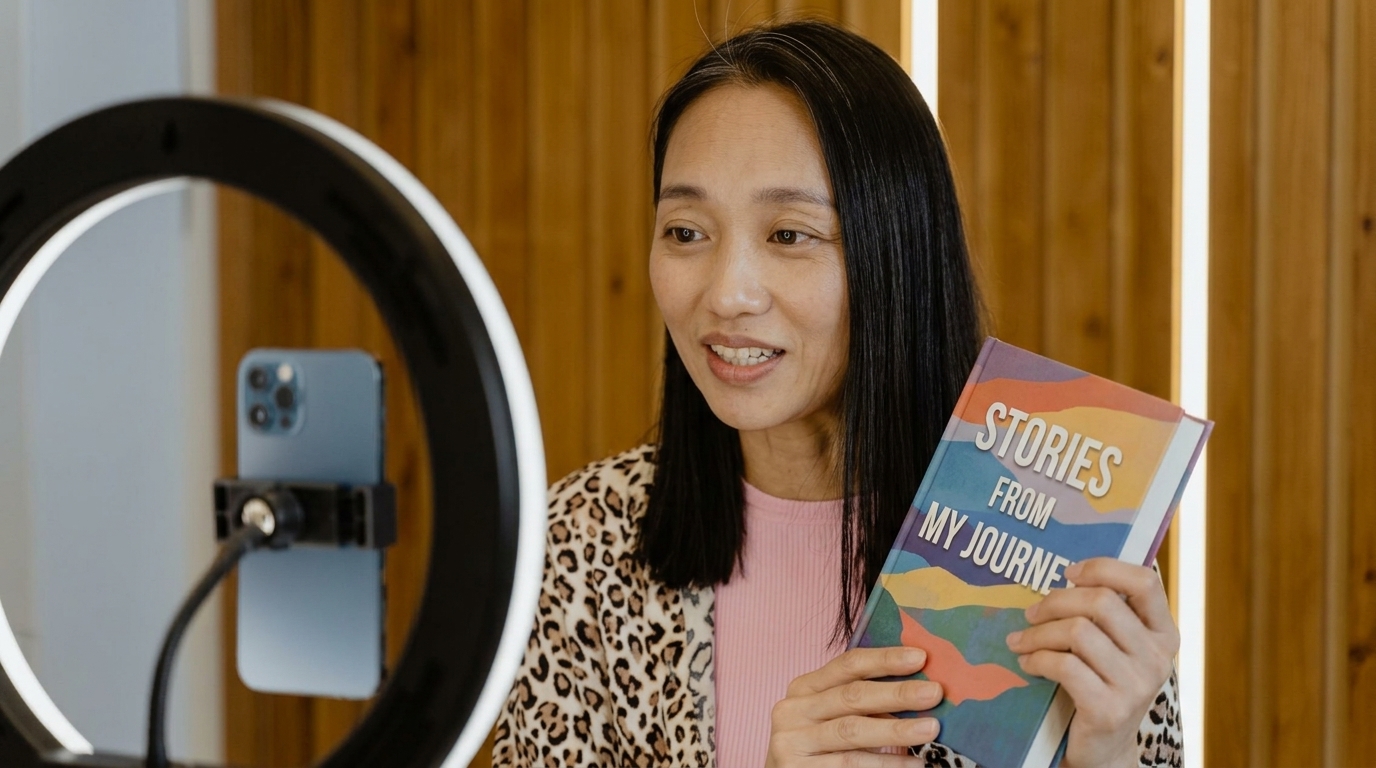
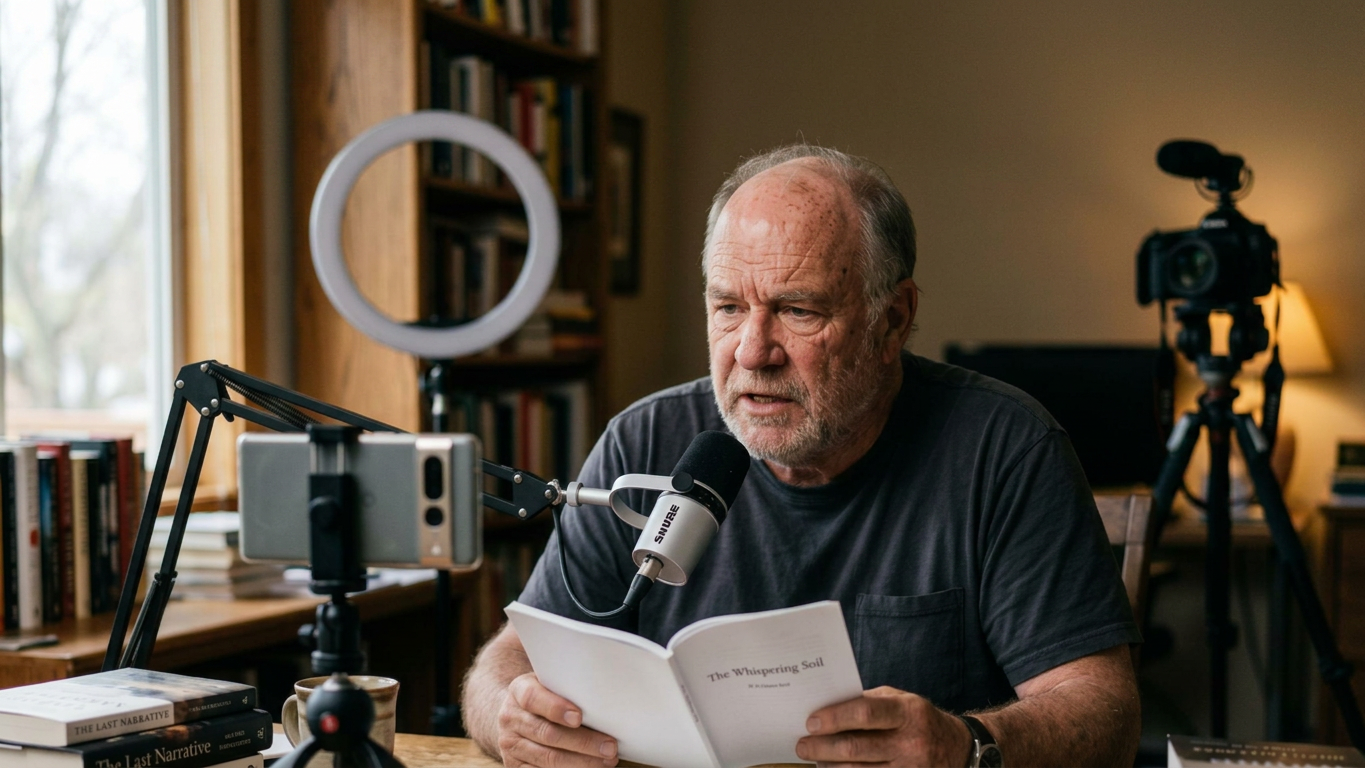
Readers value exclusive glimpses into the creative process, such as workspace photos, writing playlists, or research details. Brandon Sanderson uses his YouTube channel to share his writing philosophy, creating a highly engaged community. Authors can achieve similar results without professional crews by sharing simple phone photos or short videos of their work-in-progress to spark conversation.
The Author's Social Media Posting Schedule: What to Post, When, and Where
4. Build a Content Series Readers Can Follow
Isolated posts are easily overlooked, but a recurring series, such as weekly updates, book recommendations, or Q&As, gives readers a reason to return. Consistency is more important than the specific format.
This approach simplifies your planning by providing a predictable schedule. Such routines transform passive followers into an active community that regularly engages with your work.

5. Respond to Comments and Messages Consistently
Many authors overlook the importance of replying to comments. Even brief responses humanize your account and improve visibility via interaction-focused algorithms. Mel Robbins, for instance, attributes her loyal following to active responsiveness.
While you needn't reply indefinitely, early-stage consistency is high-leverage work that converts strangers into dedicated supporters.
If you want to take your social media presence further, the team at FTS Growth Studio specializes in viral video production and social media management that helps authors and creators build real audiences, not just follower counts.
If short-form video is part of your community-building plan, the Viral Video Blueprint can help you turn author ideas into content that builds attention around your work.
6. Collaborate With Other Authors and Creators
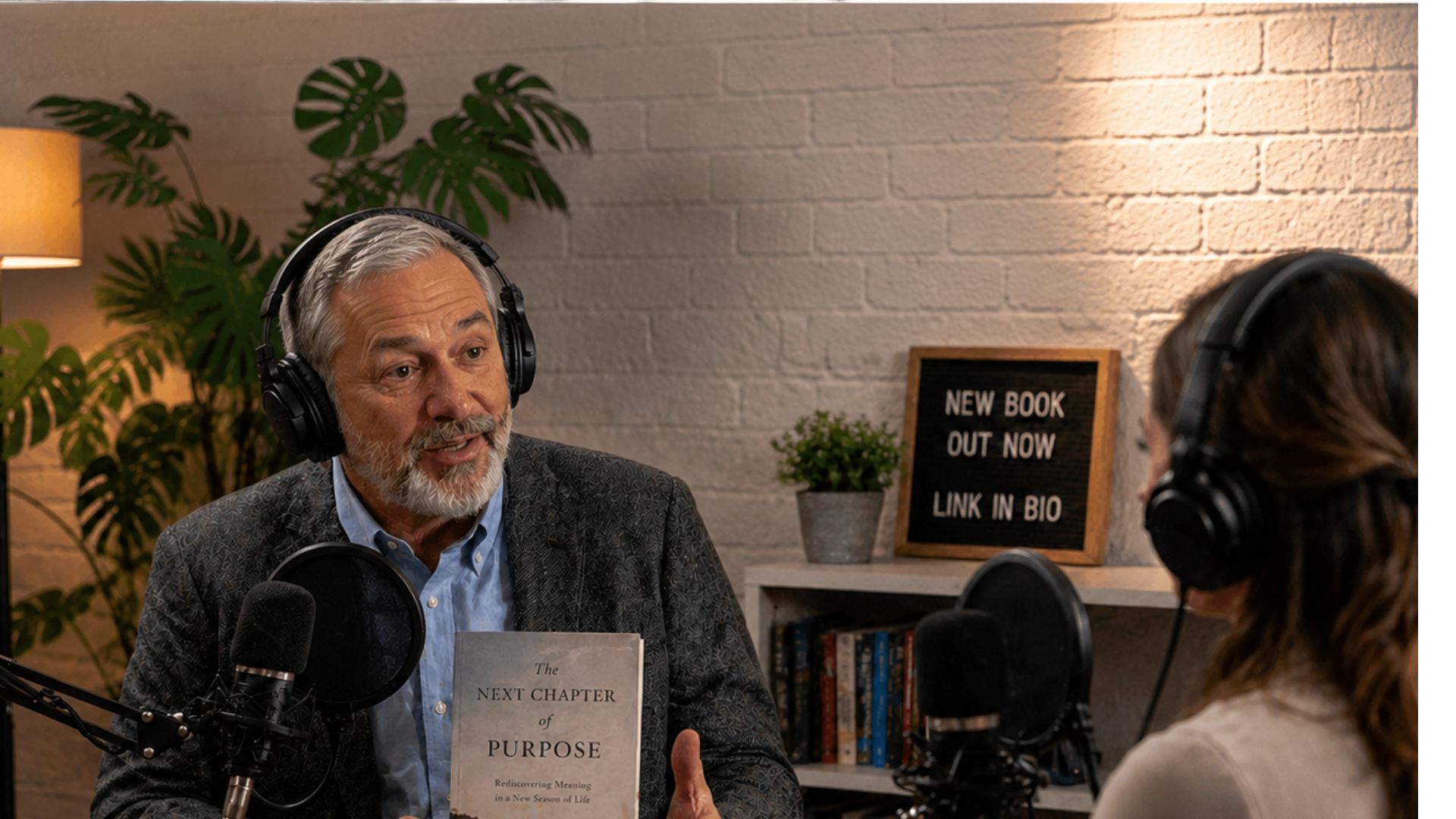
Cross-promotion is effective. Techniques like tagging authors, hosting Instagram Lives, or co-creating content introduce you to new audiences within genre communities where readers follow multiple similar authors.
Natural collaborations are essential. Genuine book recommendations or partnerships with respected peers build more reader trust than transactional shoutouts.
7. Repurpose Content Across Platforms
You don't have to start from scratch on every platform. A thread on X can become a carousel on Instagram. A short video on TikTok can be trimmed and posted to Reels. A quote from your book can become a standalone graphic. Repurposing isn't lazy; it's smart.
Repurposing also helps you figure out what resonates. If a specific post does well on one platform, adapting it for another gives you a second shot at reaching new readers with content that already proved itself.
8. Run Polls, Votes, and Reader Surveys
Polls drive engagement through minimal reader effort. By letting your community vote on covers, titles, or characters, you transform them into invested co-creators, boosting sales and word of mouth. This data is practical research, helping you align your writing and marketing with reader preferences.
The Engagement Formula That Powered 7 Six-Figure Book Launches
9. Create a Space That Belongs to Your Readers
Some authors take community-building off social media entirely, using newsletters, Discord servers, or private Facebook groups to give their most engaged readers a dedicated space. This approach removes the noise and algorithm unpredictability of public platforms and creates something more intimate.

10. Be Consistent, Not Just Active
Consistency outweighs occasional bursts of activity. Irregular posting confuses algorithms and reduces audience attention. A manageable schedule is more effective than an unsustainable, ambitious one.
Commit to a realistic frequency, such as three quality posts weekly, to build reliable expectations for your readers. Reliable presence fosters long-term loyalty.
Making Social Media Work for the Long Game
Building a reader community takes longer than building a follower count. The numbers that matter most aren't follows and likes but replies, shares, and the kind of messages that say 'your book changed something for me.' Those come from sustained, genuine engagement over time.
Before you go, if you're serious about scaling your content reach, FTS Pod has a detailed breakdown of what a social media manager actually does and whether bringing in professional help is the right move for your author business.
Authors who want more free resources can also explore FTS Pod’s ebook library, which includes guides on authentic content, podcast monetization, AI visibility, and growth strategy.
Conclusion
The authors who build lasting communities aren't the ones with the biggest marketing budgets. They're the ones who treat social media as a place to connect, not just broadcast. That means showing up regularly, asking real questions, sharing honest moments, and making readers feel like they're part of something. Start with one or two of these social media engagement tactics, do them consistently, and build from there. The community will follow.































.jpg)

.jpg)
.jpg)
.jpg)
.jpg)
.jpg)












.webp)
.webp)

.webp)








.webp)




.jpg)

.webp)