

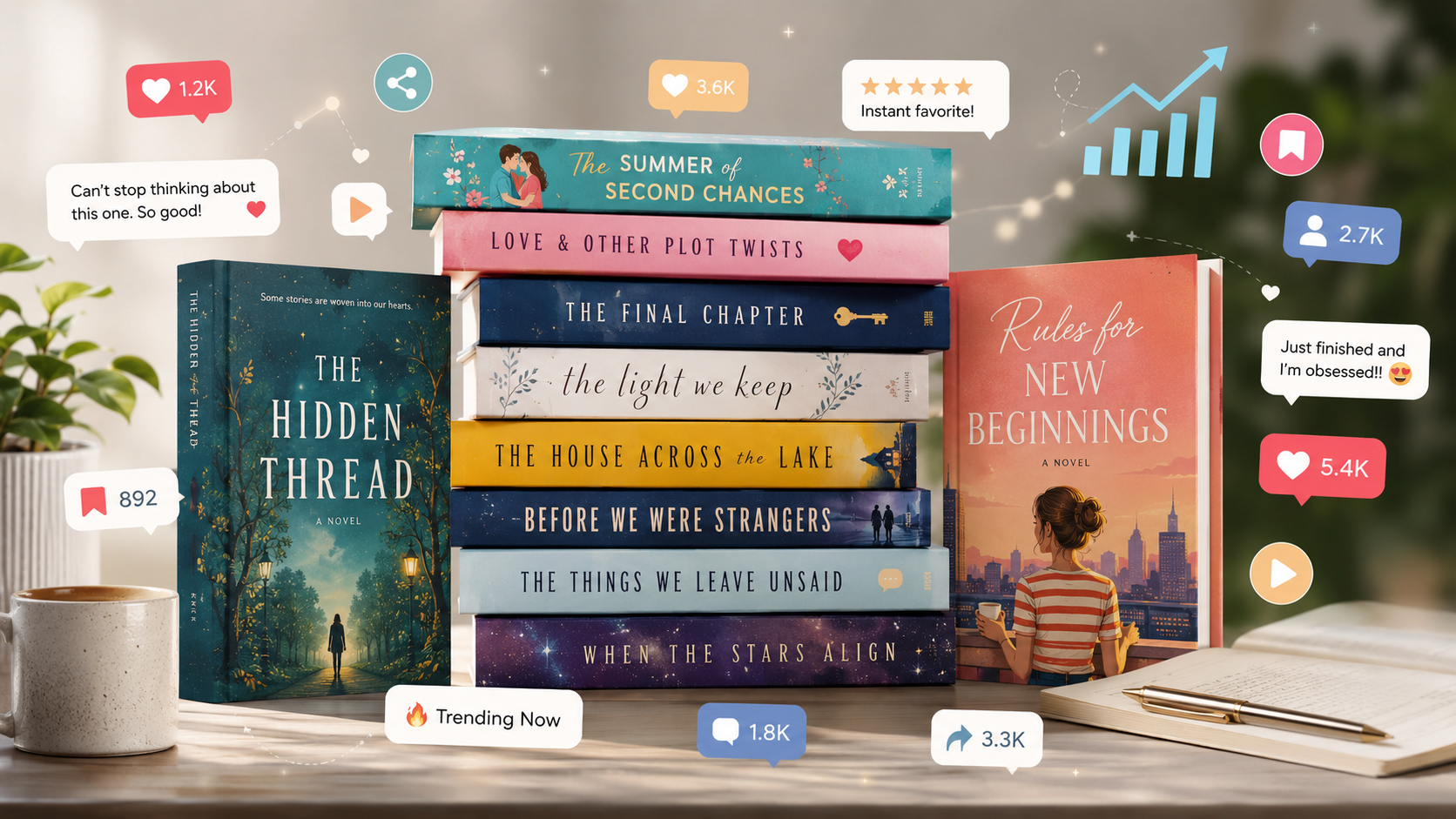
Most authors treat social media like a megaphone. They announce the book, post the cover reveal, share the Amazon link, and wonder why sales don't follow. But the authors behind seven consecutive six-figure book launches did something different. They didn't just broadcast. They built a loop, a repeatable process of knowing how to increase social media engagement during the most critical window of a launch. The results weren't accidental.
Key Takeaways
- Engagement during the launch window matters more than follower count when it comes to book sales.
- A consistent pre-launch content rhythm conditions your audience to expect and respond to your posts.
- Questions, polls, and behind-the-scenes content drive significantly higher interaction than promotional posts alone.
- Repurposing launch content across platforms extends reach without creating more work from scratch.
- Tracking engagement metrics weekly lets you adjust the strategy before momentum stalls.
Why Engagement Matters More Than Follower Count
A hundred genuinely engaged readers are worth more than ten thousand passive followers; for example, Colleen Hoover's success stemmed from an audience in the habit of responding to her, a habit that must be built before launch.
Understanding social media engagement rates for authors requires looking beyond likes to comments, shares, saves, and DMs. Algorithms reward this high-level engagement, driving organic reach and maximum visibility during the launch window.
The Author's Social Media Posting Schedule: What to Post, When, and Where
The 30-Day Content Loop That Runs Before and During Launch
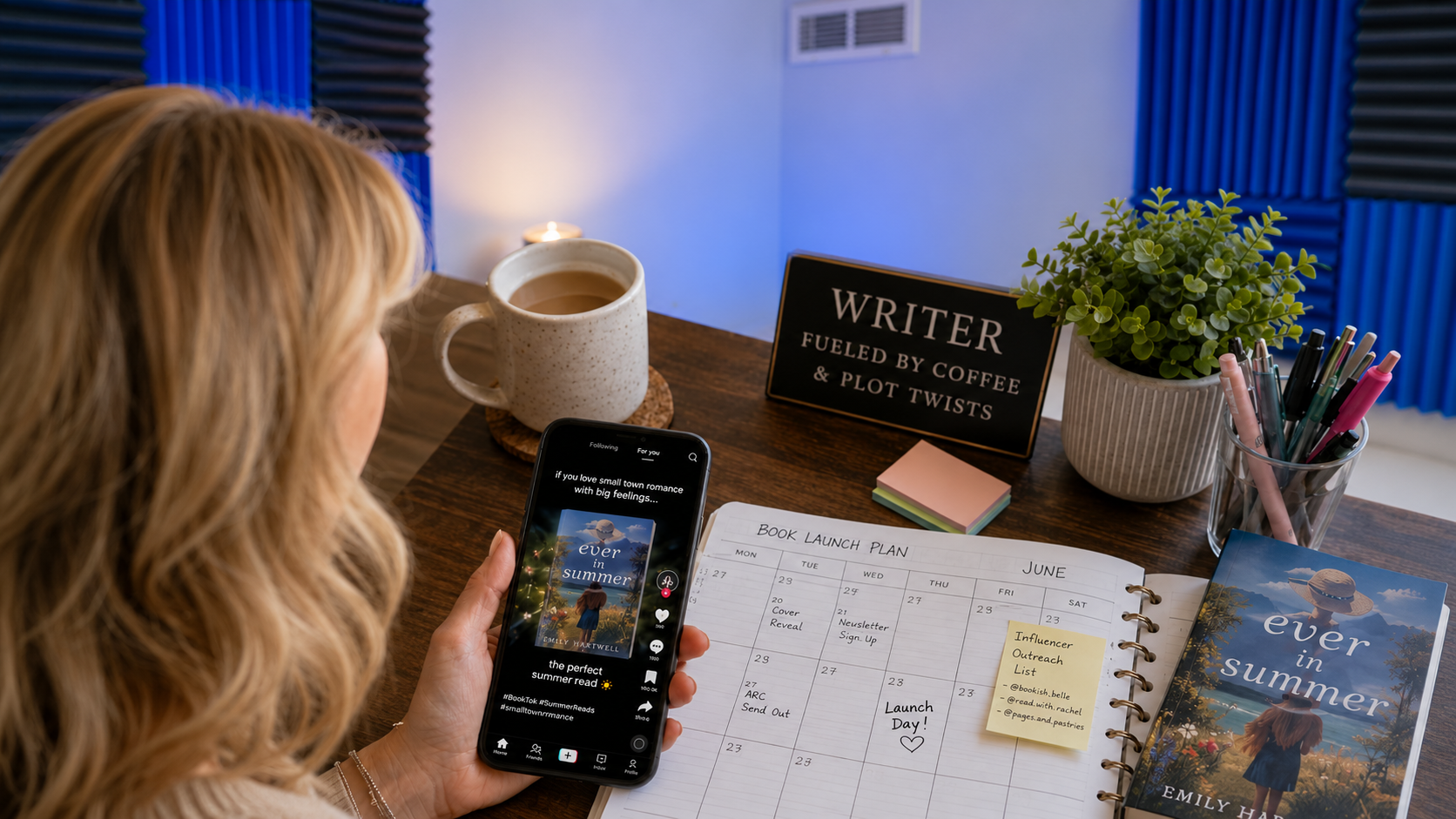
The authors who pull off six-figure launches don't wing it. They run what essentially functions as a content loop, starting four weeks out and accelerating through launch week itself. The structure isn't complicated, but it requires consistency. Think of it as warming up an audience instead of cold-pitching them.
Here's how the loop typically breaks down:
- Week 1: Share the story behind the book. Why did you write it? What were you afraid of? What surprised you? This is where personal branding strengthens book marketing, because readers who feel connected to you are primed to buy.
- Week 2: Introduce characters, themes, or chapter previews. Create curiosity without giving everything away. Ask your audience which theme resonates with them most.
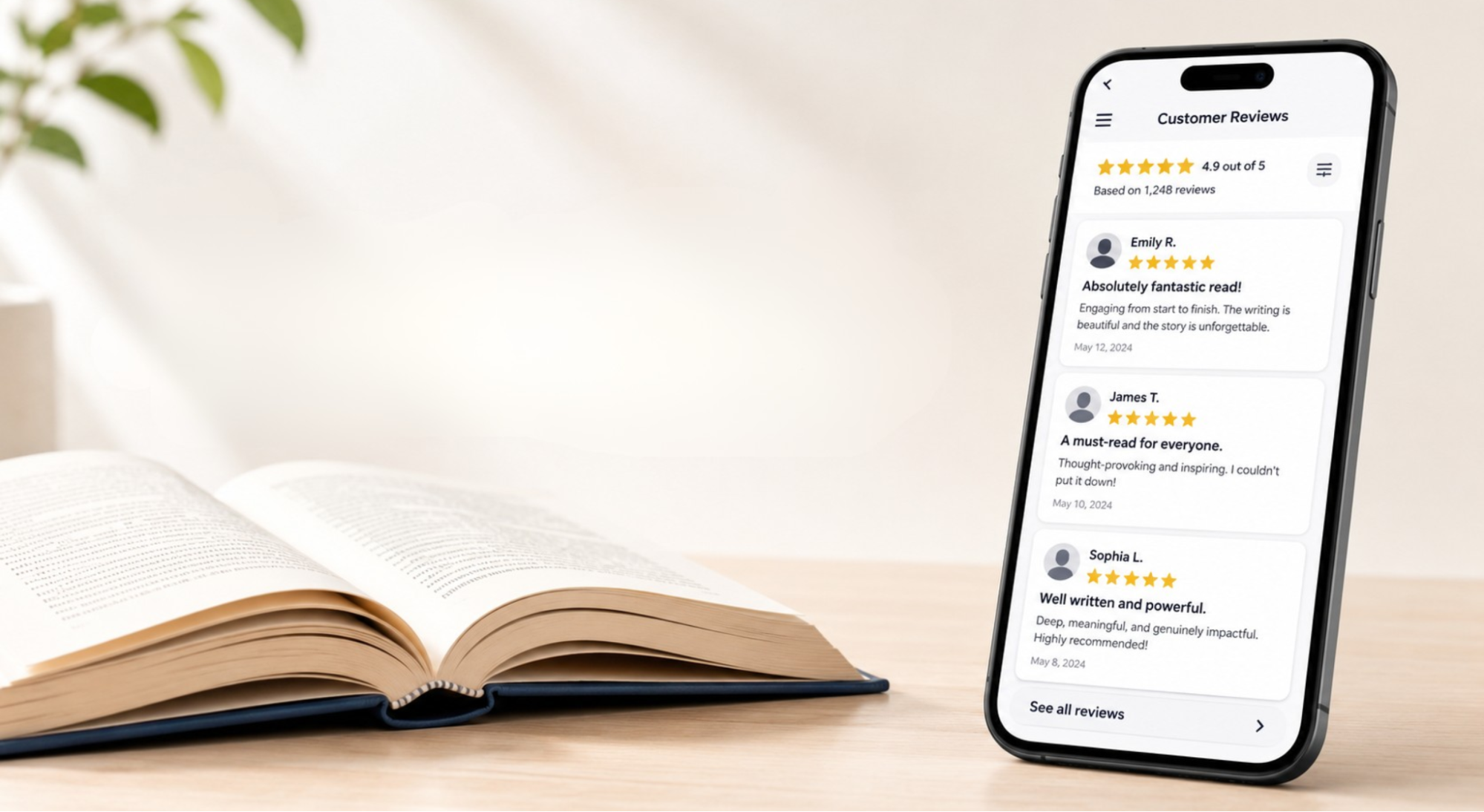
- Week 3: Activate your early readers. Share early reviews, DMs, or screenshots (with permission). Social proof from peers hits differently than praise from the author.
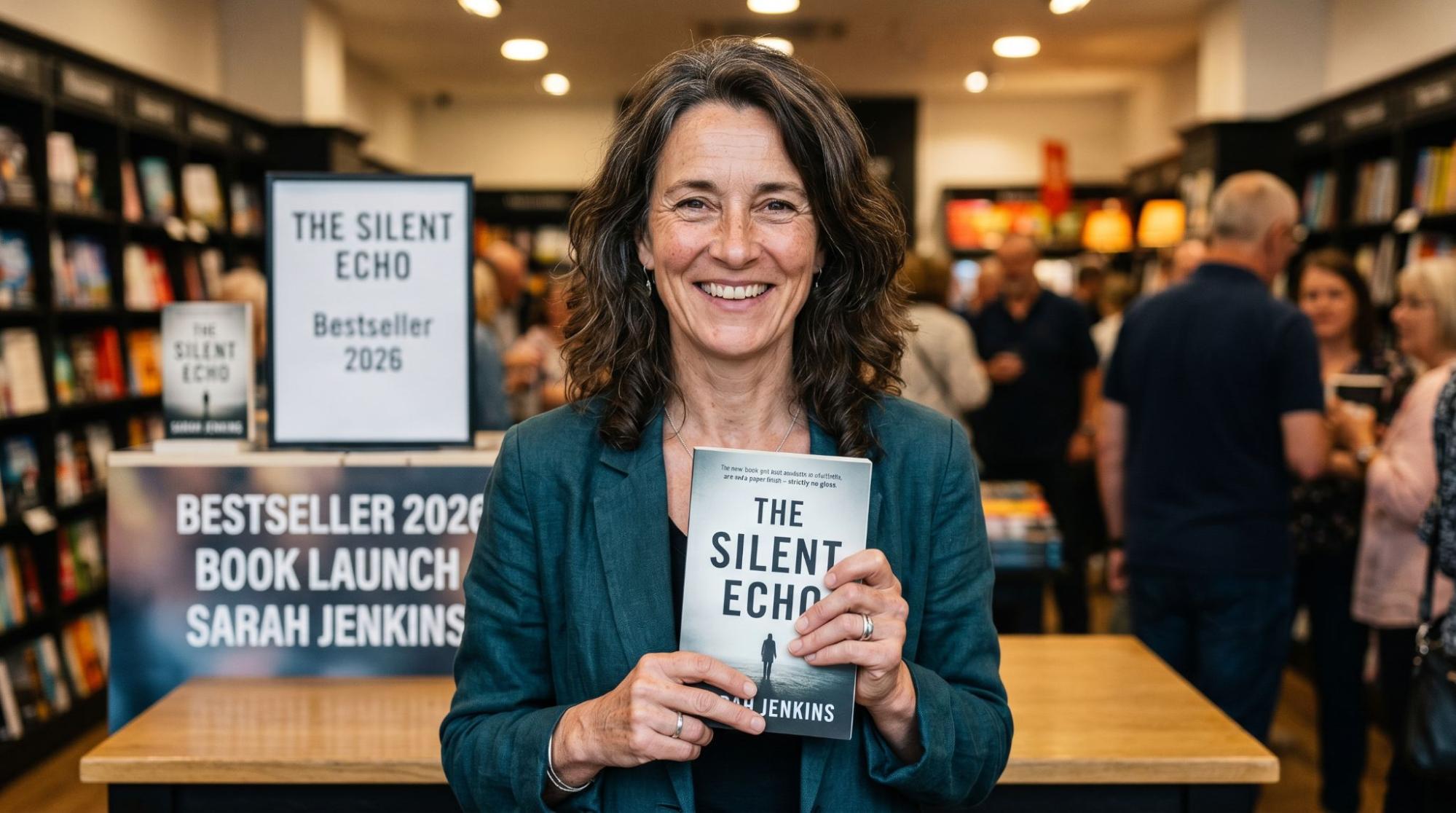
- Week 4 (launch week): Go all in. Post daily. Use stories, reels, lives, and written posts. Respond to every comment you possibly can.
-
This kind of structured rollout also lines up with what the instagram marketing guide for book launches recommends: build the habit early, so by the time you're asking people to buy, the conversation is already warm.
For authors shaping a stronger content voice before launch, FTS Pod’s free ebook Creating Authentic Content in the Age of AI offers a practical framework for creating content that feels clear, human, and trustworthy.
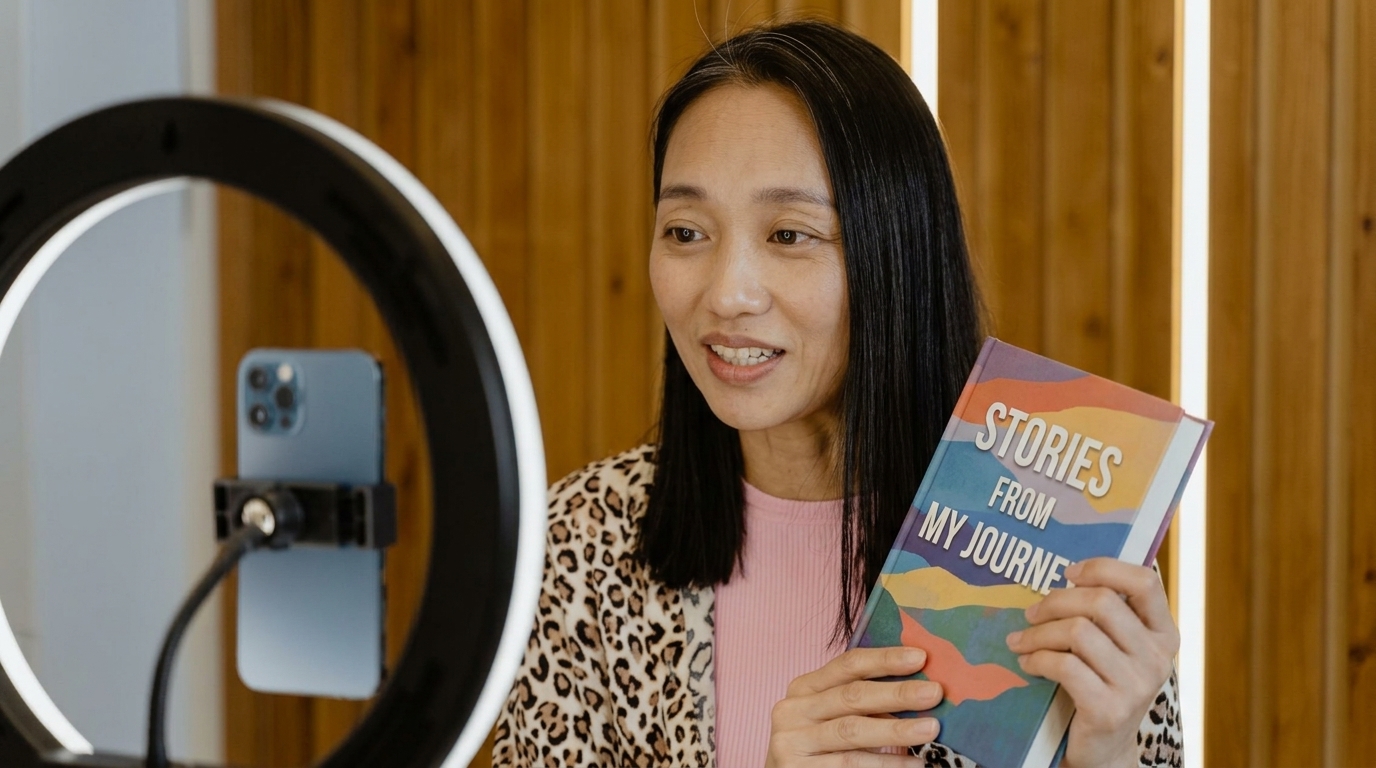
If creating consistent video content feels overwhelming during launch, FTS Growth Studio's viral video production service handles the heavy lifting so you can focus on connecting with your readers. If short-form video is part of your launch plan, the Viral Video Blueprint can help you turn author ideas into content that builds attention around your book.

The Content Types That Actually Drive Interaction
Not all content is created equal. Promotional posts, the "buy my book" variety, have the lowest engagement rates across the board. The types of content that actually spark conversation during a launch tend to fall into a few predictable buckets.
1. Questions and Polls
Interactive questions invite audiences into the launch process. Mel Robbins effectively uses theme-based questions to sustain discussion without heavy selling. Simple queries, like choosing between starting or finishing struggles, often generate hundreds of responses.
2. Behind-the-Scenes Content
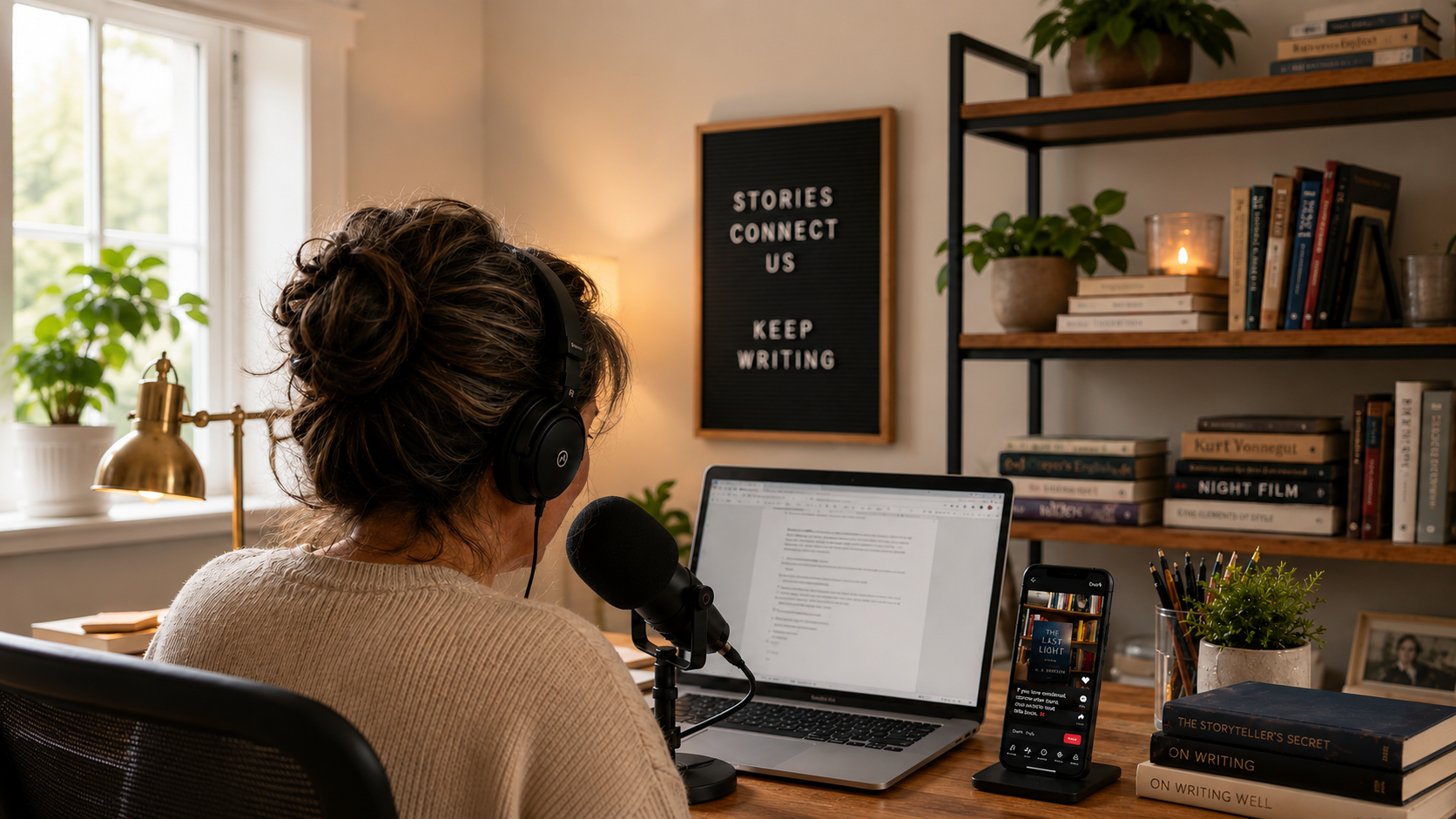
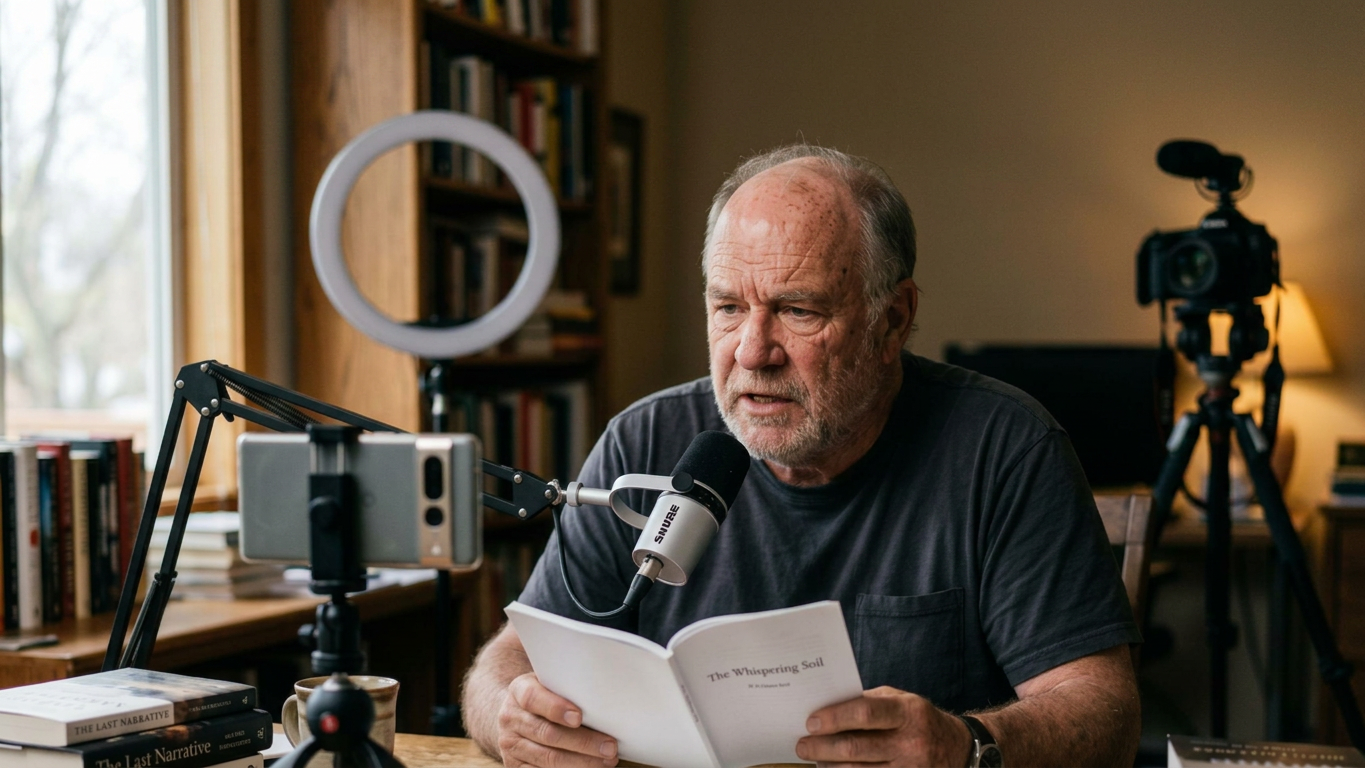
Showing the process, not just the polished result, builds trust. Authors who share editing notes, rejection letters, late-night writing sessions, or even the anxiety of launch day create a kind of intimacy that straightforward promotion can't replicate. This is also why becoming an influencer as an author involves more storytelling than selling. The persona matters as much as the product.
3. Reader-Generated Content
James Clear's Atomic Habits launch used reader-generated content to keep the book in circulation long after launch. Encouraging readers to share wins creates a simple prompt that effectively outsources part of your content strategy. This strategy overlaps with book marketing ideas every author needs, focusing on community-building and visibility.
Platform Strategy During the Launch Window
Successful launch strategies focus deeply on two or three platforms that align with the audience (e.g., Instagram/TikTok for visual content; LinkedIn/newsletter for business content). Applying social media strategies for writers specific to each platform is key for measurable reach.
Brandon Sanderson's campaign demonstrated that sustained, multi-channel engagement, like posting updates and engaging directly with backers, compounds results in ways a single viral post cannot.
Repurposing Content Without Burning Out
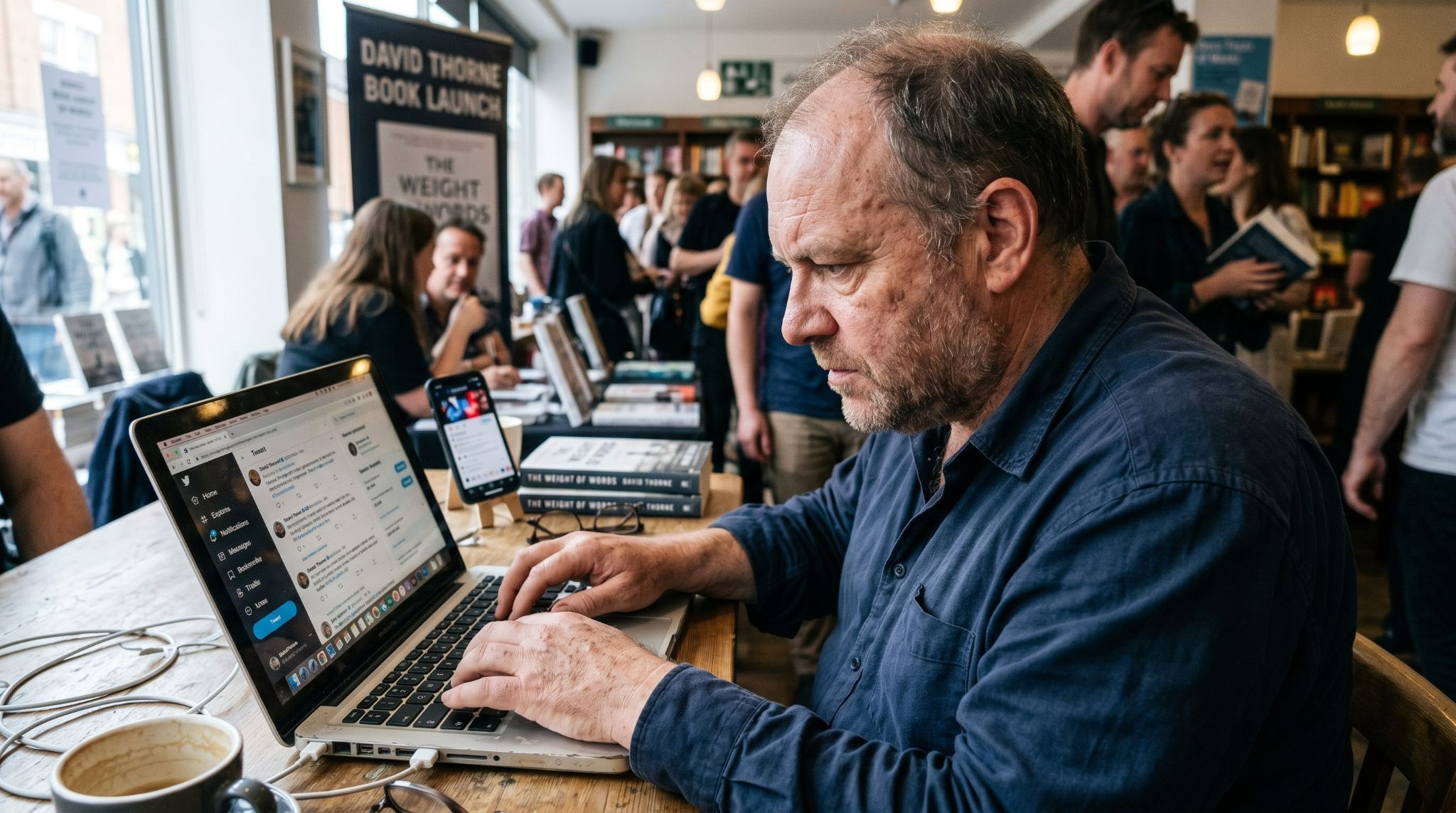
Avoid creating original content for every platform. Instead, adapt one idea, like a LinkedIn post, into multiple formats like Instagram captions or TikTok hooks to save time. Repurposing allows for sustainable engagement without burnout. It ensures you’re having the same conversation in different digital spaces while focusing energy on your book launch.
If you want help turning launch content into a clear, consistent system, download FTS Pod’s free ebook Creating Authentic Content in the Age of AI.
Tracking What's Actually Working
Monitor weekly metrics to see which content drives traffic. This data helps since personal branding strengthens book marketing by simplifying how you measure audience responses.
Increase engagement by focusing on audience preferences, like stories or polls. Watching data lets you adjust your strategy to what truly resonates during launch week. Authors who want more free resources can also explore FTS Pod’s ebook library, which includes guides on authentic content, podcast monetization, AI visibility, and growth strategy.
10 Social Media Engagement Tactics Authors Use to Build Reader Communities
The Formula Is Repeatable Because It's Built on Relationships
Seven six-figure launches don't share one magic post or a secret algorithm trick. They share a commitment to showing up consistently, listening to their audience, and treating engagement as a two-way conversation rather than a one-sided announcement. The formula works because it's built on trust, and trust compounds.
Start building that trust before your launch date. Know your platforms. Repurpose without exhausting yourself. Track what resonates and adjust. The authors who hit six figures didn't do everything perfectly. They did the engagement work consistently, and that made all the difference.




























.jpg)

.jpg)
.jpg)
.jpg)
.jpg)
.jpg)











.webp)
.webp)

.webp)






.webp)


.jpg)

.webp)