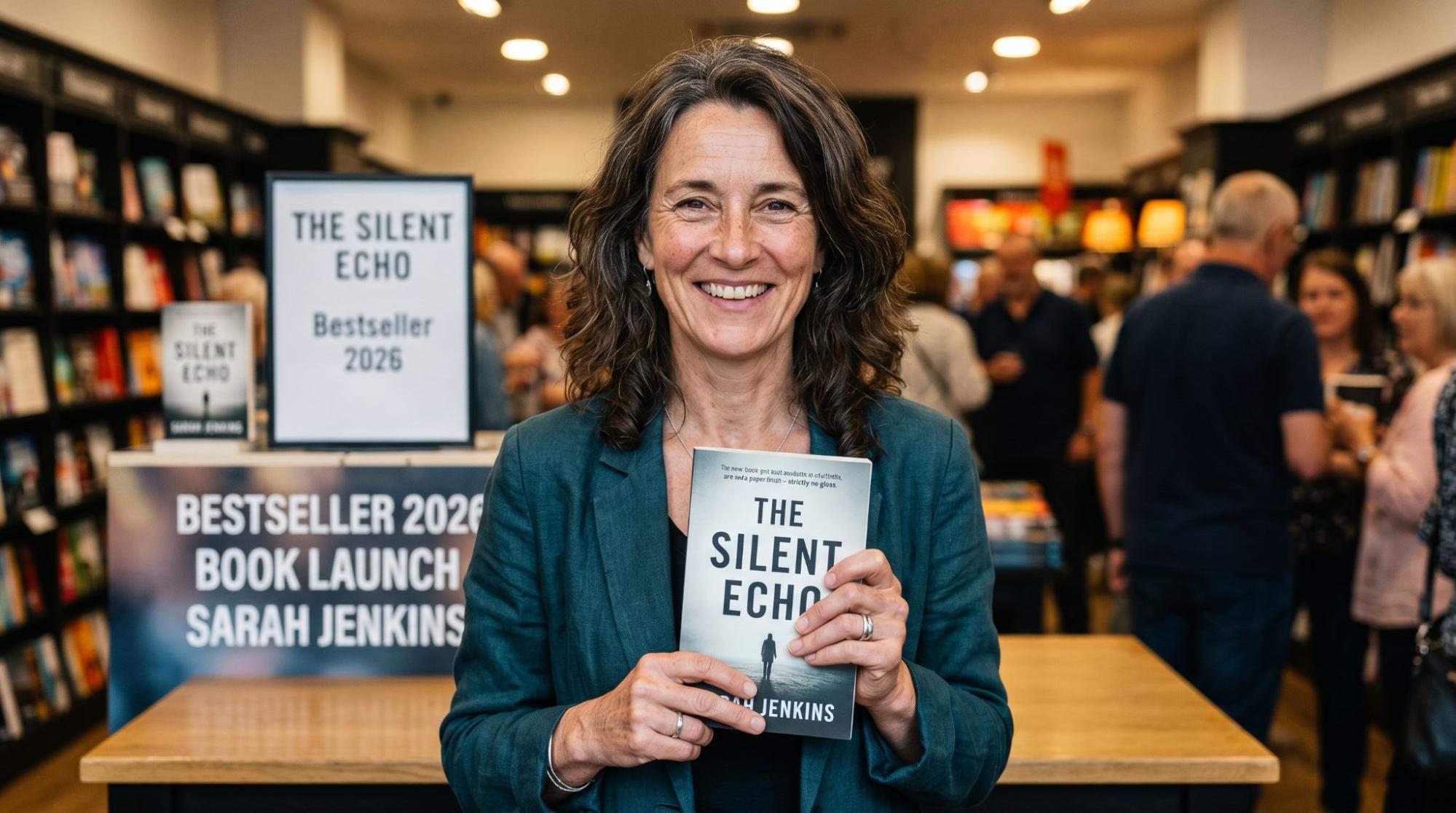
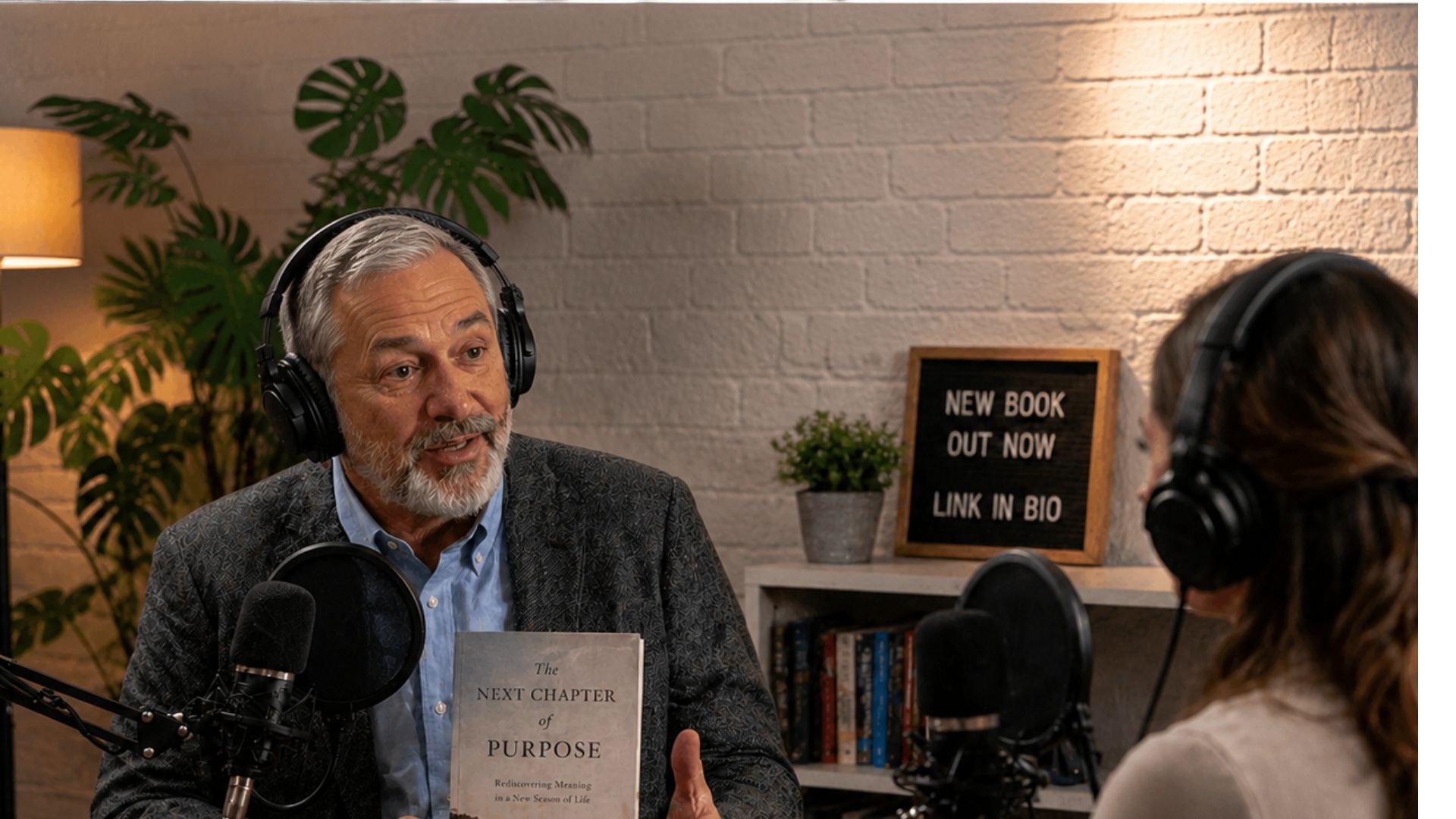
For nonfiction authors, LinkedIn can be a place to demonstrate the ideas behind a book before asking anyone to buy it. A consultant writing about management, for example, can show how a leadership principle works in an actual meeting. The most useful LinkedIn content best practices turn a book's expertise into conversations with people who might apply, recommend, or eventually purchase it.
Key Takeaways
- Write for a specific professional reader rather than everyone who could buy your book.
- Turn chapters into useful standalone ideas with real applications.
- Use examples and evidence to support your claims.
- Start conversations and respond thoughtfully instead of broadcasting promotions.
- Review relevant engagement and business outcomes before changing your approach.
1. Define the Professional Reader You Want to Reach
A nonfiction book may speak to several audiences, but each LinkedIn post needs one clear reader. An author writing about workplace burnout could address HR directors on Monday and managers on Thursday, using a different workplace problem for each. Trying to address both in every post makes the advice too broad to be actionable.
List three questions your ideal readers repeatedly ask, then match each to a chapter or concept. Your profile headline and About section should also explain the problems you help solve. This approach to author personal branding makes the connection between your book and your day-to-day expertise easier to understand.
2. Turn One Book Idea Into One Useful Post
Don't paste several paragraphs from a chapter and call it a post. Pick one argument, explain why it matters, and offer an example someone could use today. A finance author might turn a chapter about cash flow into a short explanation of why a profitable business can still struggle to pay bills.
Use a simple structure: describe a recognizable situation, share the insight, show how to apply it, and end with a genuine question when appropriate. A broader book social media plan can repurpose the same idea for different platforms, but a LinkedIn version should reflect professional decisions and workplace language.

3. Demonstrate Expertise With Evidence
Authority comes from showing how you reached a conclusion. If you advise executives, use a client situation you have permission to discuss, a published case study, or a clearly labeled hypothetical. Separate facts from your interpretation. Specific observations establish professional expertise more convincingly than repeated claims that you're an expert.
Consider James Clear's writing as a useful model of accessible nonfiction: each idea is understandable on its own, even for someone who hasn't read the book. Your version should be grounded in your own subject matter and evidence. Strong thought leadership explains a problem clearly enough that readers can make a better decision.
4. Apply LinkedIn Content Best Practices Across Formats
Text posts work for sharp arguments and short examples. A document carousel can break down a framework, while a short video can demonstrate a technique or answer a recurring question. Choose the format that helps the reader understand the idea, not the one receiving the most attention this week.
A practical LinkedIn content strategy starts with two or three repeatable formats. For example, publish a short observation, a documented example, and a response to a reader question each week. This mix gives followers variety without requiring a completely new production process. Test these LinkedIn content best practices against the questions your readers actually ask.
If producing original ideas consistently feels difficult, FTS Pod's Creating Authentic Content in the Age of AI offers a practical starting point for developing a recognizable voice rather than relying on generic drafted posts.
5. Write Openings That Promise a Specific Payoff
The first lines should tell readers which problem the post addresses. Instead of opening with 'Excited to share insights from my book,' try 'Three questions to ask before promoting your best employee into management.' The second opening gives the intended reader a reason to continue.
Keep the promise modest and deliver it quickly. Short paragraphs and plain language help, especially when readers are scanning on a phone. For LinkedIn book marketing, this usually works better than turning every post into an announcement about the book itself.
6. Treat Comments as Part of the Content
Publishing is only half the work. Reply when readers ask for clarification, challenge an assumption, or share a different experience. Good replies can reveal the next useful topic, while thoughtful comments on other professionals' posts introduce your expertise without an immediate sales pitch.
Ask questions that invite experience, not empty agreement. 'What part of onboarding slows your team down?' is more productive than 'Who agrees?' Then take note of the situations your readers describe. Those responses can guide future examples, speaking topics, and revisions to your message.

7. Measure Interest Beyond Likes
A post that attracts thousands of casual impressions may be less valuable than one that starts a conversation with a relevant editor, consultant, or potential reader. Track profile visits, useful comments, connection requests from your intended audience, newsletter signups, and book-page inquiries when you can attribute them.
Review your last month of posts and identify which subjects prompted substantive questions. Keep what works, adjust weak openings, and stop repeating topics that attract the wrong audience. A simple tracking sheet can show which LinkedIn content best practices attract the readers you want to reach. Your LinkedIn publishing routine should support clear professional outcomes, not a daily race for reaction counts.
Related: The Author's Social Media Posting Schedule: What to Post, When, and Where
If video is part of your publishing mix, the FTS Pod Viral Video Blueprint can help you build clearer hooks and structure short clips around one useful idea, rather than simply cutting random moments from longer talks.
Related: What Makes for a Good Post on Social Media
Build Authority Through Consistency, Not Constant Promotion
Nonfiction authors don't need to sell their books in every update. They need to make their ideas useful to people facing real decisions. Start with a defined audience, publish examples you can support, and pay attention to the conversations that follow. Applied consistently, LinkedIn content best practices help readers recognize the person behind the book as a credible source.